
Advice
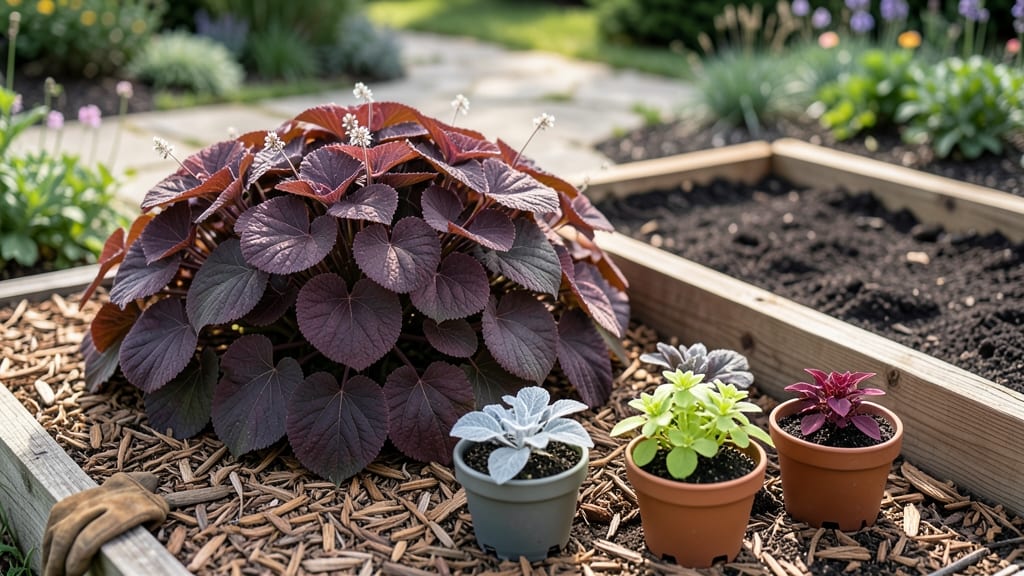
High Country Gardens Nursery specializes in plants suited for USDA Planting Zones 4-9, with frost-free periods ranging from late April to early June in colder regions like Zone 4, to October in warmer climates like Zone 9. Their drought-resistant and cold-hardy selections ensure thriving gardens when planted at the right time.
Understanding High Country Gardens Nursery's focus on USDA Zones 4-9 helps gardeners choose plants that match their local climate. 🌱 Their expertise lies in curating drought-tolerant varieties that handle both cold snaps and intense heat, making them ideal for regions with dramatic seasonal shifts.
For instance, their penstemon and yarrow selections thrive in high-altitude gardens where temperatures fluctuate wildly—something standard nurseries often overlook.
What sets High Country Gardens apart is their attention to microclimates and elevation adjustments. A Zone 5 garden in Colorado might need plants that tolerate 100°F days and -20°F nights, while a similar zone in the Pacific Northwest could focus on shade-tolerant options.
Their planting guides account for these nuances, helping you avoid costly mistakes like transplanting too early or choosing heat-sensitive species for hotter microclimates.
💡 In This Article
- How High Country Gardens Matches Plants to USDA Zones
- Calculating Your Local Frost-Free Dates for High Country Gardens Success
How High Country Gardens matches plants to USDA zones
High Country Gardens curates plants specifically bred or selected for extreme conditions found in USDA Zones 4-9. Their catalog prioritizes drought-tolerant perennials like Russian sage (Perovskia atriplicifolia), which thrives on just 10 inches of annual rainfall—ideal for Zone 5's dry summers.
For colder regions (Zone 4), they feature cold-hardy coneflowers (Echinacea) that survive -30°F winters, while Zone 9 selections focus on heat-resistant santolina (Santolina chamaecyparissus), which handles 110°F+ temperatures without wilting.
The nursery's elevation expertise shines in high-altitude zones where temperatures drop 5-10°F faster than at sea level. Their Rocky Mountain penstemon collections, for example, are tested at 6,000-8,000 feet elevations, where nighttime temps can plummet to 25°F even in summer.
This attention to altitude ensures plants won't suffer from "heat shock" when transplanted to mountain gardens. 🌿 The science behind their selections involves studying phenological cycles—how plants respond to seasonal light changes—which explains why their yarrow varieties bloom reliably even in short-growing seasons.
Microclimate matching is another key factor. A Zone 6 garden in Denver's urban heat islands might need shade-tolerant sedum, while a rural Zone 6 site could handle full-sun lavender.
High Country Gardens provides microclimate overlays on their zone maps, showing how urban pavement, bodies of water, or forest edges can create 3-5°F temperature variations within the same postal code. This precision helps gardeners avoid planting heat-loving salvias in north-facing urban pockets where temps stay 10°F cooler than south-facing yards.
What most gardeners overlook is how soil moisture retention varies by zone. Their Zone 4 plants often have thick, waxy leaves (like sedum) to prevent frost damage, while Zone 9 selections feature deep root systems (such as agave) to reach groundwater in dry summers.
The nursery's plant care guides even specify whether a variety needs mulch in Zone 5 (to protect from freeze-thaw cycles) or drip irrigation in Zone 8 (to prevent root rot from monsoon rains).
For gardeners in transition zones (like Zone 7b), High Country Gardens offers "bridge plants" that handle both cold snaps and summer heat. Take catmint (Nepeta), which they've bred to withstand -15°F winters while thriving in 95°F summers—a perfect match for areas with 30°F temperature swings between seasons.
Their color-coded zone tags on plant labels make this selection process effortless, showing at a glance whether a plant is Zone 4-8 or Zone 5-9 tolerant.
Beyond hardiness, High Country Gardens focuses on pollinator appeal within zones. Their Zone 6 bee balm (Monarda) varieties, for example, bloom from June to September, providing nectar when many other plants have finished.
This extended bloom time is crucial in shorter growing seasons (like Zone 4's 120-day summersseasonal bloom charts help gardeners create year-round interest by layering plants with staggered flowering periods.