
Planting
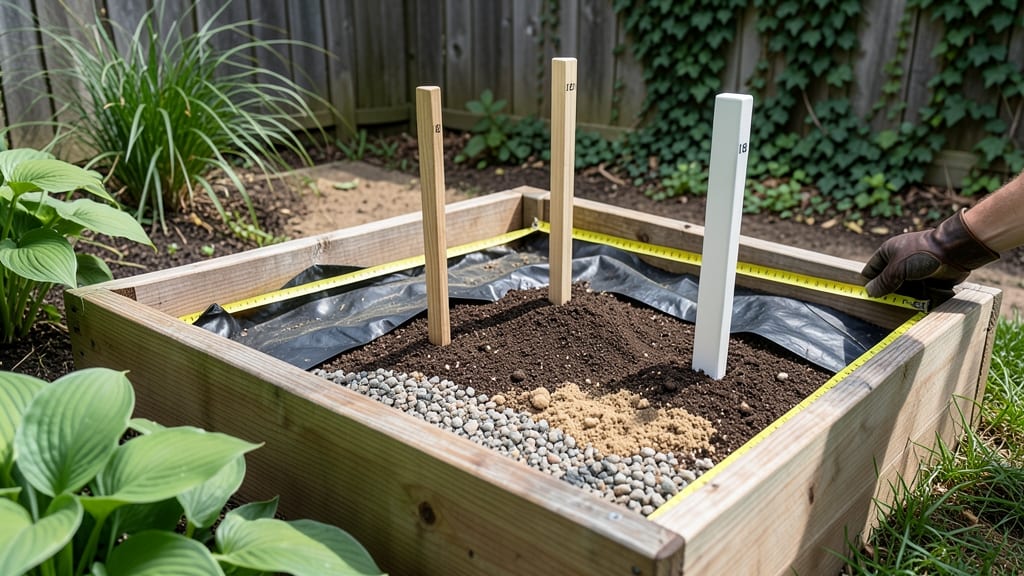
Ideal raised garden bed depth for different plant types
When planning your raised garden beds, depth isn't just a random measurement—it directly impacts root development and plant health. Most gardeners assume a one-size-fits-all approach, but different plants have specific soil depth requirements to thrive.
For example, carrots need at least 12 inches of loose soil to grow properly, while lettuce can thrive in just 6 inches. Understanding these needs helps you design beds that maximize growth potential while avoiding wasted space.
The minimum recommended depth for a standard raised bed is 6-12 inches, but this varies based on what you plan to grow.
Deeper beds (up to 18-24 inches) are ideal for root crops like potatoes and sweet potatoes, while shallow beds work perfectly for herbs and leafy greens.
The key is matching the bed depth to the root zone requirements of your chosen plants to ensure they have enough space to establish strong, healthy roots.
Here’s a quick breakdown of why depth matters: shallow beds can restrict root growth, leading to stunted plants and reduced yields. Meanwhile, overly deep beds may waste materials and increase maintenance. The solution? Customize your bed depth based on the plants you’re growing.
For instance, perennials like asparagus need deeper beds (18+ inches) to establish their extensive root systems, while annual flowers like marigolds can do well in just 6 inches.
For root crops, the 18-24 inch depth is non-negotiable. Plants like carrots and parsnips can grow up to 16 inches long, so shallow beds will leave them stunted and forked.
To achieve this depth, layer your bed with a mix of topsoil, compost, and organic matter like straw or leaf mold. Avoid compacting the soil—root crops need loose, aerated soil to grow straight and strong.
If you’re growing potatoes, aim for at least 18 inches of depth to accommodate their tuber development.
How to adjust raised bed depth for heavy or sandy soil conditions
Your soil type plays a critical role in determining the perfect raised bed depth. Heavy clay soil compacts easily, limiting root growth, while sandy soil drains too quickly, depriving plants of moisture. Adjusting your bed depth can transform these challenges into opportunities for healthier plants.
For clay-heavy soils, deeper beds (12-18 inches) allow roots to escape compaction, while sandy soils benefit from wider, shallower beds (6-10 inches) layered with organic matter. The key is balancing depth with soil amendments to create an ideal growing environment.
Adjusting Raised Bed Depth for Soil Types
Heavy Clay Soil
- ✅ Pros: Retains moisture longer
- ✅ Pros: Rich in nutrients
- ✅ Pros: Supports deep-rooted plants
- ❌ Cons: Prone to compaction
- ❌ Cons: Poor drainage
- ❌ Cons: Roots struggle to penetrate
Sandy Soil
- ✅ Pros: Excellent drainage
- ✅ Pros: Warms up quickly
- ✅ Pros: Low risk of waterlogging
- ❌ Cons: Poor nutrient retention
- ❌ Cons: Dries out rapidly
- ❌ Cons: Needs frequent watering
For clay soil, start by adding a 4-inch drainage layer of coarse sand or gravel at the bottom. Then, layer with compost and topsoil to create a loose, nutrient-rich environment. This approach mimics natural soil profiles while preventing compaction.
In sandy soils, focus on creating a wide, shallow bed filled with organic matter like composted leaves, straw, or coconut coir. These materials improve water retention while maintaining aeration. Aim for at least 30% organic content by volume to transform sandy soil into a fertile growing medium.
Always test your soil before building. A simple jar test (fill a jar with soil and water, then observe settling) reveals drainage issues. Adjust your bed design based on these findings—deeper beds for clay and layered beds for sand yield the best results.
Pro tip: Use cardboard or landscape fabric as a barrier between your bed and native soil to prevent contamination. This is especially helpful in areas with high clay content or compacted subsoil.