
Blooming
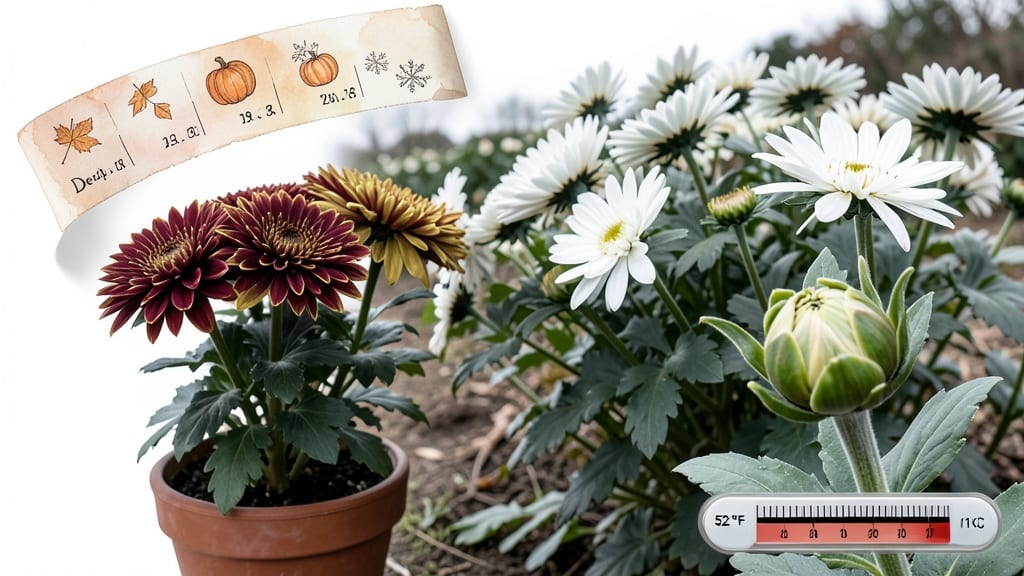
Garden mums planted in fall typically bloom for 4-6 weeks, from late September through November, but with the right care, their vibrant colors can last into early winter—or even spring in milder regions.
Garden mums are seasonal stars, but their bloom duration depends on temperature and light exposure. 🌸 In cooler climates, they often fade by December, while southern gardens may enjoy them into March.
The key to extending their lifespan lies in consistent watering and deadheading spent blooms—this encourages new flowers to form. I’ve seen mums last nearly twice as long when given these basics, especially in well-drained soil with morning sun and afternoon shade.
What many gardeners don’t realize is that mulching and fertilization play a huge role too. A light layer of mulch insulates roots from temperature swings, while a balanced fertilizer (like 10-10-10) applied mid-season can boost flower production.
Even in colder areas, proper winter protection—like wrapping pots or adding extra mulch—can surprise you with reblooms when spring arrives.
💡 In This Article
- Factors Influencing Garden Mum Longevity
- Pro Tips to Prolong Garden Mum Blooms
Factors influencing garden mum longevity
Garden mums thrive on a delicate balance of environmental conditions, with temperature being the most critical factor. These hardy perennials (often treated as annuals) enter dormancy when nighttime temperatures drop below 40°F. In zones 7-9, they may survive winter and rebloom, while in colder regions, frost triggers their decline.
The transition from summer to fall also matters—gradual temperature drops (rather than sudden freezes) help them transition more smoothly into their blooming phase.
Sunlight exposure directly impacts bloom duration and color vibrancy. Garden mums need 6-8 hours of direct sunlight daily to produce their signature flowers, but afternoon shade prevents wilting in hot climates. Too little light results in sparse blooms, while excessive heat can cause buds to dry out before opening.
The ideal scenario is morning sun paired with afternoon shade, which mimics their natural habitat in mountainous regions where they grow wild.
Soil conditions create the foundation for longevity. These plants prefer well-draining soil with a pH between 6.0 and 6.5, which prevents root rot while providing essential nutrients. Clay-heavy soils should be amended with compost or sand to improve aeration.
Interestingly, slightly acidic soil (pH 5.5-6.0) enhances the intensity of red and purple blooms, while neutral soil (pH 6.5-7.0) brings out brighter yellows and whites. 🌿 The root system must stay consistently moist but never waterlogged—overwatering triggers fungal diseases that shorten bloom cycles.
Watering habits play a surprising role in extending blooms. Deep watering 2-3 times per week (depending on rainfall) encourages stronger root development, while surface watering leads to shallow roots that struggle in dry spells.
A good test is to check soil moisture 2 inches below the surface—if it's dry, it's time to water. Overhead watering in the evening can promote mildew, so morning watering is ideal. In drought-prone areas, mulching with 2-3 inches of organic matter retains moisture and regulates soil temperature.
The cold hardiness of different mum varieties creates significant variations in bloom duration. Hardy garden mums (like 'Autumn Joy' or 'Pembroke') can withstand temperatures down to 15°F when properly mulched, while tender varieties may fade by 32°F.
The key difference lies in their genetic adaptation—hardy types store more carbohydrates in their roots during summer, providing energy for early spring regrowth. This is why gardeners in colder zones often choose hardy varieties specifically for extended fall color.
Light intensity also affects bloom timing. In northern latitudes, mums may bloom 2-3 weeks later than in southern climates due to shorter daylight hours. The plant's internal clock (photoperiodism) triggers flowering when daylight decreases below 12 hours.
This is why garden mums planted in late summer often bloom earlier than those started from seed—established plants have already undergone this light-sensitive transition. Understanding this helps gardeners time their plantings for maximum seasonal impact.