
Light Requirements
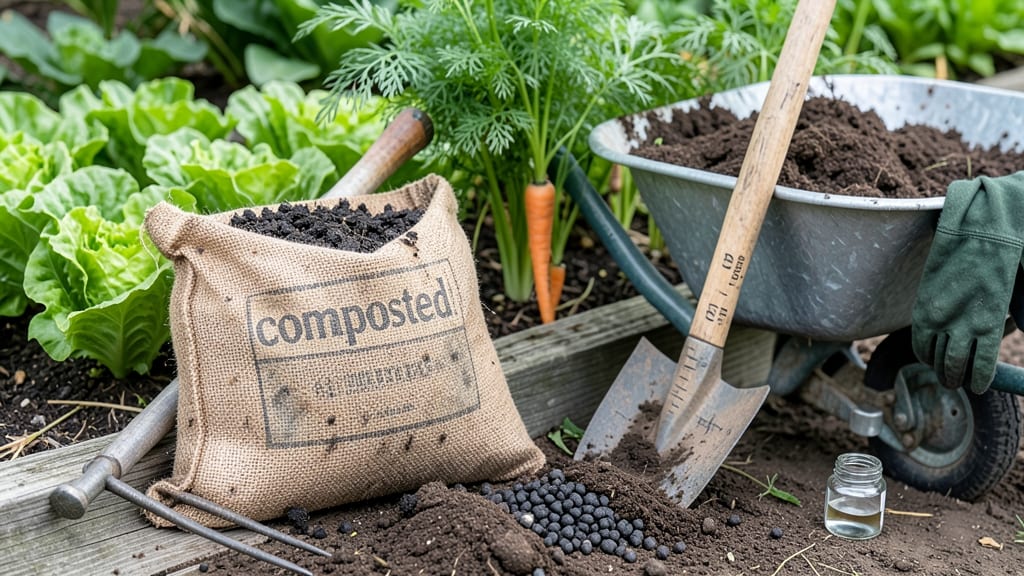
To determine how much manure for garden use, spread 1–2 inches of well-aged composted manure per 100 square feet for most vegetables, increase to 3–4 inches for heavy feeders like corn, and always keep it 6+ inches away from plant stems to prevent burning. Always test your soil first to adjust nutrient levels properly.
Manure is a powerhouse nutrient, but using too much can harm your plants just as much as using too little. 🌱 The key lies in understanding your soil's current state and the specific needs of what you're growing.
For example, leafy greens like lettuce thrive with just 1 inch of manure spread lightly, while nitrogen-hungry plants like tomatoes or peppers may need up to 2.5 inches when mixed into the soil.
Fresh manure is a no-go—it must compost for at least 6 months to break down pathogens and stabilize nutrients, or you risk burning roots and attracting pests.
What's often overlooked is the timing: spring applications work best for cool-season crops, while summer additions should focus on heavy feeders preparing for fall harvests.
I always recommend working a thin layer into the top 4–6 inches of soil rather than piling it on the surface, which helps prevent nutrient runoff and ensures even distribution. For organic gardeners, consider blending manure with compost to balance nitrogen levels and improve soil structure over time.
💡 In This Article
- Manure Application Ratios by Plant Type
- Safety Rules for Manure Use in Gardens
Manure application ratios by plant type
Manure isn't a one-size-fits-all fertilizer—different plants have wildly varying nutrient needs. Leafy greens like spinach or kale only require ½ to 1 inch of well-aged manure per 100 square feet because they're light feeders that prioritize rapid growth over heavy fruiting.
The nitrogen in manure fuels their leaf production, but too much causes them to bolt (flower prematurely) or develop bitter flavors.
In contrast, heavy nitrogen consumers like tomatoes or peppers need 1.5 to 2.5 inches when worked into the soil before planting, as they demand consistent nitrogen throughout their growth cycle.
Fruit-bearing plants and corn take it even further: these nitrogen-hungry crops thrive with 3 to 4 inches of manure spread over their growing area, especially when planted in spring.
The key here is timing—apply the bulk of the manure 4 to 6 weeks before planting so the nutrients have time to stabilize in the soil.
For example, a 100-square-foot corn patch might need 3.5 inches of composted horse or cow manure, while a strawberry bed only requires 1 inch annually to prevent over-fertilization, which can lead to excessive foliage at the expense of fruit production.
Flowering plants and lawns have different priorities. Perennials like roses or daylilies benefit from 2 inches of manure in early spring, while annuals like marigolds or sunflowers do well with just 1 inch to avoid overwhelming their root systems.
Lawns are the most forgiving—they can handle ½ to 1 inch spread evenly across the surface, but avoid fresh manure, which can burn grass blades and attract pests like flies.
The texture matters too: finer manures like chicken or rabbit break down quickly, while coarse options like horse or cow require more time to decompose.
Seasonal adjustments are critical. Spring applications work best for cool-season crops like broccoli or carrots, while summer additions should focus on heat-loving plants like peppers or eggplants.
The soil's moisture level plays a role too—dry soils need manure mixed deeper (6 inches) to prevent nutrient loss, while moist soils benefit from surface applications that decompose more evenly.
For example, a 1-inch layer in dry soil may only provide half the nutrients of the same amount in moist conditions.
Don't overlook the role of manure blends. A 50/50 mix of manure and compost creates a balanced fertilizer that releases nutrients gradually, reducing the risk of over-fertilization.
For instance, mixing 1.5 inches of cow manure with 1.5 inches of compost per 100 square feet gives tomatoes a steady nitrogen supply without the risk of salt buildup. The compost also improves soil structure, helping roots access nutrients more efficiently.
Pro tip: Always work manure into the top 4–6 inches of soil rather than leaving it on the surface. This prevents nutrient runoff during rain and ensures roots can access the full spectrum of nutrients.
For container gardens, reduce ratios by half—½ inch per 100 square feet of pot area—since potted plants have limited root zones and are more susceptible to over-fertilization.
Here's a quick reference for common plants:
- Light feeders (lettuce, herbs, carrots): ½ to 1 inch per 100 sq ft
- Moderate feeders (beans, cucumbers, peppers): 1.5 to 2 inches per 100 sq ft
- Heavy feeders (corn, tomatoes, squash): 3 to 4 inches per 100 sq ft
- Flowering plants (roses, marigolds): 1 to 2 inches annually
- Lawns: ½ to 1 inch spread evenly
Remember, these are starting points—always test your soil first to fine-tune the amounts based on existing nutrient levels. A simple soil test kit (available for $20–$30) can reveal whether your soil is nitrogen-deficient, phosphorus-heavy, or potassium-starved, helping you adjust ratios for optimal growth. 🌱