
Light Requirements
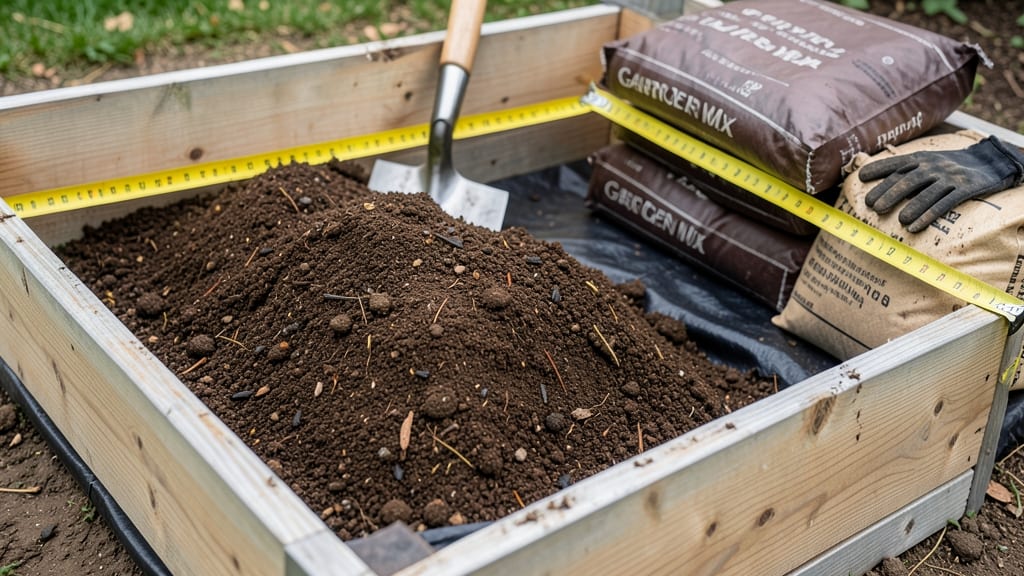
Filling a raised garden bed with the right amount of soil ensures your 🥬 General Vegetables thrive from the start—no guesswork, just science-backed measurements.
Picture this: you’ve spent hours building the perfect raised bed, only to realize halfway through planting that you’ve either wasted bags of soil or left your roots dangling in the air. That’s why nailing the depth and volume matters—it’s the difference between a bumper crop and a sad, stunted harvest.
Most General Vegetables need 6–12 inches of soil to stretch their roots comfortably, but the exact amount depends on your bed’s size and what you’re growing. Too little? Roots suffocate. Too much? You’re just digging a deeper hole (literally).
In this guide, I’ll walk you through calculating soil volume by bed dimensions, the best soil mixes for your plants, and how to avoid common mistakes—like overfilling or skimpiness—that leave your garden bed feeling half-baked.
Soil depth requirements by plant type: root systems explained
Understanding soil depth requirements is the first step to creating a thriving raised garden bed. Different plants have unique root systems that dictate how much space they need to flourish.
While most vegetables and herbs thrive in 6–12 inches of soil, some heavy feeders like potatoes and asparagus demand deeper beds to support their extensive roots. Let’s break down the science behind these needs so you can optimize your bed for success.
Shallow-rooted plants, such as lettuce, radishes, and herbs like basil and parsley, only need 4–6 inches of soil to establish strong roots. These plants focus their energy above ground, producing lush foliage or flavorful leaves.
On the other hand, deep-rooted vegetables like carrots, beets, and tomatoes require 12–18 inches of soil to prevent root binding and ensure a bountiful harvest. Ignoring these depth requirements can lead to stunted growth or even plant failure.
The key to a successful raised bed lies in matching the soil depth to the root zone of your plants. For example, asparagus crowns need 12–18 inches of loose, fertile soil to send up their signature spears year after year.
Meanwhile, potatoes thrive when planted in beds with 12+ inches of soil, allowing their tubers to expand freely underground. Even flowers like sunflowers and hollyhocks benefit from deeper soil to support their towering stems.
When planning your raised bed, consider the mix of plants you’ll grow. If you’re combining shallow-rooted herbs with deep-rooted vegetables, you’ll need to strike a balance.
For instance, dedicating one side of the bed to carrots (12+ inches) and the other to basil (6 inches) ensures both thrive without competing for space. Layering your soil with compost and organic matter also helps create a nutrient-rich environment that encourages root
How to calculate soil volume for your raised bed’s square footage
Calculating the perfect amount of soil for your raised bed starts with understanding two key measurements: square footage and depth. A 4’x8’ bed with 12-inch soil depth needs far more soil than a 2’x6’ bed with 6-inch depth.
Get this wrong, and you’ll either run out mid-project or end up with leftover soil that goes to waste. The formula is simple but critical: multiply length × width × depth to find cubic feet of soil needed.
Most gardeners use topsoil or custom soil mixes (like 60% topsoil, 30% compost, 10% perlite). However, the type of soil affects volume—composted mixes settle less than pure topsoil, so adjust your calculations accordingly.
For example, a 4’x8’ bed filled to 12 inches requires roughly 3.3 cubic yards of soil, but if you’re using a lighter mix, you might need slightly more due to fluffiness.
Here’s the step-by-step breakdown to avoid over- or under-estimating:
Pro tip: Use a soil calculator (like the one from Gardeners.com) to input your bed’s dimensions and soil depth instantly. These tools account for compaction and even suggest soil mix ratios based on what you’re growing.
For heavy feeders like tomatoes, aim for 12-inch depth with a nutrient-rich blend, while shallow-rooted herbs thrive in just 6 inches.
Once you’ve calculated your soil volume, order 10–15% extra to account for settling or future amendments. Store extra soil in a tarped bin to keep it dry and ready for next season’s planting. And remember: drainage matters—leave a 2-inch gap between the soil and bed frame to prevent waterlogging.
Now that you’ve nailed the math, your raised bed is one step closer to becoming a root-friendly paradise for your 🥬 General Vegetables and other plants. Happy digging! 🪴