
Light Requirements
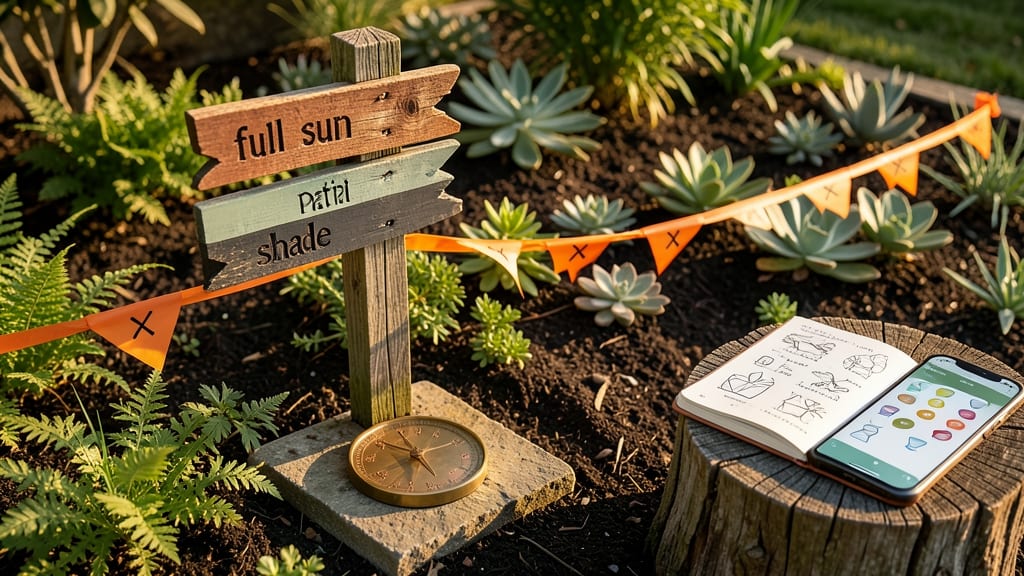
Gardens need varying sun amounts depending on plant types: full sun (6+ hours/day) suits vegetables like tomatoes and flowers such as sunflowers, while partial shade (3-6 hours) benefits herbs like parsley and shade-loving plants like ferns thrive with less than 3 hours. Over- or under-exposure can stunt growth or kill plants.
A garden's sunlight needs aren't one-size-fits-all—they depend entirely on what you're growing. 🌱 For example, sunflowers and peppers demand full sun to produce vibrant blooms and robust yields, while hostas and impatiens will wilt if exposed to more than a few hours of direct light.
I've learned the hard way that even a slight misplacement can turn a thriving garden into a struggling one—like when my basil plants bolted after just one week in too much afternoon sun.
The key is matching each plant's native habitat to your garden's light conditions, whether that means creating microclimates with shade structures or rotating crops seasonally.
Even experienced gardeners often overlook how sunlight patterns change throughout the day and year.
Morning sun behaves differently than afternoon sun, and winter shadows can transform a sunny spot into partial shade. 🌿 That's why I recommend observing your garden's light conditions for a week before planting—note which areas get dappled light, full sun, or remain in shade.
This small step can save you from costly mistakes like dead ferns or leggy seedlings.
💡 In This Article
- Sunlight Requirements for Different Plant Categories
- Optimizing Garden Sunlight for Plant Health and Yield
Sunlight requirements for different plant categories
Sunlight drives photosynthesis—the process where plants convert light energy into glucose for growth. Full-sun plants like tomatoes and sunflowers require 6+ hours of direct sunlight daily because their leaves contain high concentrations of chlorophyll, which maximizes energy absorption.
These plants often develop thicker cuticles and waxy coatings to prevent water loss from intense light exposure. For instance, a tomato plant exposed to only 4 hours of sun will produce smaller, fewer fruits with less flavor due to reduced photosynthesis efficiency.
The difference between morning and afternoon sun matters too. Morning sunlight is cooler and less intense, ideal for plants like peppers that prefer gentle warmth. Afternoon sun, especially in summer, can scorch delicate leaves with its hotter, more concentrated rays.
This is why many Mediterranean herbs (like oregano) thrive in full sun but need afternoon shade in hot climates. Partial-shade plants, such as parsley and hostas, typically need 3-6 hours of filtered light, as their leaves are more sensitive to UV damage and prefer diffused sunlight that reduces stress.
Shade-loving plants like ferns and caladiums have evolved to thrive with less than 3 hours of direct sun. Their leaves often contain pigments like anthocyanins (purple hues) that protect against low-light conditions.
These plants rely on indirect light for photosynthesis, which is why they grow best under tree canopies or in north-facing garden beds. Over-exposing them to full sun causes leaf bleaching—a condition where chlorophyll breaks down, leaving white or yellow patches that signal irreversible damage.
Here’s a quick breakdown of how sunlight affects growth patterns:
- Full sun (6+ hours): Promotes robust stems, abundant blooms, and high yields (e.g., tomatoes, marigolds).
- Partial shade (3-6 hours): Encourages lush foliage and delicate flowers (e.g., hydrangeas, lettuce).
- Full shade (<3 hours): Supports slow, shade-adapted growth (e.g., hostas, mosses).
Nutrient absorption also shifts with light exposure. Full-sun plants develop deeper root systems to access water and nutrients, while shade plants often have shallower roots adapted to moist, cooler soils.
This is why a sunflower planted in shade will grow tall and leggy, stretching toward any available light—a survival tactic called etiolation, which weakens the plant structurally.
Even within categories, exceptions exist. For example, some varieties of basil (like 'Genovese') thrive in full sun, while others (like 'Spicy Globe') prefer partial shade. Always check seed packets or plant tags for specific light recommendations—these details can mean the difference between a thriving plant and a struggling one. 🌿