
Tools
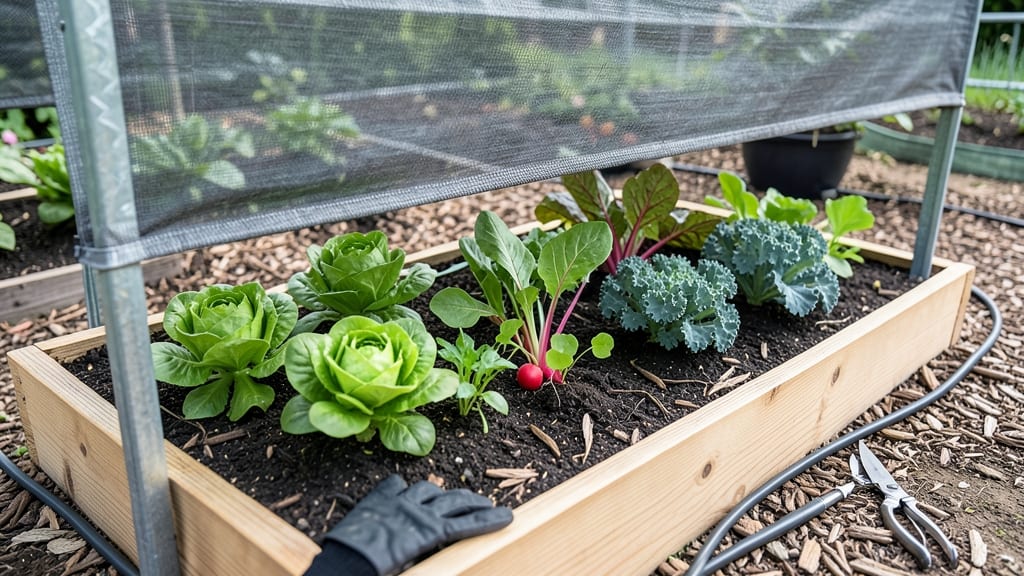
Using shade cloth for garden beds helps regulate sunlight exposure, with 30% to 50% light-blocking options perfect for most vegetables and flowers. The right percentage keeps plants thriving by balancing protection against heat stress and sunburn while maintaining photosynthesis.
Shade cloth acts like a natural sunscreen for your plants, adjusting how much sunlight reaches them based on their needs. 🌿 For example, leafy greens like lettuce and spinach thrive with 30% to 50% coverage, while delicate flowers such as impatiens benefit from 50% to 70% protection in hot climates.
The key is matching the percentage to your plants' sensitivity—too little shade can scorch leaves, while too much slows growth. I always recommend testing different sections of your garden to see how plants respond before committing to full coverage.
Beyond light control, shade cloth also reduces soil temperature, which is especially helpful in summer when roots can overheat. Polypropylene is the most common material because it's lightweight and durable, but polyester options offer better UV resistance if you're dealing with intense sun year-round.
Proper installation—whether using hoops, stakes, or a frame—ensures even coverage and prevents gaps where sunlight could sneak through and create uneven growth patterns.
💡 In This Article
- How Shade Cloth Light Blocking Percentages Affect Plant Growth
- Selecting the Best Shade Cloth for Your Garden Bed Needs
How shade cloth light blocking percentages affect plant growth
Shade cloth works by filtering sunlight through a woven fabric, reducing both light intensity and heat radiation that reaches plants. The percentage rating—like 30%, 50%, or 70%—refers to how much light is blocked, with 30% allowing 70% of sunlight through and 70% blocking 70% of light.
This filtration directly impacts photosynthesis: too little light (70%+ block) slows sugar production, while too much (30% or less) can cause leaf scorch or heat stress. 🌱 The sweet spot for most vegetables and flowers falls between 30% and 50%, where photosynthesis remains efficient while heat stress is minimized.
For example, leafy greens like lettuce and spinach thrive under 30% to 50% shade cloth because their broad leaves absorb excess light quickly, leading to bolting (premature flowering) in hot conditions.
Tomatoes, on the other hand, are sun-lovers but benefit from 30% shade during peak summer to prevent sunscald on fruits.
The cloth also reduces soil temperatures by 10-15°F, which is critical for root health—especially in climates where afternoon sun can push soil temps above 90°F, a threshold that stunts root growth in many plants.
Here's what happens at different levels: 30% cloth lets in enough light for full photosynthesis while cutting UV rays by 30%, ideal for heat-sensitive crops. 50% cloth offers more protection, reducing light by half and lowering soil temps by 12-14°F, perfect for delicate flowers or seedlings. 70%+ cloth is overkill for most edibles but works for tropical plants or shade-loving perennials that need 40% or less full sun.
The key is matching the percentage to your plant's native growing conditions—think of it as a customizable greenhouse roof.
Light blocking also affects plant stress hormones. Excessive sunlight triggers ethylene production, which accelerates aging in leaves, while shade cloth moderates this response. Studies show that plants under 30-50% shade exhibit 20-30% less wilting during heatwaves compared to unprotected plants.
This is why professional growers use shade cloth in greenhouses—it's not just about light, but about creating a stable microclimate where plants can focus energy on growth rather than survival. 🌿
Consider this real-world scenario: In Arizona's summer heat, basil plants left unprotected wilt within 3 days at 110°F temps, while identical plants under 30% shade cloth thrived with minimal wilting. The cloth didn't just block light—it created a 15°F cooler environment at leaf level, preventing heat stress.
This same principle applies to your home garden, though the exact percentage depends on your local climate and plant types.
Pro tip: If you're unsure, start with 30% cloth for most vegetables and observe for 2 weeks. You'll quickly notice differences in leaf color, growth rate, and heat tolerance. For flowers, lean toward 50% in hot climates to prevent leaf burn while maintaining vibrant blooms.
The goal is to mimic the natural shade plants would experience under a canopy or in partial sunlight conditions.