
Watering
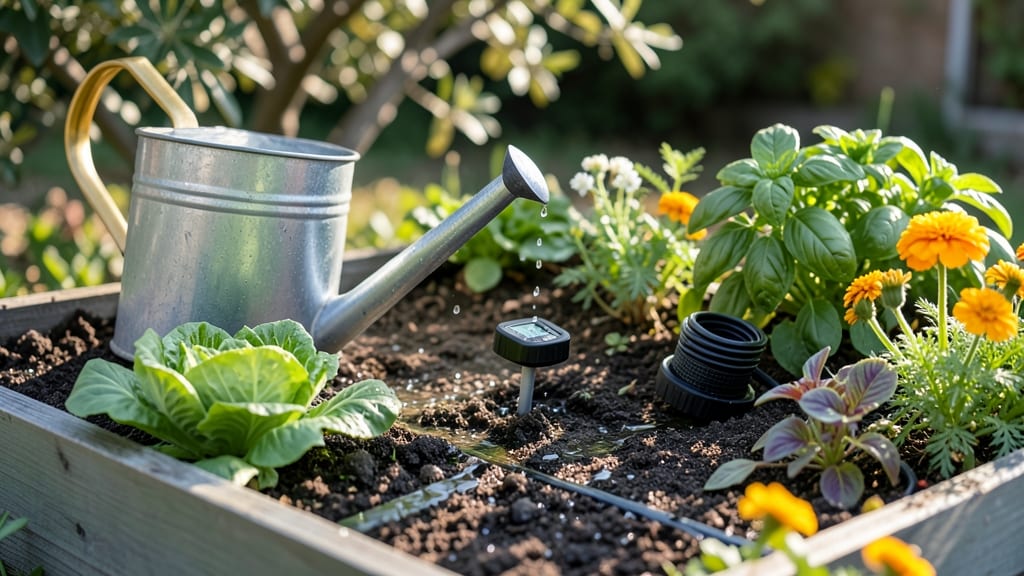
Watering your garden the right amount keeps roots happy without drowning them, and the key is knowing how much to water for each plant’s needs.
Overwatering kills plants faster than underwatering—yet gardeners struggle to find the perfect balance that keeps soil moist without drowning roots. The right watering schedule depends on plant type, climate, and soil conditions, not guesswork.
In Zone 6, where spring planting kicks off in April, a deep soak of 1–2 inches per week works for most vegetables and flowers—but succulents and herbs need far less. I’ll break down the science behind it, including when to adjust for heatwaves or drought.
You’ll also learn how to spot overwatering (mushy stems, yellow leaves) versus underwatering (crispy edges) and the smart tools that take the guesswork out of it—like soil moisture meters and drip systems.
Science-backed watering schedule by plant type and climate zones
Determining how much to water garden plants isn't about rigid rules—it's about understanding your local climate zone, soil type, and plant needs. In USDA zones 3–10, watering schedules can vary dramatically: a succulent in Arizona thrives with minimal water, while tomatoes in Georgia need consistent moisture.
The key is balancing soil moisture and root depth to avoid both drought stress and root rot.
Start by testing your soil's moisture with the "finger test": stick your index finger 1–2 inches deep. If it feels dry, water; if damp, wait. For sandy soil, water more frequently but shallowly, while clay soil holds moisture longer, requiring deeper, less frequent watering.
Adjusting for seasonal changes—like increased evaporation in summer—ensures your garden stays healthy year-round.
🌱
| Plant Type | Water Frequency (USDA Zones 3–10) | Soil Moisture Test Depth | Best Time to Water | Drought Tolerance |
|---|---|---|---|---|
| Vegetables (Tomatoes, Peppers, Lettuce) | 1–2x weekly (deep watering) | 1–2 inches | Early morning (6–9 AM) | Moderate |
| Annual Flowers (Marigolds, Petunias) | 2–3x weekly (light watering) | ½–1 inch | Late afternoon (4–6 PM) | Low |
| Perennials (Hostas, Lavender) | 1x weekly (deep soak) | 2–3 inches | Morning or evening | High |
| Succulents & Cacti (Aloe, Jade) | Every 2–4 weeks (dry soil) | 1–2 inches (wait for bone-dry) | Midday (avoid evening) | Very High |
| Shrubs & Trees (Rose Bushes, Maple Trees) | 1–2x weekly (deep roots) | 3–4 inches | Morning (slow evaporation) | Moderate-High |
For USDA zone 3–5 (cooler climates), reduce watering in fall and winter—most plants enter dormancy. In zones 6–10, summer heat demands daily watering for thirsty plants like okra or zucchini, while drought-resistant plants like yucca or sedum can survive on rainfall alone.
Always water at the base, not overhead, to prevent fungal diseases like powdery mildew.
Mulching with 2–3 inches of organic matter (straw, wood chips) retains moisture and regulates soil temperature. In containers, water every 2–3 days—potted soil dries out 3x faster than in-ground soil. Use a moisture meter for accuracy, especially in sandy or rocky soil, where water drains quickly.
Watch for wilting leaves (underwatering) or yellowing foliage (overwatering). Adjust your schedule based on weather patterns: after a heavy rain, skip watering for 3–5 days. In high humidity (common in zones 7–10), water in the early morning to reduce fungal risks.
For newly planted seedlings, keep soil consistently moist for the first 2–3 weeks to encourage root establishment.
Pro tip: Group plants with similar water needs together in your garden layout. For example, pair basil and radishes (both need frequent water) near your drip irrigation system, while rosemary and lavender (drought-tolerant) can share a sunny, dry corner.
This zone-based watering saves time and ensures no plant is neglected.
💧
Remember, how much to water garden plants is a dynamic process. Start with the guidelines above, then fine-tune based on your local microclimate, soil type, and plant responses. Over time, you’ll develop an intuition for when your garden is truly thirsty—or just asking for a drink.
5 Signs your garden is overwatered (or underwatered) and how to fix it
Even with the best intentions, your garden can suffer from too much—or too little—water. I’ve seen mushy stems from overwatering and crispy leaf edges from underwatering, and both can kill plants if ignored. The key is learning to read your plants’ signals before damage sets in.
Most gardeners water based on a schedule, but plants don’t follow calendars—they respond to soil moisture, temperature, and drainage. In Zone 6, where spring rains can be unpredictable, I’ve had to adjust my routine mid-season to avoid soggy soil.
Here’s how to spot the warning signs and fix them fast.
- 1. Deep soak 1–2 inches of water per week for most plants (use a rain gauge or tuna can to measure).
- Water in the morning (before 10 AM) to reduce fungal risks and evaporation.
- Check soil moisture with your finger: 1 inch deep for annuals, 2–3 inches for perennials.
- Adjust for heat: Water daily in 90°F+ weather; bi-weekly in cooler months.
- Improve drainage with organic mulch (2–3 inches) to retain moisture and prevent root rot.
Yellowing leaves aren’t always a sign of overwatering—they can also mean nutrient deficiency or poor drainage. But if the yellowing starts at the bottom leaves and the soil smells sour, you’re likely drowning your plants.
Pull up a plant gently: if the roots look gray and mushy, that’s root rot from excess moisture.
On the flip side, wilting leaves that don’t perk up after watering signal underwatering. Check the soil: if it’s bone-dry 1–2 inches down, your plants are thirsty. Container plants dry out faster—mine need watering every 2–3 days in summer, while in-ground plants last 7–10 days between waterings.
To fix overwatered soil, stop watering immediately and let the top 3–4 inches dry out. Amend the soil with compost or perlite to improve drainage, and consider raised beds if your garden sits in a low spot.
For underwatered plants, water deeply until it runs out the drainage holes, then mulch to lock in moisture.
Mold or mildew on leaves? That’s another red flag for overwatering. Prune affected foliage and space plants 12–18 inches apart for better airflow. If your garden feels like a swamp, it’s time to reassess your watering schedule and soil health.
A little trial and error goes a long way—my tomatoes thrived once I switched to drip irrigation and mulched heavily.