
Watering
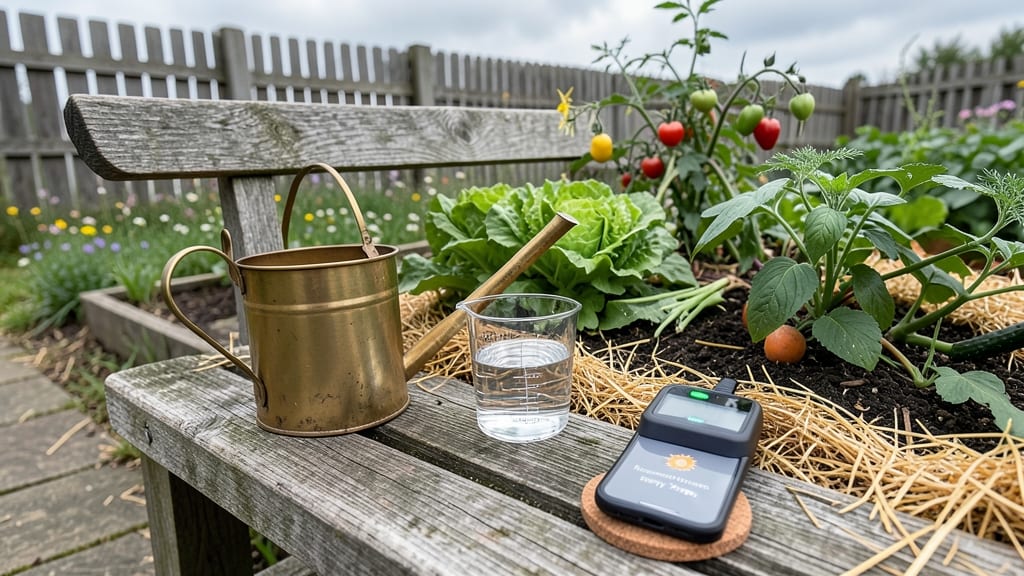
Watering your vegetable garden the right amount keeps 🥬 thriving—and too much or too little can ruin your harvest in weeks.
Here’s the truth: most gardeners either drown their plants or leave them parched, thinking more water is always better. But the real secret lies in understanding how much each plant type needs, from leafy greens to heavy feeders like tomatoes.
In this guide, I’ll break down the exact watering schedule for your garden’s most common crops, including how to adjust for soil type, weather, and seasonal shifts. No more guessing—just science-backed tips to keep your plants happy and productive.
You’ll learn when to water (morning vs. evening matters), how deep to go, and the telltale signs of overwatering or underwatering so you can fix problems before they wreck your harvest.
Daily water requirements for vegetable gardens by plant type
Watering your vegetable garden isn't a one-size-fits-all task—each plant type has unique needs that determine how much and how often you should water. Leafy greens like lettuce and spinach need consistent moisture to stay crisp, while root vegetables like carrots and potatoes require deep, infrequent watering to prevent splitting.
Understanding these differences ensures your garden thrives without waste.
Seasonal adjustments are critical too. In summer heat, most vegetables need 1-2 inches of water weekly, but in cooler months, you can reduce this to ½ inch every 5-7 days.
The key is monitoring soil moisture—stick your finger 1-2 inches deep; if it's dry, it's time to water. Let's break down the specifics for each plant category to help you water like a pro.
🌱 Tip: Always water at the base of plants in the morning to reduce evaporation and fungal risks.
Leafy greens like lettuce and spinach are the most sensitive to water fluctuations. They prefer consistent moisture—never let their soil dry out completely, or you'll risk bolting (premature flowering). Aim for 1-1.5 inches of water every 1-2 days in summer, but cut back to every 3-4 days in cooler months. Mulching with straw helps retain moisture and keeps leaves dry, reducing fungal diseases.
Root vegetables, including carrots, potatoes, and beets, need a different approach. These crops thrive with deep, infrequent watering to encourage root development. Water 1.5-2 inches every 2-3 days in summer, but reduce to every 5-7 days in spring or fall. Overwatering can cause root splitting, so always check soil moisture before watering—
Signs your vegetable garden is overwatered or underwatered (and how to fix it)
Even with the best intentions, it’s easy to overdo or skimp on watering your vegetable garden. Overwatering can suffocate roots by cutting off oxygen, while underwatering stresses plants and reduces yields.
Both issues often show up in subtle (or obvious) ways—like yellowing leaves or mushy stems—that can be mistaken for other problems. The key is learning to read your plants’ signals and adjusting your watering routine before damage sets in.
Most gardeners assume wilting always means underwatering, but it can also signal overwatering if the soil stays soggy. For example, tomatoes and peppers droop when thirsty but also collapse if their roots sit in waterlogged soil.
The solution? Check the soil moisture 1-2 inches deep—not just the surface. Stick your finger in: if it’s dry, water; if it’s damp, hold off. This simple test saves countless plants from stress.
🚨
⚠️ Watering Rules for Vegetable Gardens
- Morning watering (before 10 AM) prevents fungal diseases like powdery mildew.
- 1-2 inches per week is the general rule, but leafy greens need more frequent shallow watering.
- Deep watering (6-8 inches) encourages roots to grow downward, not just spread wide.
- Mulch heavily (2-3 inches) to retain moisture and block weeds that compete for water.
- Adjust for rain: Skip watering if you’ve gotten ½ inch or more in the past 24 hours.
Pro Tip: Use a rain gauge or tuna can buried in the soil to track actual rainfall—your weather app won’t cut it!
Let’s tackle overwatering first. The most obvious sign is mold or fungus on leaves or soil—think white powder (powdery mildew) or slimy black spots (sooty mold).
Root rot is another red flag: plants may look healthy above ground but pull out easily with a black, mushy root system. If your garden smells like wet socks, that’s your cue to reduce watering immediately and improve drainage.
Amend heavy clay soil with compost or perlite to help it dry faster.
On the flip side, underwatered plants show stress in other ways. Leaves curl inward (like lettuce or spinach), turn crispy at the edges, or develop a dull, grayish hue. Fruiting plants like cucumbers or zucchini may drop flowers or produce small, bitter fruit.
The soil around underwatered plants pulls away from the pot or garden bed, revealing a hard, cracked surface. Fix this by watering deeply until moisture reaches 6-8 inches down, then mulch to slow evaporation.
Not all plants react the same way, though. Herbs like basil or cilantro wilt dramatically when thirsty but bounce back quickly after a drink. Root vegetables like carrots or beets, however, show signs of underwatering by developing woody, misshapen roots.
To avoid these issues, group plants with similar water needs together. For example, pair peppers and eggplants (which need consistent moisture) with tomatoes, but keep succulents or onions (which tolerate dry spells) separate.
Create a simple diagnostic checklist to troubleshoot your garden’s water woes: ☑️ Check soil moisture 1-2 inches deep (use a moisture meter for accuracy). ☑️ Inspect leaves for yellowing, spots, or wilting patterns. ☑️ Pull up a plant to examine its roots (healthy roots are firm and white). ☑️ Observe the soil surface: cracked = underwatered; always damp = overwatered. ☑️ Note the time of day you water—evening watering can worsen fungal issues.
If you’ve checked all these and still aren’t sure, adjust gradually. Overwatered plants need drier soil; underwatered ones crave deeper, less frequent watering. Patience and observation are your best tools!