
Watering
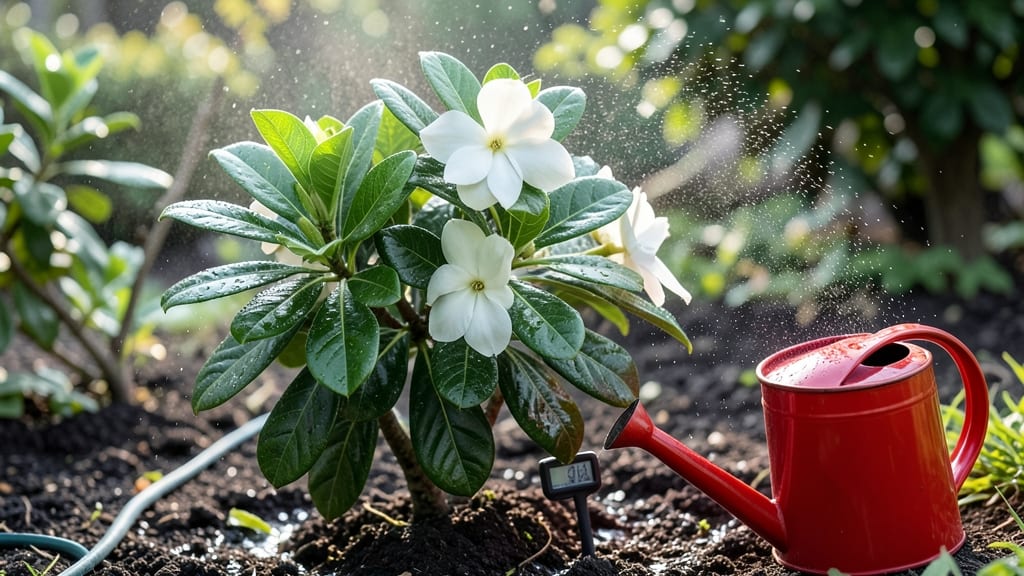
To keep your gardenias thriving with consistent blooms, they need about 1-2 inches of water per week—more in summer, less in winter—while avoiding soggy soil that invites root rot.
Struggling to keep your gardenias blooming beautifully? The right watering schedule can transform a struggling plant into a fragrant, vibrant centerpiece—without overcomplicating your routine.
These shrubs love moisture but hate being waterlogged, which is why checking the top inch of soil before watering is the key to success. Too little, and buds drop; too much, and roots suffocate.
Below, I break down a weekly schedule tailored to your climate, soil type, and plant age—so you can water with confidence and enjoy those iconic white blooms all season.
Gardenia watering requirements by season: a detailed breakdown
Gardenias thrive when their watering needs align with seasonal changes, but many gardeners struggle to balance consistent moisture with root health. Unlike drought-tolerant plants, gardenias demand precise hydration—too much causes root rot, while too little triggers bud drop.
Understanding how temperature shifts, humidity levels, and soil evaporation rates change each season is key to keeping your gardenias fragrant and blooming.
The secret lies in adjusting water frequency based on environmental cues. For example, gardenias planted in USDA Zone 6a (like most home gardeners) will need daily watering in summer but only weekly in winter.
This seasonal flexibility prevents stress while maintaining the acidic soil moisture they crave. Let’s break down exactly how to water gardenias in each season to avoid common pitfalls.
| Season | Watering Frequency | Soil Moisture Goal | Key Adjustments |
|---|---|---|---|
| Spring | Every 2-3 days | Top 2 inches moist | Increase frequency as temps rise; mulch to retain moisture. |
| Summer | Daily (morning) | Top 1-2 inches moist | Water deeply; avoid wetting leaves to prevent fungal issues. |
| Fall | Every 3-4 days | Top 3 inches moist | Reduce watering as growth slows; monitor soil before watering. |
| Winter | Weekly (if no frost) | Top 4 inches slightly dry | Water only if soil is bone-dry; protect from freezing roots. |
In spring, gardenias wake from dormancy and need a gradual increase in water as temperatures climb. Aim to keep the top 2 inches of soil consistently moist—this encourages new root growth and prepares the plant for summer blooming.
I recommend mulching with pine bark (to lower pH naturally) and watering in the morning to reduce evaporation. If your gardenia is in a container, it may need water every 2 days due to faster drying.
Summer is the most critical season for gardenias, as high heat and low humidity accelerate moisture loss. Water deeply every morning (before 10 AM) to mimic natural rainfall cycles. A good rule of thumb: if the soil feels dry 1 inch down, it’s time to water.
Avoid overhead sprinkling—wet foliage invites powdery mildew. Instead, use a soaker hose or drip irrigation to deliver water directly to the roots while keeping leaves dry.
As fall arrives, gardenias slow their growth, and water needs decrease. Reduce frequency to every 3-4 days, letting the top 3 inches of soil dry slightly between waterings. This adjustment prevents overwatering while still supporting root development.
Watch for yellowing leaves—a sign of overwatering—or dropping buds, which often means underwatering. In Zone 6a, fall is also when gardenias prepare for winter, so reduce fertilization and focus on root protection with a thick layer of mulch.
Winter care is minimal but critical. Gardenias in frost-prone areas (like Zone 6a) may need no water if the ground is frozen. If temperatures stay above freezing, water once weekly only if the soil is bone-dry. The goal is to avoid soggy roots during dormancy.
Protect your gardenia with burlap wraps or a lightweight frost cloth if nights dip below 20°F. Overwatering in winter can lead to root rot, so always check moisture before watering.
One of the biggest mistakes I see is ignoring soil type. Gardenias in sandy soil dry out faster and may need water daily in summer, while those in clay soil can go 4-5 days between waterings.
To test soil moisture, stick your finger 2 inches deep—if it feels dry, water thoroughly. For container gardenias, weigh the pot: if it feels light, it’s time to water. Pro tip: Use a moisture meter for accuracy, especially in hot, dry climates.
Seasonal watering isn’t just about frequency—it’s about adapting to your gardenia’s life cycle. In spring, prioritize root establishment; in summer, focus on hydration and leaf protection; in fall, prepare for dormancy; and in winter, minimize stress.
By following these seasonal guidelines, you’ll keep your gardenias blooming abundantly and fragrant year-round. The key is consistency paired with flexibility—your gardenia will thank you with show-stopping white blooms!
🌸
Weekly watering schedule for gardenias: step-by-step guide
Gardenias thrive on consistent moisture, but their watering needs change as they mature. Young plants require more frequent hydration to establish roots, while established shrubs can handle slightly longer intervals.
The key is balancing soil moisture without causing root rot—a common issue for gardenias. Let's break down the perfect weekly schedule tailored to your plant's age and your soil type.
Before diving into the schedule, test your soil moisture by inserting your finger 2-3 inches deep. If it feels dry, it's time to water. Clay soil holds moisture longer than sandy soil, so adjust your frequency accordingly.
Gardenias also prefer morning watering to reduce fungal risks from evening dampness. With these basics, you're ready to create a thriving environment for your fragrant blooms.
Monitor your gardenias closely during hot summer months, as they may need daily watering. In contrast, winter care reduces frequency to once a week, allowing the plant to rest. Always water at the base of the plant to avoid wetting leaves, which can promote fungal diseases like powdery mildew.
A simple mulch layer around the base retains moisture and regulates soil temperature.
For container-grown gardenias, check soil moisture daily—they dry out faster than in-ground plants. Adjust your watering schedule based on pot size and material; terracotta pots dry out quicker than plastic.
If you notice drooping leaves that don’t bounce back after watering, it’s a sign of root stress and may require repotting with fresh, well-draining soil.
Consistency is key to keeping your gardenias thriving. Stick to your tailored schedule, and you’ll reward yourself with lush foliage and abundant blooms all season long. Remember, gardenias are sensitive plants, so slight adjustments based on weather and plant response will keep them happy and healthy.
💧