
Plants
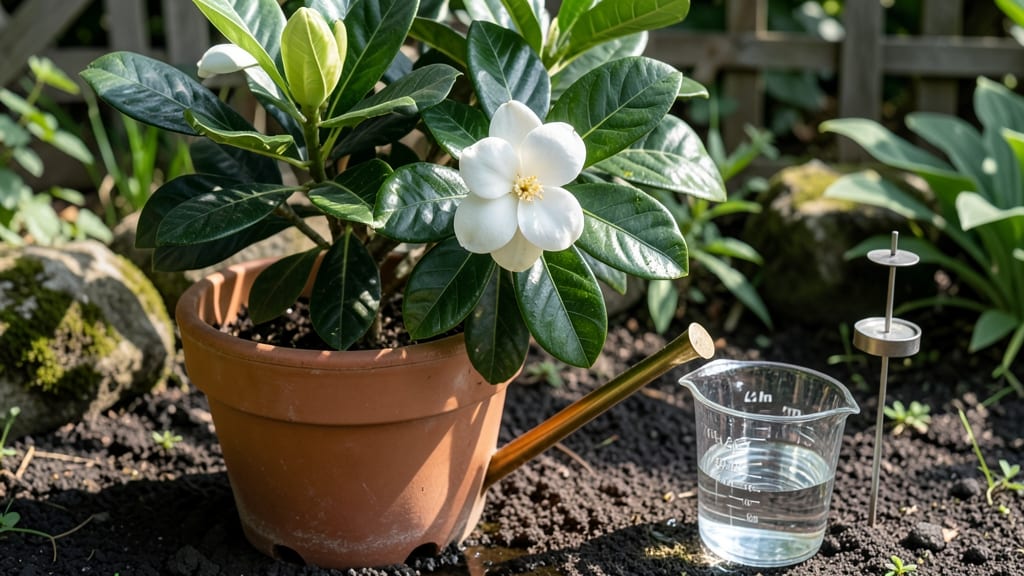
A gardenia plant needs consistent moisture to thrive, with 1-1.5 inches of water per week as your baseline—more in summer heat, less in winter’s chill.
Picture this: your 🌸 gardenia sits on the patio, its glossy leaves drooping by midday, even though you watered it yesterday. That’s the classic sign you’re either overwatering (root rot lurks) or underwatering (wilting spells doom).
The fix? A weekly schedule that adapts to humidity, soil, and season—not just a rigid calendar.
Here’s the game-changer: gardenias hate soggy roots but despise dry spells, too. I’ll show you how to check soil moisture like a pro, when to deep-soak vs. just dampen the surface, and why morning watering saves your blooms from fungal threats.
By the end, you’ll know exactly when to reach for the hose (or skip it) to keep your gardenia’s roots happy, its leaves perky, and its fragrance unmistakable—without the guesswork.
Optimal watering schedule for gardenia plants by season (with soil moisture guide)
Gardenia plants thrive on consistent moisture but despise soggy soil—balancing these needs is key to their fragrant blooms. The secret lies in understanding seasonal adjustments and soil moisture levels, not rigid schedules.
In my experience, gardenias in containers dry faster than those planted in-ground, so I always check soil conditions before watering.
Your gardenia’s water needs shift dramatically with the seasons. Summer heat demands daily watering, while winter dormancy requires minimal moisture. Humidity also plays a role—plants in dry climates need more frequent watering than those in humid regions.
The golden rule? Water when the top 1-2 inches of soil feel dry to the touch.
Soil moisture testing is simpler than you think. Stick your finger about 2 inches deep—if it feels dry, it’s time to water. For a more precise method, use a moisture meter (they’re affordable and game-changers). I’ve found that gardenias in well-draining soil with a mulch layer retain moisture better, reducing the need for frequent watering.
| Season | Frequency | Soil Depth Check | Notes |
|---|---|---|---|
| Spring | Every 2-3 days | 1-2 inches | Increase frequency as temps rise |
| Summer | Daily (deep soak) | 1-3 inches | Morning watering preferred |
| Fall | Every 3-4 days | 1-2 inches | Reduce as temps drop |
| Winter | Bi-weekly | 2-3 inches | Avoid waterlogging |
During spring, your gardenia transitions from dormancy and needs gentle encouragement to wake up. I start with every 2-3 days of watering, increasing frequency as new growth appears. This is also the perfect time to test your soil’s pH—gardenias crave acidic soil (5.0-6.5).
If your soil is alkaline, amend it with peat moss or sulfur.
Summer is the most critical season for watering. With high evaporation rates, gardenias may need daily watering, especially in containers. The key is deep watering—soak the soil until water drains from the bottom. I’ve seen gardenias wilt dramatically in afternoon heat, so I water early morning to prevent stress. Mulching with organic matter helps retain moisture and keeps roots cool.
As fall arrives, reduce watering frequency to every 3-4 days. The cooler temperatures mean your gardenia absorbs moisture more slowly. This is also when I prune spent blooms to redirect energy to root growth.
Watch for yellowing leaves, which often signal overwatering—a common mistake as gardeners ease into winter care.
Winter care is about minimal intervention. Most gardenias enter dormancy, needing water only every 2 weeks. The goal is to keep soil slightly moist, not soggy. In potted gardenias, I move them to a garage or sheltered spot to protect roots from freezing. If your gardenia is outdoors in a mild climate, reduce watering but keep an eye out for dry soil.
One common mistake I see is watering on a schedule rather than checking soil moisture. Gardenias in shady spots dry out slower than those in sunny locations. Always adjust based on conditions, not a calendar.
For example, a potted gardenia in full sun might need watering twice daily in July, while one in partial shade could go 3 days between waterings.
To maximize your gardenia’s health, pair proper watering with well-draining soil and adequate airflow. I’ve found that container gardenias benefit from terracotta pots, which wick away excess moisture.
If you notice yellow leaves or mushy stems, it’s a sign of overwatering. Conversely, crispy edges on leaves mean your plant is thirsty. Adjust your schedule accordingly.
Remember, gardenias communicate their needs through their leaves and blooms. A healthy plant will have glossy, dark green leaves and abundant flowers. With this seasonal watering guide and soil moisture checks, you’ll keep your gardenia thriving year-round—no guesswork required. Happy gardening!
Signs your gardenia needs more (or less) water—and how to fix it
Your gardenia’s leaves are the first to scream for help when watering goes wrong. Yellowing leaves with brown edges? That’s often overwatering—roots suffocating in soggy soil. Drooping leaves that don’t perk up after watering? Underwatering is stealing your plant’s moisture.
The fix starts with your fingers: stick them 2 inches into the soil. If it feels dry, water deeply. If it’s damp, wait another day.
Don’t rely on a rigid schedule. Gardenias in containers dry faster than in-ground plants, while humid climates slow evaporation. I’ve seen gardenias wilt in pots by noon on sunny days—yet stay thirsty for days in shaded, rainy conditions.
The key? Check soil moisture daily during heatwaves and reduce frequency in cooler months.
Root rot is the silent killer of overwatered gardenias. If your plant’s leaves turn yellow and fall off while the soil stays soggy, you’re drowning its roots. Mushy, black roots confirm the damage. The fix? Stop watering immediately, repot in fresh well-draining soil, and trim affected roots with sterilized scissors. Let the soil dry out completely between waterings afterward.
Watering Gardenia Plants: Pros & Cons
✅ DO This
- Water deeply until soil is damp 2 inches down
- Use morning watering to reduce fungal risk
- Check soil moisture before watering (finger test)
- Use well-draining soil with perlite
- Reduce watering in fall/winter months
❌ Avoid This
- Water on a strict schedule (soil needs vary)
- Let soil stay waterlogged for days
- Use tap water with chlorine (use filtered water)
- Water at night (encourages disease)
- Ignore leaf color changes (early warning signs)
"Gardenias thrive on consistency, not excess. A little attention goes a long way."
For underwatered gardenias, the fix is simpler: deep watering until water runs out the drainage holes. But don’t just splash the surface—aim for the root zone. Use your finger to check moisture 2 inches down; if dry, water again.
In extreme heat, you might need to water daily, but always pair it with morning watering to prevent fungal spores from thriving on wet leaves.
One common mistake? Watering pots from the top only. Instead, place your pot in a tray of water for 10 minutes to hydrate roots evenly. This mimics natural rainfall and ensures moisture reaches the root ball.
Pro tip: Mulch around the base with organic material to retain moisture and regulate soil temperature.
Remember, gardenias tolerate drought better than soggy soil. If you’re unsure, underwater slightly—your plant will recover faster from thirst than from rot. And always pair watering with bright, indirect light; stressed plants in dim corners need even more hydration.
With these fixes, your gardenia’s leaves will stay glossy, and those fragrant blooms will return year after year.