
Fertilization
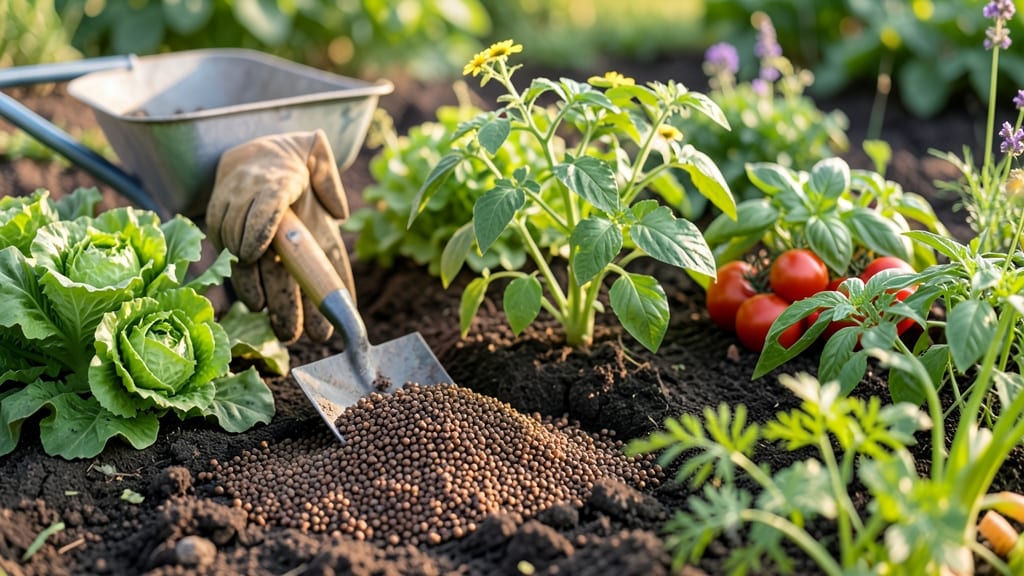
Fertilizing your garden too often or too little can leave your plants struggling, wasting your time and money—and the right schedule depends more than you’d think on what you’re growing.
Picture this: You’ve spent hours planting your 🌱 General Garden Plants, only to watch them wilt or grow unevenly because you overdid it with the fertilizer. Or worse, you skip it entirely and see stunted growth, pale leaves, and weak stems.
The truth? There’s no one-size-fits-all answer, but there is a science-backed way to get it right.
Most vegetables and flowers thrive with a monthly feed during their growing season, while perennials and trees often need less frequent nourishment. Soil tests, seasonal shifts, and even the type of fertilizer you use can change the game—organic options release nutrients slower, while synthetics work faster.
Below, I’ll break down exactly how often to fertilize based on your plants, season, and soil health.
You’ll learn how to read your garden’s signals, adjust for Zone 6a’s climate, and avoid common mistakes that leave your plants hungry—or burned. Ready to feed your garden the right way?

Fertilizing frequency by plant type: a science-backed schedule for vegetables, flowers, and trees
Fertilizing your garden isn’t a one-size-fits-all task—each plant type has unique needs. Vegetables crave frequent feeding, while perennials thrive on seasonal adjustments. Even trees need a tailored approach to avoid nutrient overload. Understanding these schedules ensures your plants grow strong, produce abundantly, and avoid damage from over- or under-fertilization.
Soil health plays a critical role in fertilizing frequency. Organic fertilizers like compost or manure release nutrients slowly, requiring less frequent applications. In contrast, synthetic fertilizers dissolve quickly, demanding more precise timing. Always start with a soil test to determine baseline nutrient levels before creating your custom schedule.
Here’s a science-backed breakdown of fertilizing intervals for common garden plants, including seasonal adjustments and soil considerations:
| Plant Type | Fertilizing Frequency | Best Fertilizer Type | Seasonal Notes |
|---|---|---|---|
| Vegetables (e.g., tomatoes, peppers, lettuce) | Every 2-4 weeks during growing season | Balanced (10-10-10) or organic compost | Feed heavily in spring/summer; reduce in fall |
| Flowers (annuals: marigolds, petunias; perennials: daylilies, coneflowers) | Monthly during bloom season; bi-weekly for heavy bloomers | Phosphorus-rich (5-10-10) for blooms; organic for perennials | Start feeding when buds form; stop after first frost |
| Herbs (basil, cilantro, rosemary) | Every 4-6 weeks; light feeding | Low-nitrogen (5-5-5) or worm castings | Avoid over-fertilizing; herbs prefer lean soil |
| Trees & Shrubs (young: fruit trees; mature: oak, maple) | Annually in early spring; slow-release organic | Organic (compost, bone meal) for young trees; none for mature | Focus on root zone; avoid synthetic fertilizers |
| Perennials (lavender, hostas, black-eyed Susans) | Bi-weekly in spring; monthly in summer; none in fall/winter | Balanced organic (e.g., fish emulsion) | Build soil health yearly with compost |
For vegetables, the growing season is your prime fertilizing window. Leafy greens like lettuce benefit from lighter, more frequent feeds, while heavy feeders such as tomatoes need nitrogen-rich fertilizers every 2-3 weeks. Always water deeply after applying fertilizer to prevent root burn and ensure nutrients reach the soil.
When it comes to flowers, timing is everything. Annuals like petunias thrive with monthly applications of phosphorus-heavy fertilizer to encourage blooms, while perennials like coneflowers prefer a slow-release organic fertilizer applied in early spring.
Avoid fertilizing late in the season, as it can stimulate tender new growth vulnerable to frost damage.
Trees and shrubs have entirely different needs. Young trees (under 3 years old) benefit from annual applications of organic fertilizer in early spring, while mature trees often don’t need supplemental feeding if their soil is healthy.
Focus on improving soil structure with mulch and compost rather than relying on synthetic fertilizers.
Seasonal adjustments are key to avoiding common mistakes. Spring is the time to kickstart growth with a balanced fertilizer, while summer may require more frequent feeding for heavy producers.
In fall, reduce or eliminate fertilizing to allow plants to harden off for winter. Winter is strictly a rest period—no fertilizing needed.
Pro tip: Always water before fertilizing to activate soil microbes and prevent fertilizer burn. For organic fertilizers, like compost or worm castings, work them into the top 2-3 inches of soil.
For synthetic granules, scatter evenly and water thoroughly to dissolve them. Adjust your schedule based on plant responses—yellowing leaves may signal nitrogen deficiency, while crispy edges could mean over-fertilization.
Remember, soil testing is your best friend. A simple at-home test kit (costing under $20) can reveal pH levels and nutrient deficiencies, helping you fine-tune your fertilizing routine. Healthy soil means less reliance on fertilizers and stronger, more resilient plants.
Start with a test, then build your schedule around the results for a thriving garden all season long.
5 Signs your garden needs fertilizer (and when to skip it)
Your garden speaks to you through its leaves, stems, and growth patterns—but many gardeners miss the subtle (or not-so-subtle) clues about nutrient needs. Yellowing leaves aren’t always a sign of overwatering; they could scream for nitrogen.
Meanwhile, stunted growth or weak stems often mean your plants are starving for phosphorus or potassium. Before reaching for that fertilizer bag, though, learn to distinguish between nutrient hunger and over-fertilization, which can burn roots and crisp leaf edges.
I’ve seen firsthand how over-fertilizing can turn lush gardens into crispy, browned messes—especially in Zone 6a’s humid summers. The key is balancing nutrient needs with soil health.
Below, I’ll walk you through the top 5 signs your garden is begging for fertilizer (or needs a break) and when to pause fertilizing entirely—like during rainy seasons or winter dormancy.
- 1.
- 2.
- 3.
- 4.
- 5.
Now, let’s decode your garden’s nutrient deficiency signs. If you spot yellowing leaves between veins, your plants are likely nitrogen-deficient—common in fast-growing veggies like tomatoes or lettuce. For purple stems or leaves, phosphorus is the culprit, often seen in root crops or bulb plants.
Meanwhile, weak stems or slow growth point to potassium shortages, critical for disease resistance.
On the flip side, over-fertilizing shows up as crispy leaf edges (leaf scorch) or burnt roots. I’ve seen tomato plants wilt dramatically after a heavy dose of synthetic fertilizer—roots can’t absorb excess salts.
If you notice white crust on soil or stunted new growth, flush the soil with water and hold off on fertilizing for 4-6 weeks. Organic fertilizers (like compost or worm castings) are gentler and release nutrients slowly, reducing burn risks.
Seasonal pauses are just as important as feeding schedules. During Zone 6a’s rainy spring or fall, nutrients wash away—so skip fertilizing until the soil dries. Similarly, dormant plants (like perennials or trees) don’t need winter feeding; they’re conserving energy.
Even houseplants slow down in winter and thrive on a light feed every 2-3 months instead of monthly.
Pro tip: Pair fertilizing with compost or mulch to improve soil structure and retain moisture. If your garden’s signals are mixed—say, yellow leaves but crispy edges—start with a soil test to diagnose the root cause.
Your plants will thank you with vibrant blooms, bountiful harvests, and resilient growth all season long. 🌿