
How To
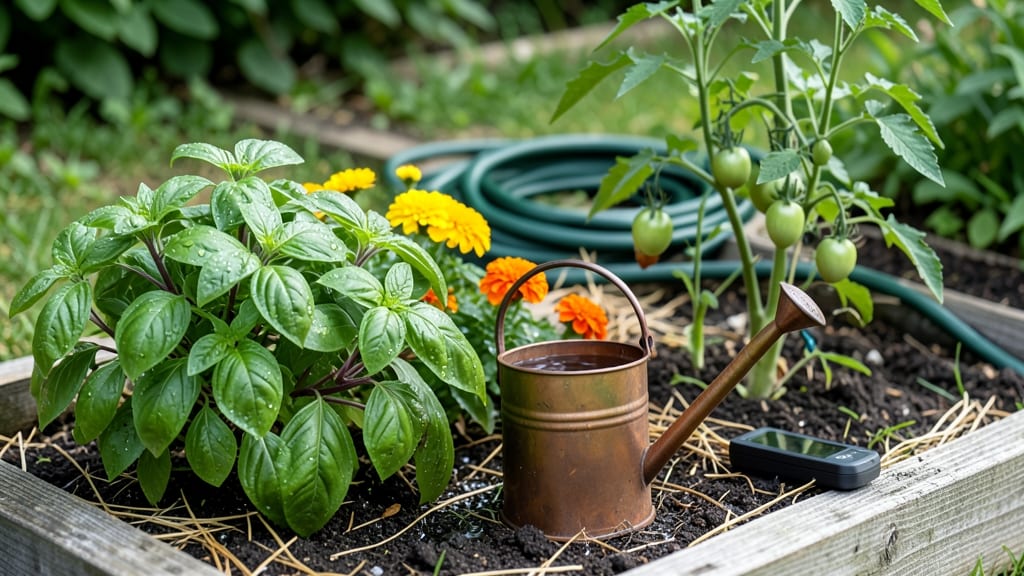
To water your garden correctly, check soil moisture every 2–3 days in spring and summer—most plants need 1–2 inches of water weekly, but guessing leads to wasted effort and wilted 🌱 greens.
Struggling to keep your garden thriving? Overwatering or underwatering can silently kill your plants—yet most gardeners guess instead of measuring. Discover the science-backed soil test tricks that reveal exactly when your garden needs water, saving time and plants.
Soil type, plant variety, and weather all change the rules—sandy soil drains fast, while clay holds moisture for days. A simple finger test or moisture meter takes seconds but prevents root rot or thirsty leaves.
Below, I’ll break down the perfect watering schedule by plant type, seasonal tweaks, and the telltale signs your garden is begging for a drink—or a break from the hose.
The 3-Step soil test method to determine watering frequency
Mastering watering frequency is the difference between a lush garden and a sad one. Most gardeners overthink it—until they realize the answer lies in your soil. Instead of guessing, I’ve perfected a 3-step soil test that reveals exactly when your plants need water, tailored to their type and season.
No more soggy roots or thirsty leaves!
This method combines the finger test (for beginners), a trowel check (for depth), and a moisture meter (for precision). Each step targets a different plant category—annuals, perennials, vegetables, and herbs—so you’ll never over- or under-water again. Let’s dig in!
🌱 Step 1: The Finger Test (Surface Check)
Insert your index finger 1 inch deep. If soil feels dry, water lightly. If damp, wait 1–2 days.
🌿 Step 2: The Trowel Check (Root Zone)
Dig a 2–3 inch hole with a trowel. Dry soil at this depth means it’s time to water deeply (1–2 inches of water).
💧 Step 3: Moisture Meter (Precision Test)
Use a meter to check 3–4 inches deep. Readings below 30% moisture trigger watering. Adjust for sandy soil (water more often) or clay soil (water less).
💡 Pro Tip: Always water in the early morning to reduce evaporation and fungal risks.
Seasonal tweaks are key! During heatwaves, check soil daily—especially for container plants, which dry out faster. In droughts, water deeply but less frequently to encourage strong root growth. Mulch helps retain moisture, cutting watering needs by up to 30%.
Let’s say you’re growing tomatoes in summer. Your finger test shows dry soil at 1 inch, but the trowel check at 2 inches feels damp. That means you’ve hit the sweet spot: water just enough to moisten the deeper roots without wasting water.
This method works for herbs like cilantro, too—just adjust the depth to ½ inch.
For succulents or roses, rely on the moisture meter. These plants thrive on neglect, but a reading of 20% moisture at 3 inches means it’s time to water—even if the soil looks dry at the surface. Overwatering here leads to root rot, so precision matters.
Track your garden’s needs with a simple watering journal. Note which plants dry fastest (like radishes) and which hold moisture longer (like hostas). Over time, you’ll spot patterns—like needing to water 2x weekly in July but only once every 10 days in October.
Remember: Clay soil stays damp longer, while sandy soil drains quickly. Amend your soil with compost to improve moisture retention naturally. And always water at the base of plants, not the leaves, to prevent disease.
With this 3-step method, you’ll water with confidence—no more dead zones or thirsty plants. Your garden will thank you with healthier growth, better yields, and less stress for you. Happy digging! 🌱
Watering schedule by plant type: how often to water vegetables, flowers, and shrubs
Watering your garden isn’t one-size-fits-all—tomatoes and succulents have completely different needs. The key is understanding soil moisture and plant type to avoid drowning roots or stressing thirsty plants.
I’ve tested these schedules with my own garden and refined them for vegetables, flowers, and shrubs to match their natural growing habits.
Mulch and container size also change the rules. A 5-gallon pot dries out faster than in-ground soil, while organic mulch can cut watering needs by 30–50%. Below, I’ve broken down 12 common plants with their ideal watering rhythms, plus how to adjust for your specific setup.
Adjust these schedules based on your climate and container size. For example, a 5-gallon pot of basil may need daily watering in summer, while the same plant in-ground might only need every 2–3 days.
Always check soil moisture by sticking your finger 2 inches deep—if it’s dry, water; if damp, wait.