
How To
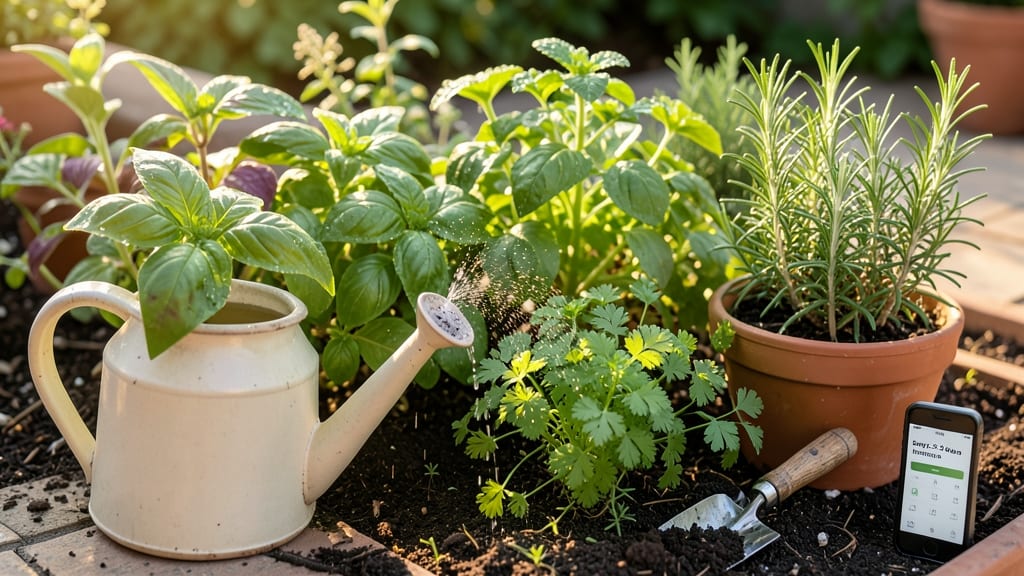
Watering your herb garden the right way keeps those fragrant leaves lush and ready to harvest—but most people guess instead of testing, leading to wilted basil or crispy rosemary.
Overwatering or underwatering your 🌿 herbs can turn your kitchen staples into sad, wilted relics—yet most gardeners get it wrong because they’re guessing instead of testing. The key to thriving herbs lies in a simple soil-moisture trick that saves time, water, and your plants.
Herbs like basil and parsley need consistent moisture, while rosemary and thyme prefer drier soil. Without knowing your soil type or climate, you’re flying blind—and that’s how you end up with browned edges or mushy roots.
I’ll show you how to check soil moisture in just 10 seconds, adjust for containers vs. in-ground beds, and fine-tune your watering schedule by season. No more guesswork, just flavorful, healthy herbs all season long.
The perfect watering schedule for different herbs (based on soil type)
Your herb garden's health depends on soil type more than you might think. Sandy soil drains too fast, while clay soil holds moisture like a sponge—both create problems if you don't adjust your watering.
The key is understanding each herb's root depth and moisture needs, then matching them to your soil's behavior.
For example, basil and parsley love consistent moisture, while rosemary and thyme prefer drier conditions. Even within the same soil type, watering frequency can vary by 2-3 days. Let's break it down so you never over- or underwater again.
Sandy soil drains water in minutes, forcing you to water daily or every other day in summer. Clay soil, on the other hand, stays soggy for days—watering every 3-5 days prevents root rot. The solution? A soil-moisture test and these tailored schedules.
| Herb | Sandy Soil | Clay Soil | Root Depth | Signs of Overwatering |
|---|---|---|---|---|
| Basil | Every 1-2 days | Every 3-4 days | 6-12 inches | Yellow leaves, wilting |
| Rosemary | Every 2-3 days | Every 5-7 days | 12-24 inches | Stunted growth, brown tips |
| Thyme | Every 2 days | Every 4-5 days | 6-12 inches | Root rot, mold |
| Mint | Every 1-2 days | Every 3 days | 12-18 inches | Yellowing leaves, slow growth |
| Parsley | Every 2 days | Every 3-4 days | 12-18 inches | Drooping, mushy stems |
Notice how rosemary and thyme need far less water than basil or mint? That's because their deep taproots reach moisture underground. In sandy soil, even drought-tolerant herbs like rosemary dry out faster—so check soil moisture daily in summer.
For container-grown herbs, watering happens more frequently because pots dry out faster. Basil in a 6-inch pot might need water every 1-2 days, while rosemary in a 10-inch pot can go 3-4 days between waterings. Always water until it drains from the bottom.
Seasonal shifts matter too. In spring and fall, reduce watering by 20-30% compared to summer. Winter watering should be minimal—just enough to prevent soil from drying completely. For example, thyme in clay soil might only need water every 10-14 days in winter.
If your herbs start looking leggy or pale, they’re thirsty. Crispy edges mean underwatering, while yellow leaves signal overwatering. The fix? Adjust your schedule and use mulch to retain moisture in sandy soil or improve drainage in clay soil.
Pro tip: Group herbs with similar needs together. Plant basil and parsley near each other in moisture-loving spots, and place rosemary and thyme in drier areas. This way, you can water entire sections at once, saving time and ensuring consistency.
Remember, morning watering is best—it gives plants a full day to dry out, reducing fungal risks. Avoid evening watering, especially in humid climates. With these soil-based schedules, your herbs will stay perky, aromatic, and ready for harvest all season long.
The finger test: how to check soil moisture without guessing
Skipping the guesswork on watering is the secret to keeping your herbs thriving. The 1-inch finger test is my go-to method for determining when to water—it’s fast, accurate, and works for both container gardens and in-ground beds.
No fancy tools needed, just your fingers and a few seconds of attention.
Start by sticking your index finger 1 inch deep into the soil near your herbs. This depth mimics where most herb roots absorb moisture. If the soil feels dry and crumbly, it’s time to water.
If it’s damp but not soggy, wait another day. This simple check prevents both overwatering and underwatering, two common mistakes that kill herbs.
Here’s how to adapt the test based on your soil type—sandy soil drains faster than loamy or clay soil, so adjust accordingly:
- 1 Sandy Soil: Water when the top inch feels bone-dry—it drains too quickly for herbs like basil or parsley.
- 2 Loamy Soil: Water when the soil feels slightly dry—ideal for most herbs, including thyme and oregano.
- 3 Clay Soil: Wait until the soil is damp but cool—clay holds moisture longer, risking root rot for rosemary or sage.
- 4 Containers: Check daily in summer—potted herbs dry out 2x faster than in-ground plants.
Seasonal adjustments are key: in summer heat, you’ll need to water more frequently, while winter dormancy means cutting back. For example, basil may need daily watering in July but only weekly in December. Always water in the morning to reduce evaporation and fungal risks.
Watch for visual cues like yellowing leaves (overwatering) or crispy edges (underwatering). If your herbs look limp or wilted, check the soil immediately—the finger test will tell you if it’s thirsty or drowning.
Over time, you’ll learn your garden’s rhythm and water just enough to keep those leaves perfectly plump.
Pro tip: Keep a small notebook nearby to track your soil’s moisture patterns. Note when you water and how quickly the soil dries—this personal data will help you fine-tune your schedule. Before you know it, your herbs will be bursting with flavor, and you’ll never guess again.