
Size
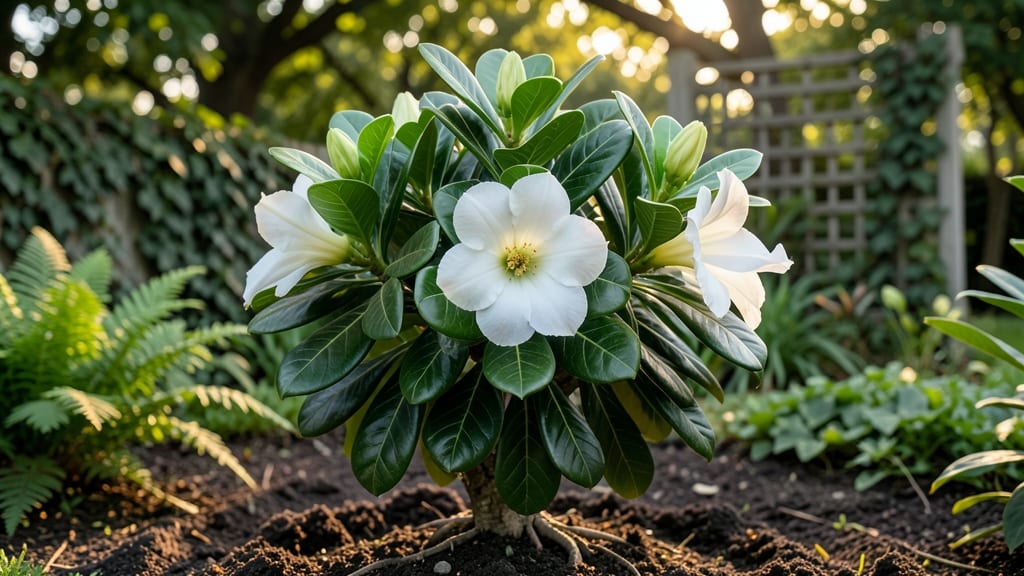
Wondering how tall do gardenias get? These fragrant plants mature between 3 and 6 feet, though some varieties stay as small as 1 to 2 feet—a range that lets you fit them into everything from containers to garden beds.
If you’re dreaming of fragrant, glossy gardenias but wondering whether they’ll dwarf your garden or fit cozily in a container, you’re in the right place—height varies dramatically by variety, and proper care can influence growth by feet.
For example, Gardenia jasminoides typically reaches 4 to 6 feet, while dwarf varieties like Gardenia radicans max out around 2 feet. The difference comes down to genetics, pruning, and even your local climate.
In this guide, I’ll break down exact height ranges by variety, share pruning tips to control growth, and explain how sunlight and soil affect how tall your gardenia will become.

Gardenia height by variety: exact growth ranges & mature sizes
When planning your garden, knowing how tall gardenias grow helps you choose the perfect spot for their fragrant blooms and glossy foliage. The most popular variety, Gardenia jasminoides, typically reaches 3 to 6 feet tall, but some varieties stay compact while others grow into small trees.
Understanding these differences ensures you plant them where they’ll thrive—whether in a container on your patio or as a privacy hedge.
Gardenias grow at different rates depending on their variety, care, and growing conditions. For example, dwarf varieties like 'Kleim's Hardy' stay under 2 feet tall, making them ideal for window boxes or small gardens.
Meanwhile, standard varieties like 'Radicans' can climb to 6 feet or taller if left unpruned. Let’s explore the exact mature heights and growth habits of the most common gardenia varieties to help you plan your garden layout.
If you’re growing Gardenia jasminoides, the most common variety, expect it to reach 3 to 6 feet tall with a similar spread, creating a rounded, bushy shape. This makes it perfect for foundation plantings or as a privacy screen along property lines.
Its fragrant white flowers and dark green leaves add elegance to any landscape, but its size means you’ll need to plan for at least 3 feet of clearance around the plant for airflow and maintenance.
For those with limited space, dwarf varieties like 'Kleim's Hardy' are a game-changer. These stay under 2 feet tall and are ideal for container gardening on patios, balconies, or even as window box plants.
Their compact size also makes them easier to care for, as they require less frequent pruning. If you’re using them in containers, choose a pot at least 12 inches wide to accommodate their root system and ensure they don’t become root-bound.
On the other end of the spectrum, Gardenia radicans and Gardenia augusta can grow much taller, often reaching 6 to 10 feet. These varieties are perfect for climbing structures like trellises or arbors, where their vines can spread and create a romantic, fragrant canopy.
If you’re planting them near a fence or wall, leave at least 5 feet of space to avoid overcrowding and ensure proper airflow, which is critical for preventing fungal diseases like powdery mildew.
Another factor influencing height is whether you’re growing gardenias in ground soil or containers. Plants in containers typically stay 10–20% shorter than their ground-grown counterparts due to root restriction. However, with proper care—like regular fertilizing and pruning—you can encourage healthier growth even in pots.
For example, a Gardenia jasminoides in a 15-gallon container might max out at 4 feet tall instead of 6 feet.
Pruning plays a huge role in controlling height. If you want to keep your gardenia shorter and bushier, prune it back by one-third in early spring before new growth begins. This encourages lateral branching, which increases flower production and keeps the plant compact and full.
Avoid heavy pruning in fall or winter, as this can stress the plant and reduce blooming the following season.
Light and soil conditions also affect how tall gardenias grow. These plants thrive in partial shade, with 4–6 hours of morning sun and afternoon shade to prevent leaf scorch. In full sun, gardenias may grow taller but produce fewer flowers due to stress.
Meanwhile, rich, acidic soil (pH 5.0–6.5) promotes healthier growth. If your soil is alkaline, amend it with peat moss or sulfur to create the ideal environment for your gardenia.
When selecting a gardenia variety, consider your garden’s layout and your care capabilities. Taller varieties like Gardenia augusta require more space and maintenance, while dwarf varieties are perfect for small gardens or urban spaces.
No matter which you choose, proper planting, pruning, and care will ensure your gardenia reaches its full potential height while staying healthy and
How to control Gardenia height: pruning, training & care tips
Controlling your gardenia’s height starts with understanding its natural growth patterns. Most varieties grow 12–24 inches per year, so strategic pruning can keep them compact or encourage taller growth.
For example, if you’re growing Gardenia jasminoides in a small garden bed, pruning in early spring will maintain its 4–6 foot stature.
One of my favorite tricks for dwarf varieties like Gardenia radicans is to use container gardening. These stay under 2 feet when grown in 12-inch pots with root pruning—simply trim roots by 1/3 when repotting every 2 years. This limits height while encouraging bushier growth.
⚠️ callout tip ⚠️
Standard varieties: 4–6 feet (e.g., Gardenia jasminoides). Dwarf varieties: 1–2 feet (e.g., Gardenia radicans). Climbing types: 6+ feet (e.g., Gardenia augusta).
Pro Tip: Prune after flowering to control height without sacrificing blooms.
For taller gardenias, focus on structural pruning in late winter. Remove 1/3 of the tallest stems at the base to redirect energy to lateral branches. This creates a fuller, shorter silhouette while maintaining that heavenly fragrance. Avoid heavy pruning in fall—it stresses the plant before dormancy.
Fertilizer plays a surprising role in height control. Use a low-nitrogen, high-phosphorus formula (like 10-20-10) to encourage blooms over foliage. Too much nitrogen promotes leggy, tall growth with fewer flowers.
I apply 1 tablespoon every 6 weeks during spring and summer, then stop in fall to let the plant harden off.
If your gardenia is already too tall, don’t panic—gradual pruning works wonders. Cut back overgrown stems by 1/2 in stages over 2–3 years. This prevents shock while still reshaping the plant. Pair this with staking for taller varieties to support weak stems and maintain an upright form.
Seasonal adjustments are key: Reduce watering in winter to slow growth, and mulch heavily in summer to keep roots cool. These small tweaks can keep your gardenia’s height in check while keeping it healthy and blooming year after year. 🌿