
How To
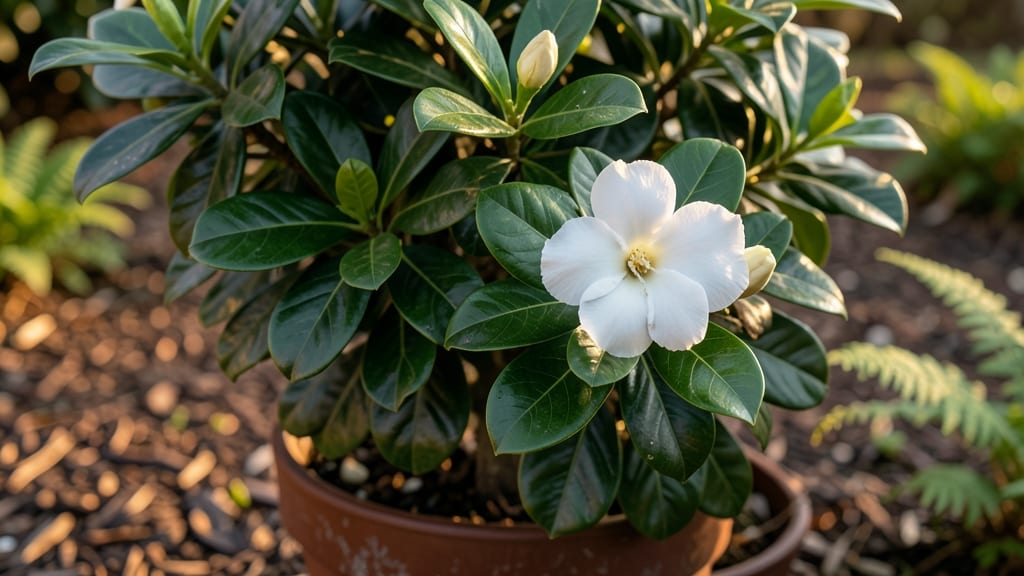
Gardenias grow between 2 and 6 feet tall, depending on the variety and care you provide—so choosing the right type for your space is the first step to success.
Picture this: a dwarf gardenia 🌸 tucked into a patio pot, its glossy leaves just brushing your elbow, while a standard shrub stretches toward your porch roof, its intoxicating blooms perfuming the summer air.
The difference in height isn’t just about aesthetics—it’s about where you plant, how you prune, and even the soil you use.
Most gardeners assume all gardenias reach the same towering height, but dwarf varieties stay compact, while standard types can soar.
I’ll break down the exact height ranges for popular varieties, plus the pruning secrets that keep them at your ideal size—whether you want a neat container plant or a privacy hedge.
Ready to pick the perfect gardenia for your garden? You’ll learn how sunlight, soil, and seasonal care influence their growth, so you can nurture a plant that fits your space—and your schedule.

Gardenia height by variety: from dwarf to giant shrubs
Choosing the right gardenia variety depends on your space and vision. Some stay compact enough for containers or small gardens, while others become towering shrubs that define landscapes.
The mature height of your gardenia isn't just about aesthetics—it affects pruning needs, sunlight exposure, and even container size if you're growing potted plants.
Most gardenias fall between 2 to 15 feet at maturity, but the differences between varieties can be dramatic. For example, the dwarf varieties like 'Radicans' stay under 3 feet, while the tallest gardenias, such as 'Veitchii', can reach 15 feet in ideal conditions.
Understanding these variations helps you plan your garden layout and avoid overcrowding.
Below, I’ve organized the most popular gardenia varieties by their mature heights, including rare hybrids and container-friendly types. This guide will help you visualize how each variety grows over time and choose the perfect fit for your garden.
If you're working with limited space, dwarf varieties like 'Radicans' or 'Crest' are ideal for containers or small gardens. These stay under 3 feet, making them perfect for patios, balconies, or even as bonsai-style plants.
Their compact size also means they require less pruning and maintenance compared to their taller counterparts.
For medium-sized gardens, varieties like 'Kleimschmidtiana' or 'Augusta' strike a balance. They grow to 3-5 feet tall, offering a good mix of height and manageability. These are excellent choices for foundation plantings or borders, where you want to add structure without overwhelming the space.
If you're aiming for a dramatic focal point, taller gardenias like 'Veitchii' or 'Fort
How gardenia growth habits affect height and pruning needs
Understanding how gardenias grow is key to managing their height—because these tropical shrubs don't just grow tall on their own. Their root systems spread aggressively in search of nutrients, while their top growth responds directly to pruning habits.
In my experience, gardenias in USDA Zones 8-10 can grow 30% taller than those in cooler climates due to longer growing seasons.
Soil type plays a surprising role too. Gardenias planted in sandy loam (their preferred soil) reach maturity faster than those in clay-heavy ground, where roots struggle to penetrate.
I've seen gardenias in containers grow 2 feet taller in just one season when given the right acidic soil mix (pH 5.0-6.5) and consistent moisture.
Here's the critical factor most gardeners miss: pruning timing. Pruning at the wrong time can stunt growth or trigger excessive legginess. The best time to shape your gardenia is right after flowering, when the plant begins its next growth cycle.
This timing encourages bushier growth rather than tall, spindly stems.
Watch Out for Over-Pruning!
Gardenias hate aggressive pruning—cutting back more than 1/3 of new growth can shock the plant and reduce blooming for the next season. I've seen gardeners prune too hard in spring, only to watch their plants produce half as many flowers that summer. Always use clean, sharp shears and make cuts just above a leaf node.
Seasonal maintenance makes all the difference. In spring, focus on removing dead wood and shaping the plant. During summer, light pruning encourages more blooms, while fall is the time to prepare for winter by reducing leafy growth.
I prune my gardenias in late September to let them harden off before colder weather arrives.
For gardeners in cooler climates (Zones 6-7), winter care is crucial. Mulching around the base with 3-4 inches of pine bark protects roots from freezing temperatures, which can restrict growth the following spring.
I've found that gardenias in protected microclimates (like near south-facing walls) grow 1-2 feet taller than those in exposed areas.
If you're growing gardenias in containers, their height will naturally be 20-30% shorter than in-ground plants due to restricted root space. To maximize growth, choose pots at least 18 inches wide and use a well-draining mix with 20% perlite.
I repot my container gardenias every 2-3 years to refresh the soil and give roots more room to expand.
Remember, the goal isn't just to control height—it's to encourage healthy, blooming growth. With the right balance of pruning, soil care, and seasonal maintenance, you can grow gardenias that fit your space perfectly while still enjoying their intoxicating fragrance and lush foliage. 🌸