
Landscaping
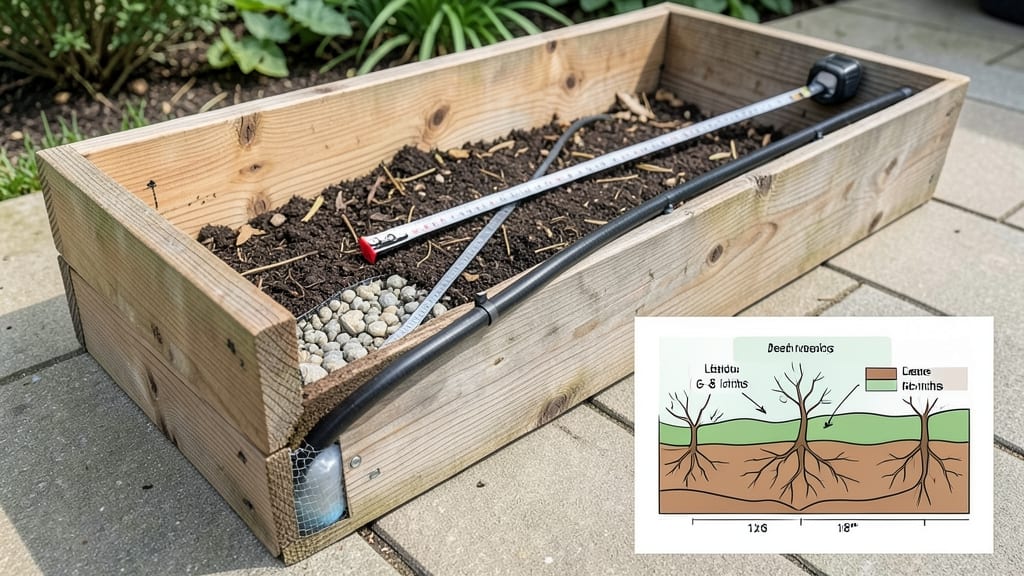
To figure out how tall to make raised garden beds, aim for 12 to 24 inches—this range balances root depth, drainage, and ease of maintenance while keeping costs and materials manageable.
Struggling to decide how tall your raised garden beds should be? The right height isn’t just about aesthetics—it directly impacts root growth, drainage, and even what plants thrive in your space.
Too shallow, and deep-rooted veggies like tomatoes or carrots will suffer. Too tall, and you might waste money on lumber or struggle to reach the center for weeding.
Most gardeners stick with 12 to 18 inches for vegetables, giving roots plenty of room without overbuilding. But flowers or shallow-rooted herbs can thrive in beds as low as 6 inches, saving space and materials. The key is matching your height to your plants’ needs—and your own comfort.
In this guide, I’ll break down the ideal heights for different crops, how to optimize drainage and accessibility, and when to break the rules for custom solutions. Whether you’re a beginner or a seasoned gardener, getting the height right makes all the difference for a thriving 🌱 raised garden bed.

Ideal raised garden bed height by plant type and root depth requirements
Choosing the right height for your raised garden beds isn't just about convenience—it's about giving your plants the root space they need to thrive. Shallow-rooted herbs like basil and thyme only require 6–12 inches of soil, while deep-rooted vegetables like tomatoes or carrots demand 18+ inches to grow properly.
Getting this wrong can stunt growth or even kill your plants before they mature.
Most gardeners start with a 12-inch minimum for general use, but the truth is more nuanced. The root depth of your plants dictates the soil volume you need, and that directly translates to how tall your bed should be.
For example, a 6-foot-long bed filled with 12 inches of soil gives you only 4.5 cubic feet of growing space—barely enough for a single tomato plant.
Here’s a quick guide to help you match your bed height to your plants’ needs:
| Plant Type | Root Depth | Minimum Bed Height | Examples |
|---|---|---|---|
| Shallow-rooted herbs | 3–6 inches | 6–12 inches | Basil, thyme, parsley, cilantro |
| Leafy greens | 6–12 inches | 10–14 inches | Lettuce, spinach, kale, Swiss chard |
| Medium-rooted veggies | 12–18 inches | 14–18 inches | Peppers, bush beans, radishes, beets |
| Deep-rooted crops | 18–36 inches | 20–24 inches | Tomatoes, potatoes, carrots, asparagus |
| Flowers & perennials | Varies (6–24 inches) | 12–24 inches | Marigolds, lavender, daylilies, hostas |
For shallow-rooted plants like lettuce or radishes, a 10–12 inch bed works perfectly. These plants focus their energy on producing leaves or small roots near the surface, so extra depth is unnecessary.
However, if you’re growing deep-rooted vegetables like sweet potatoes or artichokes, aim for 24 inches or more to avoid root binding—a condition where roots circle the bed instead of spreading outward.
Pro tip: If you’re growing a mix of plants, consider layering your beds. For example, place shallow-rooted herbs in the top 6 inches of soil and deeper-rooted crops like tomatoes in the lower layers.
This maximizes space without sacrificing growth potential. Just be mindful of competition for nutrients—heavy feeders like tomatoes can outcompete lighter plants.
Another critical factor is soil volume. A 4x8-foot bed filled with 12 inches of soil provides 16 cubic feet of space, while the same bed with 24 inches of soil doubles that to 32 cubic feet.
This extra volume helps retain moisture and nutrients, especially in hot, dry climates where water evaporates quickly. For container gardening, even deeper beds (up to 36 inches) can be ideal for tree saplings or large shrubs.
Don’t forget that drainage plays a role too. Beds taller than 18 inches may need drainage holes or a gravel layer at the bottom to prevent waterlogging. Poor drainage can suffocate roots and invite root rot, especially in clay-heavy soils.
If you’re unsure, start with a 12-inch bed and adjust upward based on your plants’ needs.
Lastly, think about accessibility. Taller beds (up to 30 inches) reduce bending and strain on your back, making gardening easier as you age.
But if you’re growing shallow-rooted plants, a 6–10 inch bed might be all you need—just ensure it’s wide enough (at least 2 feet) for easy access from all sides.
Experiment with different heights in your garden, and don’t be afraid to customize based on what you’re growing. The right bed height isn’t just about the plants—it’s about creating a sustainable, productive space that works for you and your garden’s unique needs. 🌱
How tall should raised beds be for drainage, accessibility, and soil quality?
Choosing the right height for your raised garden beds isn’t just about fitting your plants—it’s about creating the perfect environment for root growth, drainage efficiency, and easy maintenance.
Too low, and you’ll struggle with weed invasion and poor soil retention; too high, and you might waste materials or create watering challenges. Let’s break down the practical considerations to help you decide.
The minimum height for most raised beds is 6 inches, but this only works for shallow-rooted plants like lettuce or radishes. For vegetables like tomatoes, carrots, or potatoes, you’ll need at least 12 inches of soil depth to accommodate their root systems.
If you’re growing deep-rooted perennials or fruit trees, consider heights up to 24–30 inches.
Raised Bed Height: Pros and Cons
Pros of Taller Beds (18–30 inches)
- Better drainage: Elevates beds above ground level, preventing waterlogging.
- Reduced weeds: Higher edges block weed seeds and make hand-pulling easier.
- Ergonomic access: Ideal height for bending, planting, and harvesting without strain.
- Warmer soil: Deeper beds heat up faster in spring, extending growing seasons.
Cons of Taller Beds (18–30 inches)
- Material costs: Requires more lumber or bricks, increasing construction expenses.
- Drying soil: Deeper beds can dry out faster, needing more frequent watering.
- Weight concerns: Heavier when filled with soil; may need sturdier supports.
- Overbuilding risk: Excessive height may not benefit shallow-rooted plants.
For accessibility, aim for a bed height of 18–24 inches—this keeps your hands at a comfortable level while sitting or standing. If you have mobility challenges, consider wheelchair-accessible beds at 30–36 inches, though this may require additional support structures.
Always ensure the height aligns with your planting goals; for example, strawberries thrive in shallower beds (6–12 inches) but need good airflow.
Soil quality retention is another key factor. Taller beds hold more soil, which means better moisture retention and nutrient stability over time. However, if your bed is too deep, the bottom layers may become compacted or anaerobic, harming root health.
To avoid this, use a mix of compost, permaculture soil, and organic matter to keep the soil loose and fertile throughout.
Common mistakes include underestimating root space (e.g., planting asparagus in a 6-inch bed) or overbuilding for shallow crops like green onions. Always research your plants’ mature root depth and adjust accordingly.
For example, squash and cucumbers need at least 12 inches, while bush beans can thrive in just 8–10 inches.
Pro tip: If you’re unsure, start with a 12-inch bed—it’s versatile enough for most vegetables and herbs while keeping costs and maintenance manageable. You can always expand later if you take up deep-rooted crops or perennials. Happy planting! 🌱