
How To
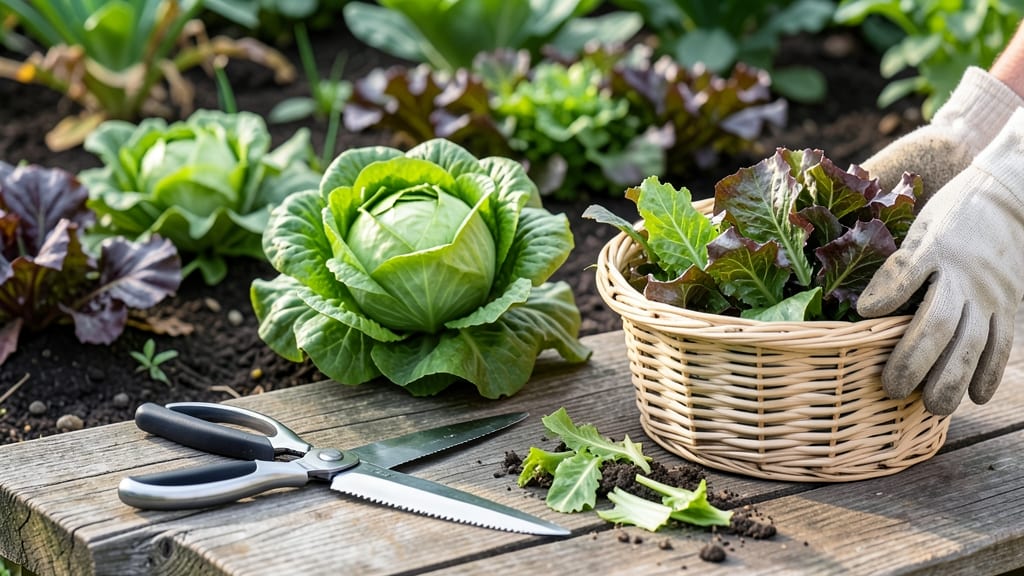
Harvesting lettuce from your garden at the right time saves you from tough, bitter greens and wasted effort.
Picture this: you’ve nurtured your 🥬 for weeks, only to pull a head that’s either too small or so tough it might as well be leather. The key to crisp, flavorful lettuce lies in knowing when to cut—and how to do it without sacrificing future harvests.
Timing matters more than you’d think. Leaf lettuce, like butterhead or romaine, can be harvested in stages, while head varieties need a single, precise cut. Miss the window, and you’ll end up with bolting plants or leaves that taste like disappointment.
In this guide, I’ll walk you through the exact signs to watch for, the best tools to use, and how to trim for regrowth—so you can enjoy fresh, tender lettuce all season long.


When to harvest lettuce for maximum freshness and regrowth
Timing your lettuce harvest correctly ensures you enjoy crisp, tender leaves instead of bitter, tough greens. Different varieties mature at different rates, so knowing when to cut is key.
For leaf lettuce, like romaine or butterhead, you can start harvesting as early as 25 days after planting, while head lettuces may take up to 60 days to reach full maturity.
The secret lies in watching for visual cues like leaf size and texture rather than relying solely on days since planting.
Seasonal timing also plays a crucial role. In spring and fall, lettuce thrives in cooler temperatures, making these the ideal seasons for planting and harvesting.
If you plant in late summer, expect faster growth due to longer daylight hours, but be prepared to harvest quickly before the heat triggers bolting. Understanding these seasonal shifts helps you plan ahead for a steady supply of fresh lettuce.
Here’s a quick reference to help you identify the perfect harvest window for your lettuce variety:
| Variety | Days to Maturity | Harvest Signs | Best Season | Regrowth Tip |
|---|---|---|---|---|
| Leaf Lettuce (e.g., Romaine, Butterhead) | 25-45 days | Outer leaves 4-6 inches long, crisp texture | Spring, Fall | Cut outer leaves, leave inner leaves to regrow |
| Head Lettuce (e.g., Iceberg, Crisphead) | 50-60 days | Firm head, vibrant color, no flower stalks | Spring, Fall | Harvest entire head at once |
| Loose-Leaf (e.g., Oakleaf, Red Sails) | 30-50 days | Leaves 3-5 inches, tender and flavorful | Spring, Summer (with shade) | Snip individual leaves as needed |
For leaf lettuce varieties, like romaine or butterhead, you can start harvesting as soon as the outer leaves reach 4-6 inches in length. This method allows you to enjoy fresh greens while encouraging the plant to produce more leaves.
The key is to avoid cutting into the inner leaves, which are still growing. By leaving the center intact, you give the plant a chance to regrow, extending your harvest window by several weeks.
Romaine lettuce, for example, is best harvested when the leaves are fully elongated and the head is tight but not overly mature. If you wait too long, the leaves will become tough and bitter, ruining the flavor.
Similarly, butterhead lettuce should be harvested when the head is soft and pliable, usually around 45 days after planting. These varieties are more delicate, so handle them with care to avoid bruising.
Head lettuces, like iceberg or crisphead, require a different approach. These varieties form a compact head and should be harvested all at once when fully mature. Look for a firm, vibrant head with no signs of bolting or yellowing leaves.
If you notice the center starting to loosen or flower stalks emerging, it’s time to harvest immediately. Waiting too long will result in a woody texture and diminished flavor.
Seasonal adjustments are essential for successful lettuce harvesting. In spring, lettuce grows quickly in cooler temperatures, so you can expect a faster harvest cycle.
Planting in late summer for a fall harvest works well in many climates, but be mindful of heat stress, which can cause lettuce to bolt prematurely. To mitigate this, provide afternoon shade and keep the soil consistently moist to encourage slower, steadier growth.
If you’re growing lettuce in containers or small spaces, focus on cut-and-come-again varieties like loose-leaf or romaine. These types thrive when you harvest the outer leaves and allow the inner leaves to continue growing.
This method not only extends your harvest but also maximizes your yield from limited space. Just be sure to water thoroughly after harvesting to help the plant recover and produce new growth.
One common mistake gardeners make is harvesting lettuce too late in the season. As temperatures rise, lettuce plants may bolt, sending up flower stalks and making the leaves bitter. To avoid this, monitor your plants closely and harvest before signs of bolting appear.
If you notice the center leaves turning yellow or the plant stretching upward, it’s time to pick what you can and enjoy it while it’s still fresh.
For a continuous supply of lettuce, consider succession planting. By sowing new seeds every 2-3 weeks during the growing season, you can ensure a steady harvest. This technique works especially well for leaf lettuce varieties, which can be harvested multiple times over several weeks.
With the right timing and care, you’ll enjoy fresh, crisp lettuce straight from your garden all season long.
Step-by-step lettuce harvesting techniques to prevent bitterness
Harvesting lettuce at the wrong time or with the wrong technique can turn your crisp, sweet greens into bitter, tough leaves overnight. The key to maintaining that perfect tender texture and mild flavor lies in understanding when and how to harvest.
Whether you're growing leaf lettuce for continuous cuts or head lettuce for a single harvest, these techniques will keep your greens delicious.
Bitterness in lettuce often stems from stress—whether it's over-maturity, heat stress, or poor cutting techniques. By following these steps, you'll avoid common mistakes like harvesting during the hottest part of the day or using dull tools that crush leaves.
The right approach ensures your lettuce stays crisp, flavorful, and ready to eat for weeks.
How to Harvest Lettuce from Garden
-
Step 1: Choose the Right Time
Harvest leaf lettuce in the morning when temperatures are cool (50-70°F). For head lettuce, wait until the head is fully formed but still firm. -
Step 2: Select Your Tools
Use a sharp knife or clean pruning shears to avoid tearing leaves. A basket or tray helps collect harvests without bruising. -
Step 3: Cut Leaf Lettuce Properly
For continuous harvests, snip outer leaves at the base, leaving the inner growth point intact. Aim for leaves 4-6 inches long for optimal regrowth. -
Step 4: Harvest Head Lettuce Whole
Grip the base of the head firmly and twist or cut 1 inch above the soil to avoid damaging the roots. This ensures a clean break and prevents bitterness from stress. -
Step 5: Store Immediately
Place harvested lettuce in a plastic bag with a paper towel to absorb moisture. Store in the crisper drawer of your fridge for up to 7-10 days. -
Step 6: Post-Harvest Care for Regrowth
Water the soil deeply after harvest and apply a light mulch to retain moisture. Avoid fertilizing for 1-2 weeks to let the plant recover.
One of the biggest mistakes gardeners make is harvesting lettuce during the peak heat of the day. When temperatures rise, lettuce can develop bitter compounds as a defense mechanism.
Always harvest in the early morning when leaves are hydrated and cool. This simple habit can make all the difference in flavor.
Another common error is using dull tools that crush or tear leaves. A sharp knife or clean scissors ensures a clean cut, reducing stress on the plant and preventing bitterness.
If you notice your lettuce leaves becoming yellow or wilted after cutting, it’s a sign you’re harvesting too aggressively or at the wrong time.
For leaf lettuce varieties like romaine or butterhead, you can often encourage multiple harvests by cutting outer leaves and leaving the inner growth point. This method extends your harvest season by 3-4 weeks and keeps your greens tender.
Just remember to never remove more than 1/3 of the plant at once to avoid shocking the roots.
After harvesting, proper post-harvest care is crucial. Rinse your lettuce in cool water to remove dirt, then pat dry gently with a clean towel. Store it in a sealed container with a paper towel to absorb excess moisture, which can cause spoilage.
With these techniques, your lettuce will stay crisp and delicious for weeks to come. 🥬