
How To
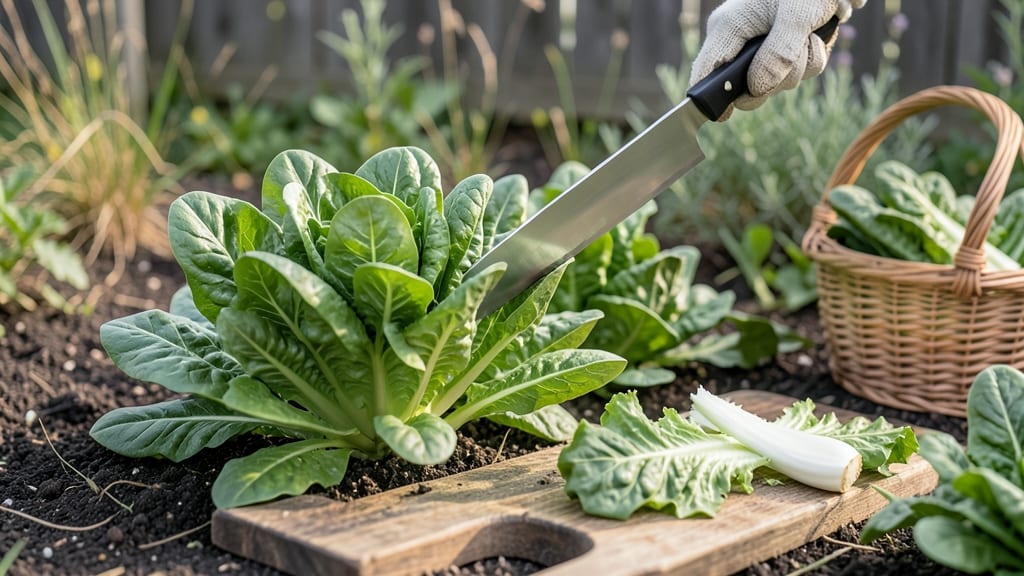
To harvest romaine lettuce from your garden at its peak, aim for leaves that reach 8–12 inches—that’s when they’re crisp, tender, and packed with flavor.
There’s nothing quite like biting into crisp, homegrown romaine lettuce—except maybe the frustration of waiting too long to harvest it. Knowing the exact moment to pick your lettuce ensures maximum flavor, texture, and regrowth potential.
Romaine 🥬 thrives when harvested early, before it bolts or turns bitter. Cutting outer leaves first lets the inner ones keep growing, giving you a steady supply all season long.
In this guide, I’ll walk you through the perfect timing, the right tools, and how to store your harvest so it stays fresh longer—no wasted effort or sad, wilted leaves.


When and how to harvest romaine lettuce at peak freshness
Harvesting romaine lettuce at the right moment transforms your garden into a crisp, flavorful salad factory. The ideal harvest window occurs when leaves reach 8–12 inches tall, a sweet spot where flavor and texture peak.
At this stage, the outer leaves are fully mature while the inner core remains tender for continued growth.
Romaine thrives on precision—wait too long, and you risk bolting (flowering) or bitterness from heat stress. Early harvesting (under 6 inches) means sacrificing flavor and yield. The key is balancing leaf size, weather conditions, and plant maturity to ensure every bite is perfect.
Understanding the two main harvest methods—cut-and-come-again and full-head harvest—will maximize your yield. The cut-and-come-again technique preserves the plant for multiple harvests, while full-head harvesting is ideal for larger, restaurant-quality lettuce. Both require timing and technique to avoid damaging the plant.
| Harvest Method | Ideal Leaf Size | Best Weather | Regrowth Potential | Tools Needed |
|---|---|---|---|---|
| Cut-and-Come-Again | 6–12 inches (outer leaves) | Cool mornings (50–75°F) | High (3–4 harvests) | Sharp scissors or knife |
| Full-Head Harvest | 10–14 inches (tight head) | Mild days (60–70°F) | None (plant dies) | Pruning shears or knife |
🌱 Pro Tip: Always harvest in the morning for crispest texture and best flavor.
Weather plays a critical role in harvest timing. Ideal conditions include cool mornings (50–75°F) and mild afternoons (under 80°F). Heatwaves trigger bolting, causing lettuce to flower prematurely and develop bitter, inedible leaves.
If your plants start forming seed stalks, they’re past their prime—harvest immediately or compost them to avoid spreading seeds.
Look for deep green, crisp leaves that form a tight head. The outer leaves should be fully elongated (8–12 inches), while the inner leaves remain tender. Gently squeeze the head—if it feels firm and snaps cleanly when bent, it’s ready.
Soft or mushy lettuce signals overwatering or disease, while loose heads mean it’s underripe.
For cut-and-come-again harvesting, snip the outer leaves at the base, leaving the inner core intact. This method extends the harvest season by 3–4 weeks while maintaining plant health.
Always use sharp scissors or a knife to avoid crushing stems, which invites rot. Never remove more than 1/3 of the plant at once.
When harvesting a full head, cut the entire plant 1 inch above the soil line to encourage any remaining side shoots. Rinse immediately in cool water to remove dirt, then store in a plastic bag with a paper towel to absorb moisture.
This keeps romaine crisp for up to 5 days in the fridge—a far cry from store-bought wilt.
Overharvesting is a common mistake that stunts growth. If you strip too many leaves, the plant may bolt or produce small, bitter regrowth. Space harvests 7–10 days apart in spring/fall and avoid harvesting in extreme heat (above 85°F).
Succession planting every 2 weeks ensures a steady supply without overstressing individual plants.
Signs of overmaturity include yellowing leaves, loose heads, or flower stalks. If you spot these, harvest what’s edible immediately—romaine won’t improve after bolting. For long-term success, mulch around plants to retain moisture and protect roots from temperature swings, which can trigger premature bolting.
Step-by-step harvesting techniques for maximum yield
Harvesting romaine lettuce at the right time and with the right technique ensures you get crisp, flavorful leaves while encouraging your plants to keep producing. The key is to cut leaves cleanly without damaging the base, so your lettuce can regrow for weeks.
I’ve learned that even a small mistake—like pulling leaves instead of cutting—can stress the plant and shorten its harvest window.
You’ll need just a few tools: a pair of sharp pruning shears or a clean kitchen knife with a serrated edge (never dull tools—they crush leaves). Work on a dry morning after the dew has evaporated but before the sun gets too hot.
This timing reduces stress on the plant and keeps your lettuce crisp and fresh. Always harvest when leaves reach 8–12 inches tall, as this is when they’re at peak flavor and texture.
- 1 Choose outer leaves first: Select the largest, outer leaves to harvest, leaving the inner core intact. This method encourages regrowth and extends your harvest by 3–4 weeks.
- 2 Make a clean cut: Hold the leaf firmly and cut it 1–2 inches above the base at a 45-degree angle. This prevents water from pooling on the stem, reducing rot risk.
- 3 Avoid tearing leaves: Never pull leaves—this damages the plant and invites pests. If a leaf resists cutting, it’s likely too young. Wait until it reaches 6–8 inches for easier harvests.
- 4 Harvest full heads last: If you’re growing romaine for full heads (not cut-and-come-again), wait until the entire head is firm and upright. Cut the head off at the base with a single, clean motion.
- 5 Post-harvest care: After harvesting, water the base lightly to reduce stress. Avoid fertilizing immediately—wait 3–5 days to let the plant recover before applying a balanced fertilizer.
If you notice your romaine lettuce bolting (sending up a tall flower stalk), it’s a sign you waited too long to harvest. Bolting makes leaves bitter and tough, so always prioritize harvesting when leaves are 8–12 inches tall.
For best results, I harvest every 2–3 days during peak growth, which keeps the plant productive and prevents overcrowding.
Store harvested romaine in a plastic bag with a paper towel in the fridge. This setup keeps it crisp for up to 7–10 days. If you’re growing in containers, be extra gentle—smaller plants have less stability, and rough handling can uproot them.
Always harvest in the morning for the freshest taste and longest shelf life.
Pro tip: If your lettuce starts to yellow or wilt after harvesting, it’s often due to overwatering or heat stress. Mulch around the base with straw to retain moisture and protect roots from temperature swings.
With the right technique, you can enjoy a steady supply of homegrown romaine for months! 🥬