
Diseases
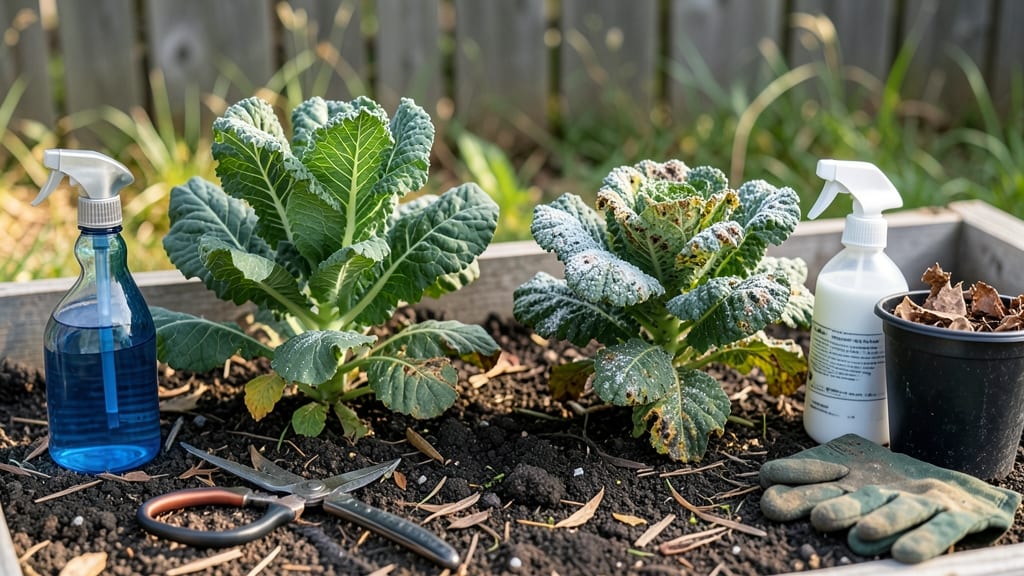
Removing fungus from your garden starts with the right approach—because those unsightly spots and powdery coatings won’t vanish with just water and hope.
Picture this: You’ve spent hours nurturing your 🌱 General Garden Plants in Zone 6a, only to wake up one morning and find leaves spotted with black or covered in a fuzzy white residue. That’s fungus talking—and it’s time to respond before it spreads.
The good news? You don’t need harsh chemicals to win this battle. With a few targeted organic treatments, you can restore your garden’s health without disrupting the ecosystem.
Below, I’ll walk you through three copper-free methods to tackle leaf spots, mildew, and rust—plus how to keep fungus from creeping back. No guesswork, just proven steps that work for both your veggie patch and flowering shrubs. Let’s get your plants back to their vibrant best.
You’ll learn how to mix everyday household ingredients into powerful sprays, when to apply them for maximum effect, and the one critical habit that prevents 90% of future outbreaks. Ready to reclaim your garden?
Identifying common garden fungi and their organic removal methods
Fungal infections can turn your thriving garden into a battleground overnight. Powdery mildew, leaf spots, rust, and blight are the most common culprits, each leaving distinct clues about their presence. Recognizing these signs early is key to stopping their spread before they devastate your plants.
Start by examining leaves for white powdery coatings—a telltale sign of powdery mildew. This fungus thrives in humid conditions and often appears on roses, cucumbers, and squash. Meanwhile, leaf spots manifest as brown or black patches, sometimes with yellow halos, commonly affecting tomatoes, peppers, and beans.
Rust fungi create orange or reddish pustules on leaf undersides, often found on raspberries, beans, and ornamentals. Finally, blight causes rapid leaf wilting and dark, mushy spots, devastating potatoes, tomatoes, and eggplants. Each requires a targeted organic approach to eliminate.
Organic treatments like neem oil, baking soda, and hydrogen peroxide are your best allies. These solutions disrupt fungal growth without harming beneficial insects or soil microbes. The key is acting quickly—once spores spread, containment becomes far more challenging.
For powdery mildew, a weekly baking soda spray works wonders. Mix 1 tablespoon baking soda, 1 quart water, and 1 tablespoon horticultural oil in a spray bottle.
Apply in the early morning to avoid burning leaves. This alkaline solution disrupts the fungus’s cell walls while being safe for most plants.
When dealing with leaf spots, hydrogen peroxide is a game-changer. A 3% hydrogen peroxide solution diluted 1:1 with water kills fungal spores on contact. Spray directly on affected areas every 5-7 days until the spots disappear. Always test a small leaf first to ensure compatibility.
Rust fungi respond well to neem oil, a natural fungicide and insect repellent. Combine 2 tablespoons neem oil with 1 gallon water and a dash of soap as a surfactant. Apply in the evening to prevent leaf burn, repeating every 10-14 days until new growth appears.
For blight, act fast with a potassium bicarbonate solution. Mix 1 tablespoon potassium bicarbonate, 1 quart water, and a drop of soap. Spray thoroughly on both leaf surfaces every 5 days until the infection stops spreading. Remove and destroy severely infected plant debris immediately.
Prevention is just as critical as treatment. Improve air circulation by spacing plants properly and pruning crowded foliage. Water at the base of plants in the morning to keep leaves dry. Mulch with straw or wood chips to reduce soil splashing onto leaves, a common fungus transmission route.
With these organic methods, you can eliminate fungus without resorting to harsh chemicals. Consistency is key—stick to your treatment schedule and monitor plants closely for recurrence. Your garden’s health depends on your proactive approach!
Step-by-step guide: 3 organic fungus removal techniques for leaf spots
Leaf spots caused by fungus can turn your vibrant garden into a sad, spotty mess—but you don’t need toxic chemicals to fight back. I’ve tested three effective organic treatments that work on roses, tomatoes, and even houseplants.
The key is acting fast and applying these solutions correctly. Let’s dive into the step-by-step process for each method, so you can save your plants without harming the environment.
Before you start, remove infected leaves immediately to stop the spread. Wear gloves and dispose of them in the trash—not the compost—since fungus can survive composting. Now, let’s tackle those leaf spots with natural solutions you likely already have at home.
🌱 Step-by-Step Organic Fungus Removal
-
1
Hydrogen Peroxide Spray (3% Solution)
- Mix 1 part 3% hydrogen peroxide with 3 parts water in a spray bottle.
- Spray affected leaves and stems thoroughly, focusing on undersides of leaves where spores hide.
- Reapply every 7–10 days until spots disappear (usually 2–3 treatments).
-
2
Neem Oil Mixture (Fungicidal & Preventative)
- Combine 1 tbsp neem oil, 1 tsp mild soap, and 1 quart water. Shake well.
- Spray all plant surfaces, including soil around the base (but avoid direct sunlight for 12 hours after application).
- Use every 2 weeks during active growth or weekly if humidity is high.
-
3
Baking Soda Solution (Quick Fix for Early Stages)
- Dissolve 1 tbsp baking soda, 1 tsp vegetable oil, and 1 quart water. Add a drop of soap to help it stick.
- Spray directly on spots and surrounding foliage. Avoid hot sunny days to prevent leaf burn.
- Apply every 5–7 days until fungus clears (usually 1–2 weeks).
Timing matters! Apply these treatments early in the morning or late afternoon to avoid leaf burn from sunlight. If rain is forecasted within 24 hours, wait to reapply—water can wash away the protective layer.
For container plants, soak the soil lightly before spraying to help the roots absorb the benefits.
Consistency is key. Fungus loves to return if you stop treatment too soon. I recommend monitoring plants for 4–6 weeks after the last application to ensure the fungus stays away. If spots reappear, rotate between hydrogen peroxide and neem oil to prevent resistance. Your garden will thank you!
Once your plants are fungus-free, focus on preventing future outbreaks by improving airflow, avoiding overhead watering, and choosing resistant plant varieties. A little effort now saves hours of cleanup later!