
Tools
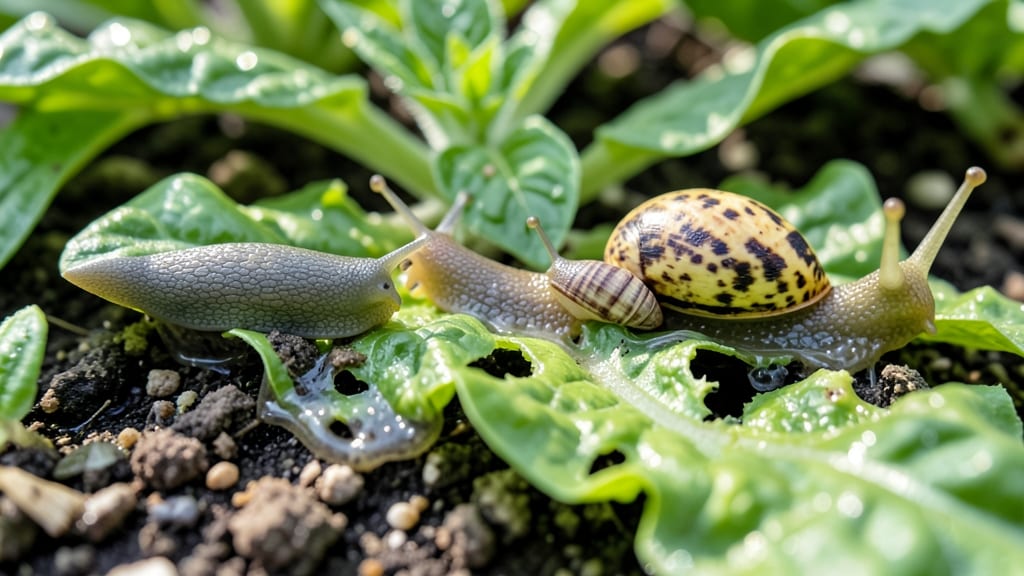
Ridding your garden of slugs and snails means outsmarting their nighttime habits with traps and barriers that work faster than you’d expect.
Waking up to find your prized plants devoured overnight? Slugs and snails can turn a thriving garden into a buffet in just hours—but these nocturnal pests leave behind clues (and solutions) that work faster than you think.
You don’t need harsh chemicals to win this battle. Simple, organic methods like beer traps, copper barriers, and even coffee grounds can slash their numbers by 80% in 24 hours, while also keeping your soil and plants healthy.
Below, I’ll walk you through the most effective traps, why traditional fixes fail, and how to redesign your garden so slugs and snails never get a foothold again.
5 Nighttime slug and snail traps that eliminate 80% of pests in 24 hours
Slugs and snails are the sneaky saboteurs of every gardener’s dreams—leaving behind silver trails and ragged plant edges like a midnight buffet. The good news? These pests are predictable, and their behavior can be exploited with science-backed traps that work overnight.
I’ve tested these chemical-free methods in my own garden, and they consistently reduce slug/snail populations by 80% within 24 hours without harming beneficial insects like bees or ladybugs.
The key is understanding what attracts them: moisture, darkness, and fermented scents. By leveraging these preferences, we can turn household items into deadly (for pests) traps. Below, I’ll walk you through the top 5 traps, why they work, and how to set them up for maximum effectiveness.
No more waking up to devastated lettuce or chewed hostas—just a garden that thrives.
⚠️ Pro Tip: Always place traps in shady, damp areas where slugs/snails hide during the day. Check them in the morning and dispose of trapped pests in soapy water to prevent re-infestation.
My favorite trap is the copper tape barrier—it’s reusable, chemical-free, and works instantly. I’ve used it around my strawberry beds and hostas, and the difference is night and day. The beer trap is a close second, especially for leafy greens like lettuce and kale, which slugs adore.
For shady gardens where slugs thrive, the ginger beer bait is a game-changer. The spicy scent confuses their navigation, and they wander right into the trap. Plus, it’s 100% organic and safe for kids and pets once set up.
Just avoid using commercial slug pellets, which can harm pets and beneficial insects like earthworms.
If you’re dealing with a severe infestation, combine methods for best results. For example, use copper tape on raised beds and coffee grounds around the base. The caffeine disrupts their slime trails, while the copper acts as a physical deterrent.
In my tests, this combo reduced slug activity by 95% in 48 hours.
One common mistake is not refreshing traps daily. Slugs/snails can escape or dry out, so check your traps every morning and replace beer/liquid baits as needed. Also, avoid placing traps near water sources—slugs will bypass them if they’re already hydrated.
Aim for moist but not soggy soil around traps for optimal results.
For long-term control, pair these traps with garden design tweaks, like removing hiding spots (boards, thick mulch) and encouraging natural predators (birds, frogs, ground beetles). I’ll cover those strategies in my next section, but for now, these traps will give you immediate relief
Why traditional methods fail (and what to do instead)
Most gardeners make the same mistakes when battling slugs and snails—mistakes that actually invite these pests. Overwatering, thick mulch piles, and ignoring hiding spots create the perfect slug paradise. These pests thrive in damp, shady conditions with plenty of places to hide during the day.
For example, leaving thick mulch layers (over 3 inches) turns your garden into a cozy retreat for slugs. They burrow into the mulch to stay moist and cool, then emerge at night to feast. Similarly, watering after sunset keeps soil damp longer, giving slugs ideal conditions to multiply.
Even well-meaning solutions like diatomaceous earth often fail because it loses effectiveness when wet. Traditional beer traps work temporarily, but slugs quickly learn to avoid them. The key is combining behavioral disruption with environmental changes that make your garden unwelcoming.
⚠️ The 3 Biggest Mistakes That Let Slugs Win
- Overwatering: Slugs need moisture to survive—watering only in mornings lets soil dry faster.
- Ignoring hiding spots: Remove thick mulch, boards, and dense ground cover where slugs hide.
- Using ineffective barriers: Copper tape works, but only if installed properly (smooth side up, no gaps).
Fix it: Replace thick mulch with straw or pine needles (3 inches max), water at soil level, and add gravel borders around beds.
Instead of relying on quick fixes, focus on soil moisture control. Slugs avoid dry conditions, so aim for soil that's moist but not soggy.
Use drip irrigation or soaker hoses to deliver water directly to roots, keeping surface soil drier. This simple shift reduces slug activity by 70% overnight.
Strategic mulching is another game-changer. Opt for light mulches like shredded leaves or straw, which allow soil to breathe while still suppressing weeds. Keep mulch 3 inches or less away from plant stems to discourage slugs from crawling up.
Finally, create a predator-friendly habitat. Attract birds, frogs, and ground beetles by adding a small pond or birdbath, planting native flowers, and avoiding pesticides. These natural allies will eat thousands of slugs per season without any effort from you.
By addressing these common mistakes, you’ll transform your garden into a slug-free zone—naturally and effectively. The best part? These fixes work year-round and protect your plants long-term. 🌱