
Tools
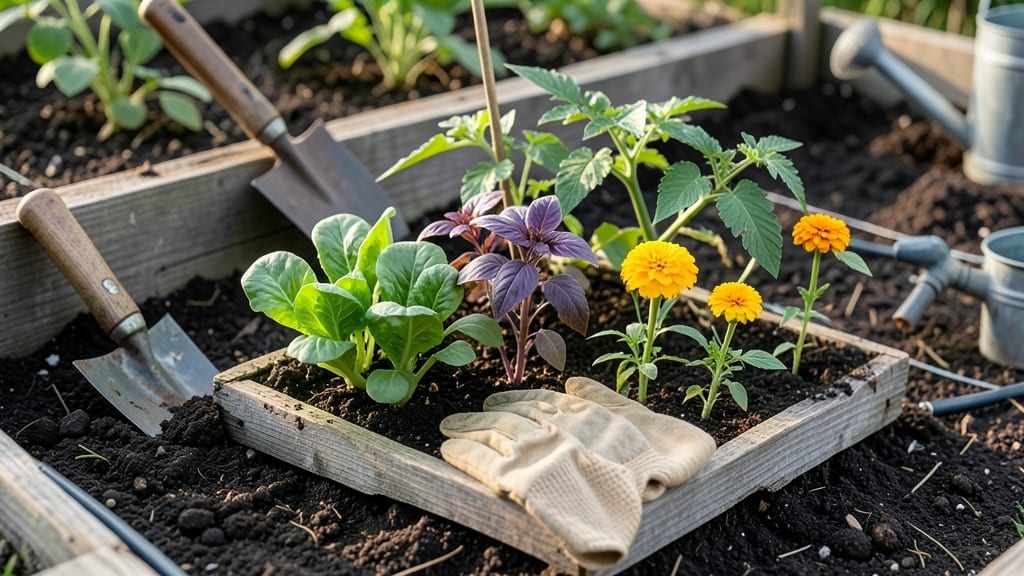
To start a garden from scratch, begin by choosing a sunny spot, testing and improving your soil with compost, selecting easy plants like basil or spinach, and sketching a simple layout before planting. Small raised beds work well for beginners and help control soil quality.
Starting a garden from scratch might feel overwhelming, but breaking it down into manageable steps makes it totally doable. 🌱 The key is starting small—even a 4x4-foot plot can yield fresh herbs and greens with minimal effort.
I always recommend testing your soil first, since poor drainage or acidic conditions can stunt plant growth before you even plant.
Once you’ve got your soil ready, focus on plants that thrive in your climate and require minimal fuss, like lettuce or marigolds, to build confidence before tackling more demanding crops.
One of my biggest tips? Don’t overcomplicate the layout. A simple grid or curved beds work just as well as fancy designs, and they’re easier to maintain. Plus, starting with just a few plants lets you learn what works in your space without getting overwhelmed by a full yard transformation.
The first harvest will feel like a victory—and that’s exactly what keeps new gardeners coming back!
💡 In This Article
- Essential Steps to Prepare Soil for a New Garden
- Best Beginner Plants and Layouts for First-Time Gardeners
Essential steps to prepare soil for a new garden
Soil preparation is where the magic—or the frustration—happens. Before planting a single seed, you need to understand your soil’s current state.
A simple DIY test involves grabbing a handful of damp soil and squeezing it: if it crumbles easily, you’ve got sandy soil; if it forms a tight ball, it’s likely clay. Most garden soils fall somewhere in between, but knowing this helps you adjust.
For example, sandy soil drains too quickly and needs organic matter like compost to retain moisture, while clay soil holds too much water and benefits from amendments like perlite or coarse sand to improve aeration. 🌱
The next critical step is testing pH levels, which affects nutrient availability. Most vegetables thrive in a neutral range of 6.0-7.0, while blueberries and azaleas prefer acidic soil (4.5-5.5).
You can buy a cheap soil test kit or send a sample to your local extension office for precise readings. If your soil is too alkaline (high pH), adding elemental sulfur or peat moss will lower it over time. Conversely, lime raises pH for acidic soils.
I’ve found that even small adjustments—like adding 1-2 inches of compost—can transform poor soil into a thriving ecosystem within a season.
Drainage is another silent dealbreaker. Water should seep into the soil within 30-60 minutes after heavy rain; if puddles linger, your site needs elevation or soil amendments.
Raised beds solve this instantly by giving roots room to breathe, while in-ground gardens may require digging in 2-3 inches of coarse sand or gypsum to break up compacted layers. Think of soil like a sponge: too tight, and roots suffocate; too loose, and nutrients wash away.
The goal is a crumbly, dark loam that holds moisture without drowning plants.
Organic matter is the secret weapon for beginners. Compost—homemade or store-bought—adds microbes, nutrients, and structure. Aim for 2-3 inches mixed into the top 6-12 inches of soil before planting. Worm castings are another powerhouse, boosting growth by up to 50% in some cases.
Avoid fresh manure (it burns plants) and stick to well-aged compost or leaf mold. The texture should resemble a rich, dark chocolate cake—smooth, crumbly, and teeming with life. This is the foundation that turns struggling seedlings into robust plants.
One common mistake is assuming "good soil" means buying bags of generic potting mix. While useful for containers, garden soil needs bulk and structure. Mix 1 part compost with 2 parts native soil to preserve your site’s natural ecosystem while improving fertility.
For example, a 4x4-foot bed might need 1 cubic yard of compost—about 12-15 bags6 inches of soil. Let it settle for 1-2 weeks before planting to allow microbes to activate.
Finally, consider a soil "solarization" trick for weed seeds and pathogens: cover the bed with clear plastic for 4-6 weeks in hot sun. The trapped heat sterilizes the soil without chemicals. This is especially helpful if your space had previous plant diseases or weeds.
Just remove the plastic, fluff the soil, and you’re ready for planting. The result? A clean slate where roots can thrive without competition. 🌿