
Fertilization
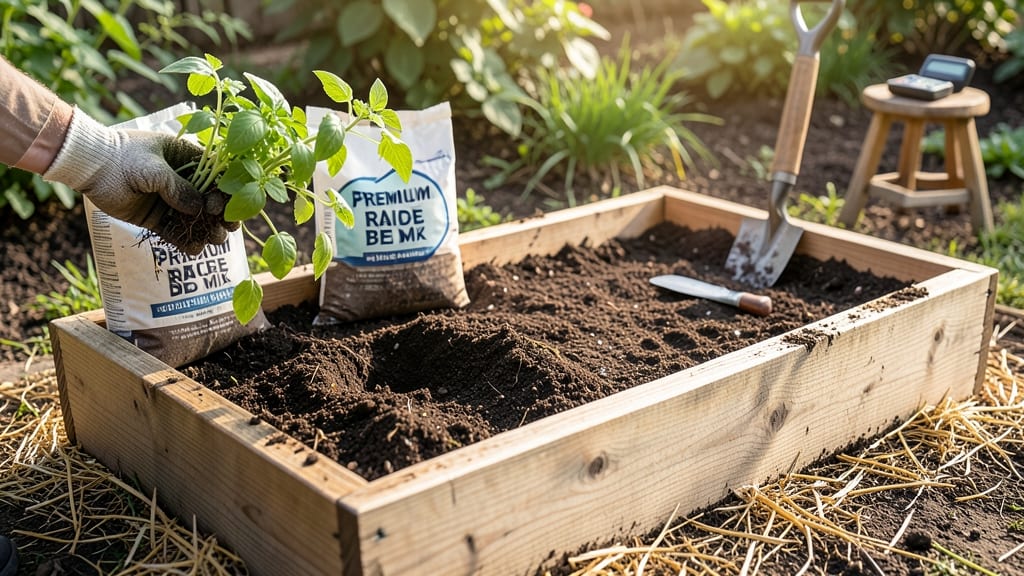
You can use garden soil in raised beds, but it requires caution: unprocessed soil often contains dormant weed seeds, harmful pathogens, and compacted layers that hinder root growth and drainage. To minimize risks, sterilize or amend it before planting.
Garden soil from your yard may seem like a free resource, but its untested nature can turn your raised beds into a battleground for weeds and diseases. 🌱 The biggest culprits are weed seeds that lie dormant for years, waiting for the right conditions to sprout—often outcompeting your desired plants.
Pathogens like fungi or bacteria can also hitchhike in, creating long-term soil health issues that even healthy plants struggle to overcome. I’ve seen raised beds where garden soil was used directly, only for the plants to wilt or fail despite proper watering.
To make garden soil work safely, combine it with sterilization methods like baking in an oven (300°F for 30 minutes) or solarization (covering with clear plastic for 4-6 weeks). Layering it with compost, coconut coir, or perlite improves aeration and nutrient balance while diluting potential contaminants.
The key is transforming raw garden soil into a controlled growing medium that supports—not sabotages—your plants.
💡 In This Article
- Weed Seed and Disease Risks in Garden Soil for Raised Beds
- How to Safely Use Garden Soil in Raised Bed Mixes
Weed seed and disease risks in garden soil for raised beds
Garden soil often contains dormant weed seeds that can remain viable for 5-10 years or longer, depending on conditions. These seeds lie in wait until disturbed by tilling or planting, then germinate rapidly—often outcompeting your desired crops for sunlight, water, and nutrients.
For example, common weeds like crabgrass or chickweed can produce thousands of seeds per plant, turning a single handful of garden soil into a weed factory. 🌱 The problem worsens in raised beds because the contained soil has no natural predators (like insects or larger plants) to control weed populations.
Pathogens are another hidden danger. Fungal diseases like Phytophthora or bacterial infections such as Pseudomonas can lurk in garden soil, thriving in moist conditions. These microbes attack plant roots, causing rot or wilting that even healthy-looking plants can't recover from.
For instance, Fusarium wilt, a soil-borne fungus, can devastate tomato crops within weeks of planting. The risk isn't just immediate—these pathogens persist in the soil, degrading its quality over time and making future plantings more difficult.
Compacted soil layers further complicate the issue. Garden soil often contains clay or organic matter that settles unevenly, creating dense pockets that restrict root growth and water drainage. Roots struggle to penetrate these layers, leading to stunted plants or poor nutrient uptake.
In raised beds, this problem is magnified because there's no natural soil turnover from earthworms or rainfall to break up compaction. Without intervention, your plants may develop shallow root systems, making them more susceptible to drought or wind damage.
Even if your garden soil looks fertile, its untested nature can introduce long-term soil degradation. For example, high salt content from decomposed organic matter can accumulate over time, harming beneficial microbes. The result?
A raised bed that starts strong but gradually becomes a battleground for weeds, diseases, and poor plant performance. This is why many gardeners report initial success with garden soil—only to face declining yields or persistent pest problems in subsequent seasons.
Consider this real-world scenario: A gardener uses garden soil directly in a raised bed for tomatoes, only to see the plants thrive for the first month before wilting suddenly. Upon investigation, they discover Verticillium wilt, a fungal disease introduced through the soil.
The damage is irreversible, and the bed must be rebuilt entirely. This highlights why sterilization or amending garden soil isn't optional—it's a necessity for long-term success. 🌿