
Tools
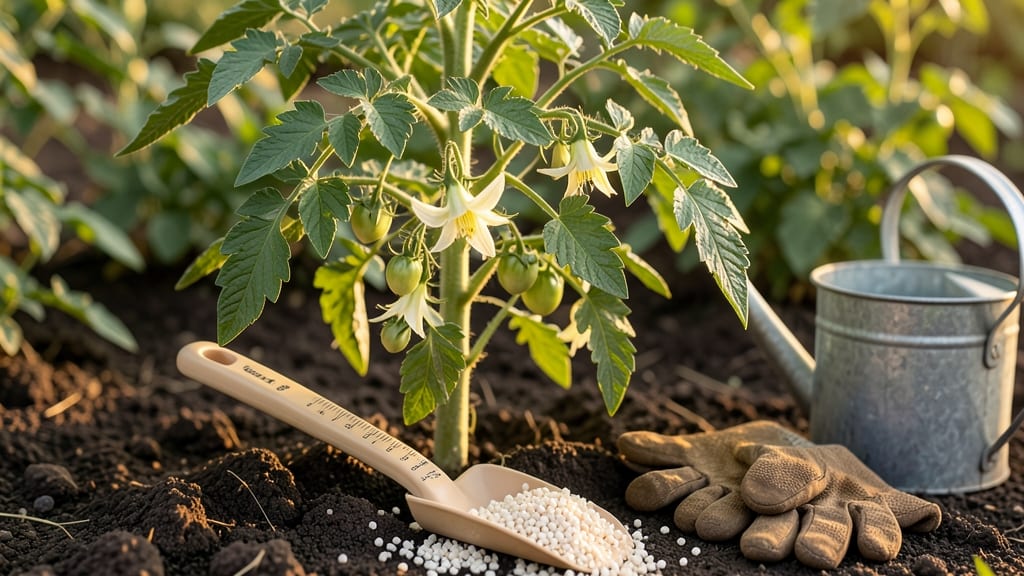
What is bone meal and how does it improve root growth?
If you've ever wondered why some plants thrive while others struggle to take root, the answer might lie in your soil's phosphorus levels. Bone meal is a powerhouse fertilizer made from finely ground animal bones, packed with nutrients that directly fuel root development and flowering.
Unlike synthetic fertilizers, bone meal breaks down slowly, releasing nutrients over time for steady plant growth.
At its core, bone meal contains 10-15% phosphorus, along with smaller amounts of calcium and trace minerals. The phosphorus content is what makes it so effective for roots—this nutrient plays a critical role in cell division and energy transfer within plants.
Without enough phosphorus, roots grow weak, stunted, or fail to establish properly, especially in nutrient-poor soils.
The calcium in bone meal also strengthens cell walls, helping roots resist disease and pests. This combination makes bone meal ideal for seedlings, bulbs, and root crops that need a strong foundation to grow.
Unlike nitrogen-heavy fertilizers, which promote leafy growth, bone meal shifts energy toward below-ground development—exactly what struggling plants need.
One common misconception is that bone meal is just for flowering plants. While it does boost blooms, its primary benefit is root growth. For example, tomatoes, carrots, and roses all respond dramatically to bone meal because their root systems demand high phosphorus levels.
Even fruit trees benefit when planted with a pre-mixed bone meal soil amendment.
Here’s how bone meal compares to other fertilizers:
- Compost adds organic matter but lacks concentrated phosphorus.
- Blood meal is high in nitrogen, not phosphorus.
- Superphosphate provides phosphorus but lacks calcium and organic benefits.
Bone meal’s slow-release nature means it won’t burn plants like synthetic fertilizers. However, it’s not a quick fix—results take 4-6 weeks as the granules break down. For best results, apply it 2-4 weeks before planting or when transplanting seedlings.
🌱
To maximize bone meal’s benefits, always mix it into the soil rather than applying it on top. A common mistake is using too much, which can lead to phosphorus buildup and soil imbalances.
For most gardens, 1-2 tablespoons per plant or ½ cup per 10 square feet is sufficient. Overapplication won’t speed up growth—it just wastes fertilizer.
Bone meal also improves soil structure by encouraging beneficial microbes. These microbes help break down organic matter, making more nutrients available to roots. Think of it as a double boost: direct nutrition for plants and indirect benefits for soil health.
For container gardens, reduce the dosage to ½ tablespoon per 5-inch pot since space is limited. Always water thoroughly after application to help the granules dissolve and distribute evenly. Avoid using bone meal on acid-loving plants like blueberries or azaleas, as it can raise soil pH over time.
One final tip: Store bone meal in a cool, dry place to prevent clumping. If you notice mold or a strong ammonia smell, discard it—this indicates spoilage. Fresh bone meal should have a neutral, earthy scent with no unpleasant odors.
🪴
Step-by-step guide: applying bone meal for maximum root growth
Bone meal is a powerhouse for root development and flowering plants, but improper use can harm your garden. The key lies in timing, application method, and dosage.
Unlike quick-release fertilizers, bone meal works slowly—so patience and preparation are essential. I’ll walk you through my proven process for unlocking its full potential without overdoing it.
Before diving in, test your soil’s pH—bone meal thrives in slightly acidic to neutral soil (6.0–7.0). If your soil is alkaline, the phosphorus in bone meal becomes less available.
For best results, apply it 2–4 weeks before planting or when transplanting phosphorus-hungry plants. This gives roots time to access the nutrients without burning tender foliage.
How to Use Bone Meal in Your Garden
-
Step 1: Choose the Right Bone Meal
Opt for steamed bone meal (organic, safe for edibles) or unsteamed (higher phosphorus, but not for food crops). Avoid synthetic blends unless labeled for organic use.
-
Step 2: Prepare the Soil
Loosen the top 6–8 inches of soil with a fork or tiller. Mix in 1–2 inches of compost to improve nutrient absorption and soil structure.
-
Step 3: Apply the Correct Dosage
For planting: 1–2 tbsp per plant or ½ cup per 10 sq ft of garden bed.
For side-dressing: Sprinkle 1 tbsp around mature plants (e.g., tomatoes, roses) and lightly scratch into soil. -
Step 4: Incorporate Gently
Use a hand fork or rake to mix bone meal into the top 2–3 inches of soil. Avoid deep tilling—phosphorus binds to soil particles and becomes less available if buried too deep.
-
Step 5: Water Thoroughly
Apply ½ inch of water to activate the fertilizer and help roots access nutrients. Repeat every 2–3 weeks during the growing season for continuous growth.
-
Step 6: Monitor and Adjust
Watch for dark green leaves and vigorous root growth. If plants develop purple stems (phosphorus deficiency) or yellowing leaves (overuse), adjust future applications.
Pro Tip: Store bone meal in a cool, dry place to prevent clumping. Wear a dust mask when handling—it’s organic but can irritate lungs.
Timing is everything with bone meal. For spring planting, apply it in early spring (March–April) to give roots a head start. If you’re planting fall crops like garlic or cover crops, add it in late summer (August–September).
Avoid applying bone meal in winter—soil microbes are dormant, and nutrients won’t activate.
One of my favorite uses for bone meal is transplanting seedlings. Mix a 1 tbsp per gallon of potting soil when repotting or transplanting. This gives young roots an immediate phosphorus boost, reducing transplant shock.
For container gardens, use ½ tsp per 5-inch pot and reapply every 3–4 months.
Remember, bone meal isn’t a quick fix. Its effects take 4–6 weeks to appear fully. Pair it with compost and mulch for balanced nutrition, and avoid overusing it—too much can lead to soil nutrient imbalances or even root burn in sensitive plants like blueberries.
With the right approach, bone meal will transform your garden into a root powerhouse, yielding healthier plants and bigger blooms. Start small, follow the steps, and watch your plants thrive! 🌱