
Tools
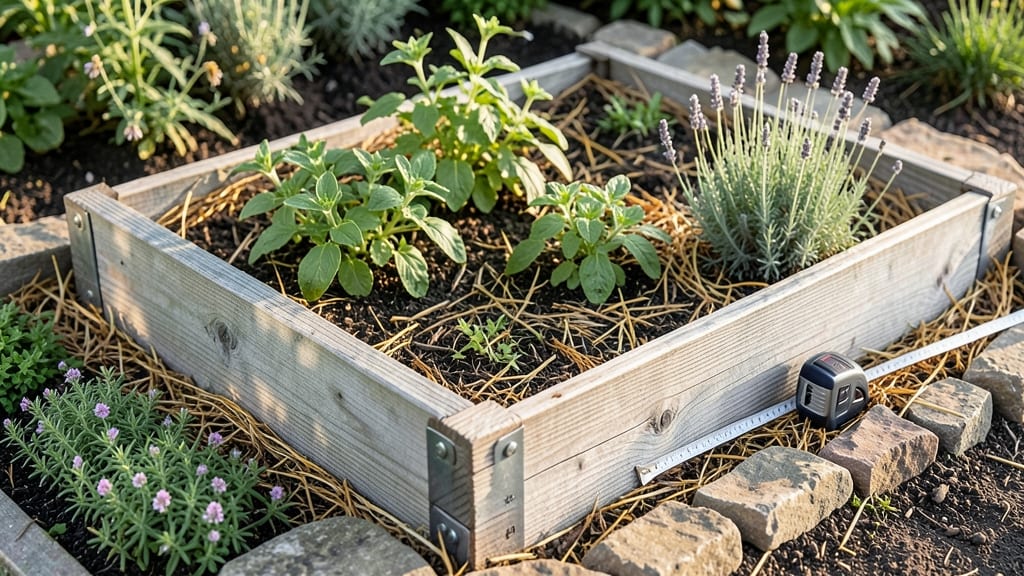
The ideal garden bed height is between 6 to 12 inches to optimize drainage, root growth, and soil stability while preventing waterlogging and erosion. This height range promotes healthier plants and simplifies maintenance.
The 6- to 12-inch height range strikes the perfect balance for most plants by allowing roots to spread freely while keeping soil loose and well-aerated. 🌱 Shallow beds (<6 inches) often struggle with moisture retention, while deeper beds (>12 inches) can become waterlogged or require excessive soil amendments.
I’ve found that this height works particularly well for vegetables like tomatoes and peppers, which thrive with deep but not overly dense soil.
For dry climates, slightly taller beds (9–12 inches) help retain moisture longer, while wet regions benefit from the lower end (6–9 inches) to prevent over-saturation. Adding compost or organic matter can further customize soil conditions based on your specific bed height and plant needs.
💡 In This Article
- How Garden Bed Height Affects Root Systems and Soil Health
- Choosing the Right Garden Bed Height for Your Plants and Climate
How garden bed height affects root systems and soil health
The 6- to 12-inch height range for garden beds is scientifically optimized for root development because it matches the natural growth patterns of most plants. Roots need space to expand downward for stability and sideways for nutrient absorption.
A 6-inch bed provides enough depth for shallow-rooted plants like lettuce or radishes, while 12-inch beds accommodate deep-rooted varieties like tomatoes or carrots. The extra height also allows roots to access deeper moisture reserves during dry spells, reducing stress on plants.
Soil aeration becomes a critical factor at these elevations. In beds taller than 12 inches, the bottom layers can become compacted over time, restricting oxygen flow to roots. This compaction reduces microbial activity—those tiny soil organisms that break down organic matter and release nutrients.
Conversely, beds shorter than 6 inches dry out too quickly, forcing roots to compete aggressively for limited moisture. The 6-12-inch range maintains an ideal balance where soil remains loose enough for air circulation while retaining adequate moisture.
The height also influences moisture retention through capillary action. In 6-inch beds, water evaporates faster due to increased surface area relative to volume, while 12-inch beds retain moisture longer by reducing exposure to air.
This is why taller beds work better in arid climates—water penetrates deeper and stays available for longer periods. The soil structure in this height range also prevents erosion, as the sides act as natural barriers against heavy rain or wind.
Let’s break down the science: The top 6 inches of soil contain the highest concentration of organic matter and beneficial microbes, while deeper layers provide structural support. When you build a bed in this range, you’re essentially creating a self-sustaining ecosystem where roots can access both nutrients and stability.
For example, a 10-inch bed might have 4 inches of nutrient-rich topsoil and 6 inches of well-draining subsoil, perfect for most vegetables.
One common mistake is assuming taller always means better. Beds over 12 inches can become waterlogged, especially in clay-heavy soils, because water has nowhere to drain quickly enough. The solution? Amend the soil with compost or perlite to improve drainage while maintaining the height benefits.
This approach keeps the soil loose, aerated, and full of life—exactly what your plants need to thrive.
For visual clarity, imagine a cross-section of your garden bed: The top layer (2-4 inches) is where most roots and microbes live, while the middle (4-8 inches) provides structural support.
The bottom (8-12 inches) acts as a moisture reservoir. This layered system ensures roots have access to everything they need without overcrowding or waterlogging.