
Pests
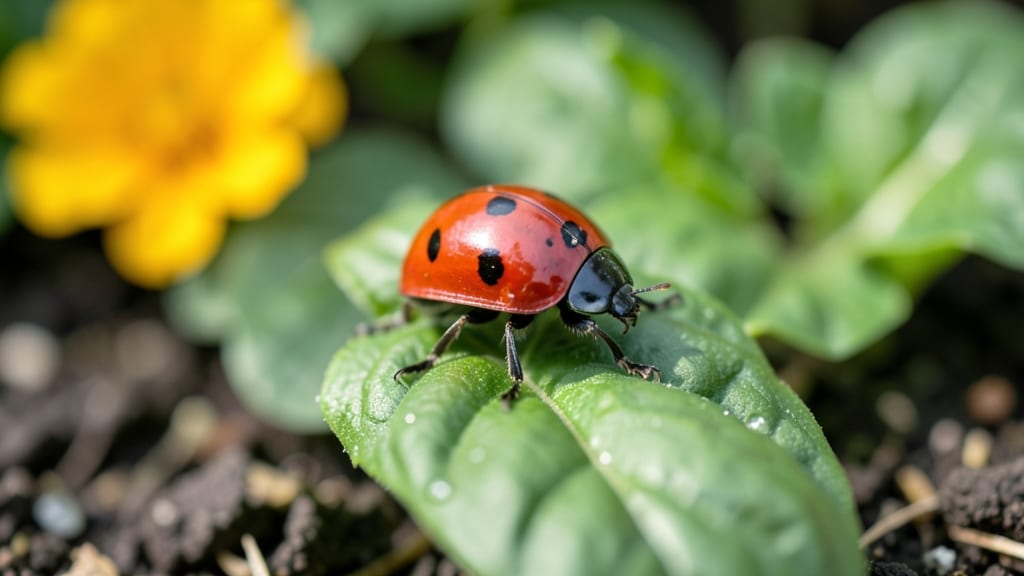
Mastering insects in garden identification is the first step to protecting your plants—and your patience—from unseen threats.
Struggling to tell whether that tiny speck on your leaves is a helpful ladybug or a destructive aphid? Misidentifying them can mean the difference between a thriving garden and one that’s slowly being eaten alive.
The good news? With a few key traits—size, color, and behavior—you can quickly spot the troublemakers and the allies.
From chewed leaves to sticky sap, each insect leaves behind clues about what’s happening in your garden. Below, I break down the most common garden insects, their damage patterns, and how to tell friend from foe at a glance.
Ready to become a garden detective? You’ll learn how to spot the worst offenders, encourage the beneficial ones, and take action before your plants pay the price.
How to identify common garden insects by appearance and behavior
Identifying insects in your garden starts with understanding their physical traits and behavioral patterns. Many gardeners confuse similar-looking pests, like aphids and ladybug larvae, but small differences in body shape or color can reveal their true identity.
Learning these distinctions helps you decide whether to protect or remove them from your plants.
Pay attention to body shape, size, and coloration—these are your best tools for quick identification. For example, beetles have hard, rounded shells, while caterpillars are soft-bodied and worm-like.
Observing where they live and what they eat also provides clues. Let’s break down the most common garden insects you’ll encounter.
Start with aphids, tiny green or black insects that cluster on new plant growth. They’re soft-bodied and often leave a sticky residue called honeydew. In contrast, ladybug larvae look nothing like their adult counterparts—they’re spiky and orange-black striped, actively hunting aphids. This
Garden pest damage patterns: what each insect actually does to your plants
Every garden tells a story through its leaves, stems, and soil—and insects are the authors. Chewed edges, sticky residue, or tunnels in stems aren’t just random damage; they’re calling cards left by specific pests. Learning to read these patterns helps you act fast before your plants suffer.
For example, aphids leave behind a honeydew trail, while caterpillars create jagged holes in foliage. Even wilting plants can signal hidden sap-suckers draining nutrients.
Some insects cause immediate, visible destruction like Japanese beetles, which skeletonize leaves, while others work silently underground. Grubs munch on roots, and borers tunnel into stems, creating weak entry points for disease.
The key is matching the damage to the culprit. I’ll walk you through the most common patterns and which insects leave them behind, so you can stop guessing and start protecting your garden.
Sap-sucking insects like aphids and whiteflies don’t just leave sticky trails—they weaken plants by blocking nutrient flow. Look for curled leaves or black sooty mold growing on honeydew. Meanwhile, chewing insects such as beetles and caterpillars leave behind jagged edges or entire missing sections. The damage pattern often reveals the pest’s identity faster than spotting the insect itself.
Don’t overlook underground damage. Grubs and root maggots create brown, mushy roots or plants that topple easily. Check for frass (insect droppings) near the base of stems. If you find tunnels or hollow stems, borers are likely at work.
These pests can kill plants overnight, so act quickly by removing affected stems or applying systemic insecticides.
Even beneficial insects can cause confusion. For example, lacewings leave lace-like eggs on leaves, but their larvae are harmless predators. Always confirm the insect’s role before intervening. Use a magnifying glass to inspect damage closely—sometimes the clues are microscopic but critical to saving your garden.
Start by examining your plants weekly for these patterns. The sooner you identify the damage, the sooner you can target treatments and protect your garden’s health. Keep a journal of what you find—it’ll help you spot trends and prevent future outbreaks.