
Tools
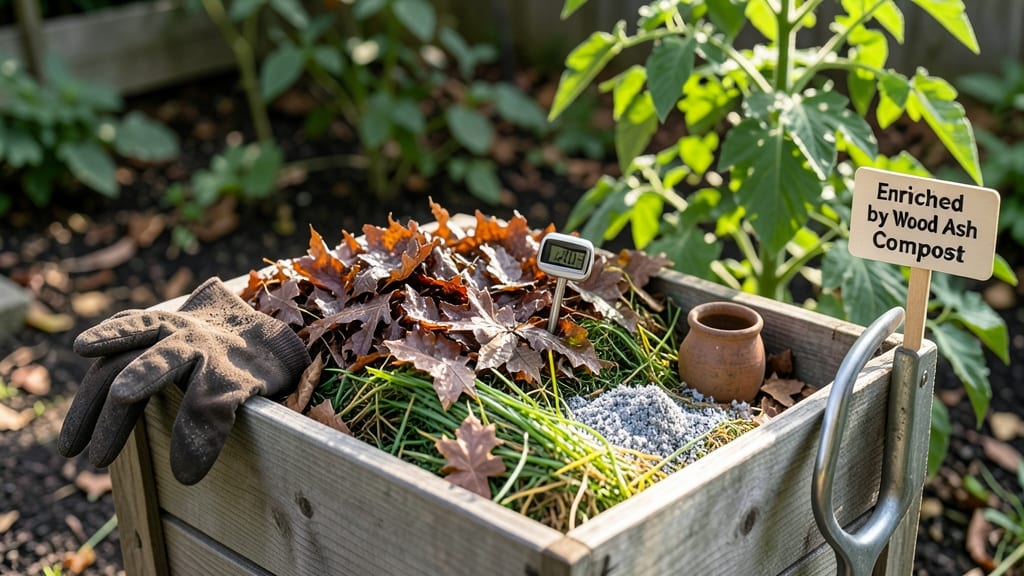
Firewood ash is good for a garden by raising soil pH naturally, making it especially useful for acidic soil types, but applying too much may increase alkalinity beyond healthy levels or introduce harmful salts. Always use it sparingly and check soil pH first.
Firewood ash works as a natural soil amendment because it contains essential minerals like potassium and calcium, which help balance soil chemistry. 🌱 For plants that thrive in slightly alkaline conditions—such as tomatoes, peppers, and blueberries—it can be a game-changer, but overdoing it risks creating an environment that’s too harsh for sensitive plants.
I recommend spreading a thin layer (about 1-2 pounds per 100 square feet) and mixing it into the top inch of soil rather than piling it on top.
Before adding ash, test your soil’s pH to avoid unintended consequences. Most garden soils benefit from a pH between 6.0 and 7.0, and ash can quickly push levels above that range.
If your soil is already neutral or alkaline, skip the ash entirely—there are safer ways to boost nutrients, like compost or organic fertilizers. Think of ash as a targeted tool, not a one-size-fits-all solution.
💡 In This Article
- How Firewood Ash Affects Soil Chemistry and Plant Growth
- Safe Ways to Use Firewood Ash in Garden Soil
How firewood ash affects soil chemistry and plant growth
The magic of firewood ash lies in its chemical makeup. When wood burns, it leaves behind a residue rich in potassium (K), calcium (Ca), and magnesium (Mg), along with trace amounts of phosphorus and sulfur.
These minerals are plant superfoods—potassium strengthens cell walls, calcium supports root development, and magnesium fuels photosynthesis. But the real game-changer is how ash raises soil pH by neutralizing acidity.
Think of it like adding a pinch of baking soda to tangy lemonade—it balances the flavor, but too much turns it bitter.
Here’s the science: Ash contains carbonates and hydroxides that react with acidic soil components, like aluminum and hydrogen ions, to form neutral salts. This reaction can shift soil pH from 5.0 (acidic) to 7.0 (neutral) or even higher, depending on how much ash you use.
For plants like blueberries or azaleas, which crave acidic soil (pH 4.5-5.5), ash is a no-go—it’ll stress them out. But for vegetables like tomatoes or peppers, which prefer slightly alkaline soil (pH 6.0-7.0), a light dusting can work wonders.
The key is precision: too little does nothing, and too much turns your garden into a basic wasteland.
Overapplication risks more than just pH swings—it can also cause salt buildup in the soil. High concentrations of soluble salts draw moisture out of plant roots through a process called osmotic shock, essentially dehydrating them from the inside.
You’ll spot this in wilting leaves or stunted growth, even when the soil looks moist. 🌱 This is why I always recommend spreading ash thinly (like a light snowfall) and mixing it into the top inch of soil rather than piling it in clumps.
A little goes a long way, and patience is key.
Not all ash is created equal, either. Softwoods like pine produce ash with higher calcium content, while hardwoods like oak yield ash richer in potassium. If you’re using ash from treated wood (like pressure-treated lumber), skip it—those chemicals can poison your plants.
Always stick to untreated, seasoned hardwood for the safest results. The texture of ash is also important: fine, powdery ash mixes into soil easily, while coarse chunks can create uneven pH pockets.
To see the effects firsthand, try this: Sprinkle 1 pound of ash per 100 square feet around your tomatoes and monitor the soil pH over a month. If the leaves look healthier and the soil test shows a slight pH rise, you’re on the right track.
But if the edges of leaves turn brown or growth slows, you’ve overdone it. The goal is harmony—ash is a tool, not a cure-all.
For a visual guide, imagine ash working like a natural lime substitute. Just as garden lime (calcium carbonate) raises pH gradually, ash does the same—but with added potassium. The difference? Ash’s effects are faster and more intense, which is why testing soil before and after application is non-negotiable.
Think of it as tuning your garden’s chemistry: a little tweak here, a careful adjustment there.