
Tools
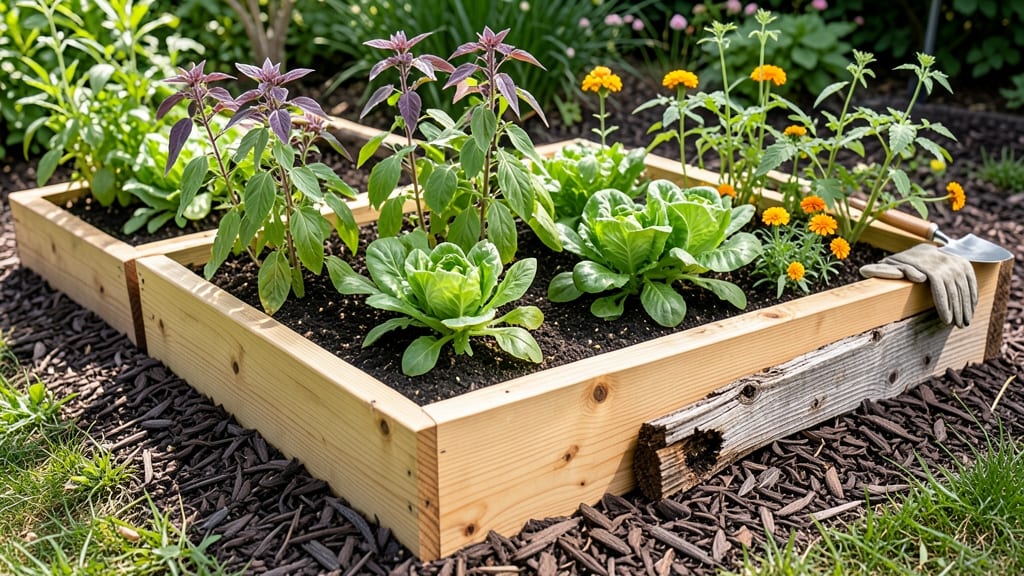
Treated wood in raised garden beds offers long-lasting strength but demands smart choices to avoid chemical risks, with ACQ or MCQ-treated lumber being the safest for edible gardens once properly cured and shielded from direct soil contact.
When you're building raised beds, the right wood treatment can mean the difference between a sturdy, long-lasting frame and one that risks contaminating your soil. 🌱 Most pressure-treated lumber uses chemicals like chromated copper arsenate (CCA), which is now banned for residential use—but safer alternatives exist.
ACQ (alkaline copper quaternary) and MCQ (micronized copper quaternary) treatments break down more slowly, making them better options for vegetable gardens. The key is ensuring the wood has fully cured (typically 6-12 months) before planting, and using liners or landscape fabric to create a barrier between the wood and soil.
This approach lets you enjoy the benefits of treated wood without compromising your harvest's safety.
For those concerned about chemical exposure, cedar or redwood are excellent natural alternatives, though they may require more frequent maintenance. If you stick with treated wood, always check for third-party certifications like the American Wood Protection Association (AWPA) stamp, which confirms the treatment meets safety standards.
The extra effort pays off with beds that last 10-15 years while keeping your garden thriving.
💡 In This Article
- How Chemical Treatments in Wood Affect Soil and Plant Health
- Best Practices for Safely Using Treated Wood in Vegetable Gardens
How chemical treatments in wood affect soil and plant health
Wood preservatives work by embedding toxic compounds into the wood's cellular structure to prevent fungal decay and insect damage. The most common treatments—CCA (chromated copper arsenate), ACQ (alkaline copper quaternary), and MCQ (micronized copper quaternary)—each contain different chemical cocktails with varying toxicity profiles.
CCA, now banned for residential use, releases arsenic, chromium, and copper, which can leach into soil at concentrations exceeding 0.1 parts per million (ppm)—a threshold linked to reduced plant growth and soil microbial activity.
Copper, while essential in trace amounts, becomes harmful at 50-100 ppm, disrupting root respiration and nutrient uptake in sensitive crops like lettuce and carrots.
ACQ and MCQ treatments use copper and organic biocides instead of arsenic, making them far less toxic. Studies show these treatments leach copper at rates of 0.01-0.05 ppm per year, well below harmful levels for most plants.
The key difference lies in how these chemicals bind to wood fibers: ACQ's alkaline environment creates stable copper complexes that resist leaching, while MCQ's micronized particles provide prolonged protection.
Over 5-10 years, even ACQ-treated wood typically releases less than 1% of its copper content, making it safer for edible gardens when properly cured.
The real danger comes from direct soil contact, where moisture accelerates chemical release. Roots absorb water—and any dissolved preservatives—through osmosis, with shallow-rooted plants like strawberries or herbs being most vulnerable.
Soil microbes, which break down organic matter, are particularly sensitive to copper overload, with populations dropping by 30-50% in contaminated areas. The good news? A 6-inch layer of untreated wood chips or landscape fabric between the wood and soil reduces leaching by 70-80%, creating a protective barrier.
For those growing food crops, the safest approach is to use ACQ or MCQ-treated wood with a 12-month curing period before planting. During this time, the most soluble compounds leach out naturally, reducing initial chemical load.
Even then, avoid planting directly against treated wood—maintain at least 2 inches of clearance from the bed's inner walls. The trade-off is clear: treated wood extends bed lifespan to 10-15 years, but proper precautions ensure your harvest remains uncontaminated.
Visualize the risk levels:
- High Risk: CCA-treated wood in direct soil contact (arsenic/copper leaching)
- Moderate Risk: ACQ/MCQ without curing (copper buildup over time)
- Low Risk: ACQ/MCQ with 12+ months curing + soil barrier (negligible leaching)
For peace of mind, consider third-party certified lumber like Wolf or Keystone brand ACQ-treated wood, which undergo stricter quality controls. The extra cost ($5-$10 per board) pays dividends in safety and longevity.