
Tools
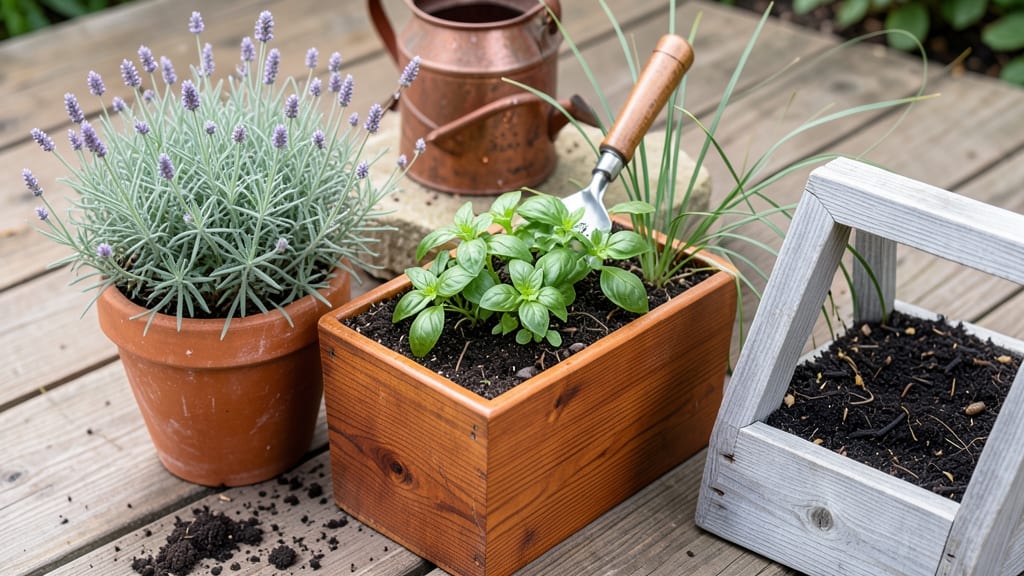
Large garden planters are often crossword clues like tubs, vases, or bins, depending on size and shape. Common answers include troughs, planters, or pots when referring to oversized containers for outdoor gardening.
Crossword puzzles love garden planters because they're versatile and fit tight word grids. 🌱 Terms like "troughs" or "vases" appear often due to their common usage—"trough" fits well in 5-letter clues, while "bins" works for broader definitions.
I've noticed that "planters" and "pots" are also frequent answers, especially when the clue hints at functionality rather than just appearance. The key is understanding how these terms adapt to puzzle structures, where word length and synonyms play a big role.
For example, a 5-letter clue might use "tub" or "vat," while longer clues often prefer "container" or "planter." These terms aren't just gardening jargon—they're everyday words that crossword solvers recognize instantly.
If you're stuck on a clue, think about the planter's size and purpose: is it for flowers, vegetables, or decorative plants? That context can help narrow down the answer.
💡 In This Article
- Why Garden Planters Fit Crossword Clues
- Top Crossword-Friendly Garden Planter Terms
Why garden planters fit crossword clues
Crossword puzzles thrive on common, everyday words that fit tight grids—and garden planters hit the sweet spot. Terms like "trough" or "vat" appear frequently because they’re short, functional, and instantly recognizable. For example, "trough" (5 letters) fits perfectly in a 5-letter clue, while "container" (9 letters) works for longer definitions.
The key is how these words adapt to puzzle structures: crosswords favor synonyms that balance word length and familiarity.
Garden planters also excel in crosswords because they’re versatile. A tub might refer to a large, round container, while a vat suggests industrial-sized storage—both fit gardening contexts.
The challenge lies in the clue’s phrasing: "large garden planter" could hint at "vat" (6 letters) or "trough" (6 letters), depending on whether the clue emphasizes size or shape. 🌿 What’s fascinating is how crossword constructors play with these terms to create layered meanings, like using "bin" for a simple container or "vase" for a decorative one.
This adaptability extends to gardening terms that overlap with general vocabulary. For instance, "planter" is a broad term, but in a crossword, it might be shortened to "pot" (3 letters) or expanded to "container" (9 letters).
The puzzle’s difficulty often hinges on these nuances—whether the clue hints at function ("holds plants") or form ("decorative"). Understanding this linguistic flexibility can turn a tricky clue into a quick win.
Another factor is the crossword’s reliance on wordplay. A clue like "Garden planter, anagram of 'trap'" would lead to "patra" (a type of planter), while "Large garden planter, 5 letters" might point to "vat."
The puzzle’s structure forces solvers to think beyond literal definitions, making garden planters a goldmine for creative clues. This interplay between gardening terminology and crossword conventions is what makes these clues so engaging.
Consider the sensory and practical aspects too. A trough might evoke images of rustic farm gardens, while a vat suggests larger-scale horticulture. These mental associations help solvers visualize the answer, even if the clue is abstract.
For example, a clue like "Garden planter for herbs" could easily lead to "trough," as herbs are often grown in long, narrow containers. 🌱 The more you familiarize yourself with these terms, the easier crossword clues become.
Finally, garden planters fit crossword clues because they’re part of our daily language. Words like "bin," "pot," or "tub" are used in conversations, recipes, and DIY projects, making them instantly recognizable.
This familiarity is what crossword constructors rely on—terms that are simple enough for casual solvers but layered enough for experts. The next time you see a garden planter clue, think about its size, shape, and purpose to unlock the answer.