
Tools
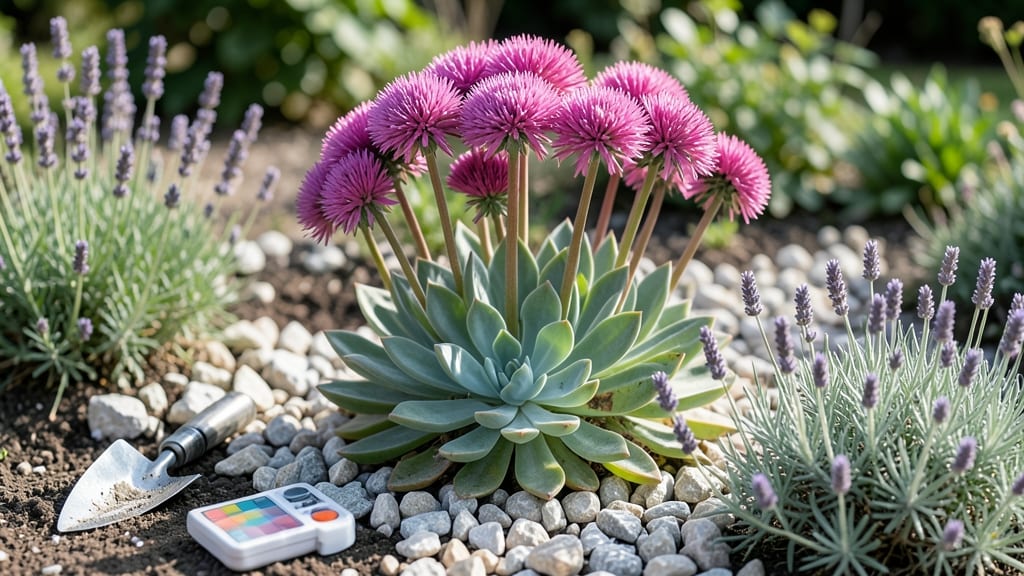
Adding limestone to garden soil helps raise pH levels, creating alkaline conditions that benefit acid-sensitive plants like azaleas, blueberries, and most vegetables. Apply crushed limestone gradually to prevent drastic pH shifts that can harm soil microbes.
Limestone works by reacting with soil acids to neutralize them, which unlocks essential nutrients like phosphorus and calcium that become more available to plants. 🌱 The sweet spot for most garden plants is a pH between 6.0 and 7.5—too acidic or alkaline can stunt growth.
I’ve found that testing soil pH before applying limestone saves time and prevents overcorrection, which can actually harm beneficial soil organisms. For best results, spread a thin layer (about 1/4 to 1/2 pound per 100 square feet) in early spring or fall when soil is moist but not saturated.
While limestone is effective, it’s not the only option—wood ash or oyster shell grit can also raise pH, though they work more slowly. The key is patience: changes in soil chemistry take time, so re-test after 2-3 months to adjust as needed.
Overdoing it can leave your soil too alkaline, making nutrients like iron and manganese unavailable to plants.
💡 In This Article
- How Limestone Adjusts Soil pH and Benefits Plant Growth
- Best Practices for Applying Garden Limestone Safely
How limestone adjusts soil pH and benefits plant growth
Limestone primarily consists of calcium carbonate (CaCO₃), which acts as a natural buffer in soil chemistry. When applied, it reacts with hydrogen ions (H⁺) in acidic soil, converting them into water (H₂O) and carbon dioxide (CO₂) through a neutralization reaction.
This process gradually raises soil pH from acidic (<6.0) toward neutral (7.0) or slightly alkaline levels. The reaction occurs slowly—typically over weeks or months—because limestone dissolves at a controlled rate, preventing sudden pH spikes that could harm plant roots or beneficial microbes.
The buffering effect of limestone means it doesn't just raise pH temporarily; it maintains stability over time. For example, a 10% increase in soil pH (from 5.5 to 6.5) can unlock 2-3 times more phosphorus availability, a critical nutrient for root development and flowering.
Plants like broccoli, cabbage, and carrots thrive in this range, while acid-loving plants such as blueberries (pH 4.5-5.5) may suffer if limestone is overapplied.
The key is precision: too much limestone can create a pH 8.0+ environment, where micronutrients like iron and manganese become locked out, causing yellowing leaves (chlorosis).
Beyond pH adjustment, limestone improves soil structure by adding calcium, which strengthens cell walls in plants and enhances water retention. The coarse texture of crushed limestone also aerates compacted soil, allowing roots to penetrate deeper.
I’ve noticed that gardens amended with limestone develop a firmer, crumbly texture over time, almost like a well-drained loam. This physical change complements the chemical benefits, creating an environment where beneficial fungi (like mycorrhizae) can thrive—though these organisms prefer pH 6.0-7.0, so balance is critical.
Not all limestone is equal: agricultural-grade limestone is finely ground (90% passing through a 10-mesh screen) for faster action, while coarse limestone (3/8-inch particles) lasts longer but works more slowly.
The particle size affects how quickly it reacts with soil acids, so match the type to your needs.
For example, a highly acidic lawn (pH 5.0) might need 50-100 pounds of fine limestone per 1,000 square feet, while a vegetable garden needing a small pH bump (5.5 to 6.5) could use as little as 10-20 pounds. Always test before and after application!
One often-overlooked benefit is limestone’s role in detoxifying soil. Heavy metals like aluminum and manganese become more soluble in acidic conditions, which can be toxic to plants. Neutralizing pH with limestone reduces their availability, creating a safer growing environment.
For instance, rhododendrons and hydrangeas (both acid-lovers) may show signs of aluminum toxicity in pH <5.0 soil, but limestone application can mitigate this by raising pH to their preferred range (5.0-5.5).
The science behind limestone’s effectiveness lies in its slow-release mechanism. Unlike quick-lime (calcium oxide), which reacts violently and can burn roots, limestone provides a steady, predictable adjustment.
This makes it ideal for long-term soil management, especially in regions with naturally acidic soils like the Pacific Northwest or Southeast U.S. However, the process isn’t instant—patience is key. Re-testing soil 3-6 months after application ensures you’ve achieved the target pH without overshooting.