
Companion Plants
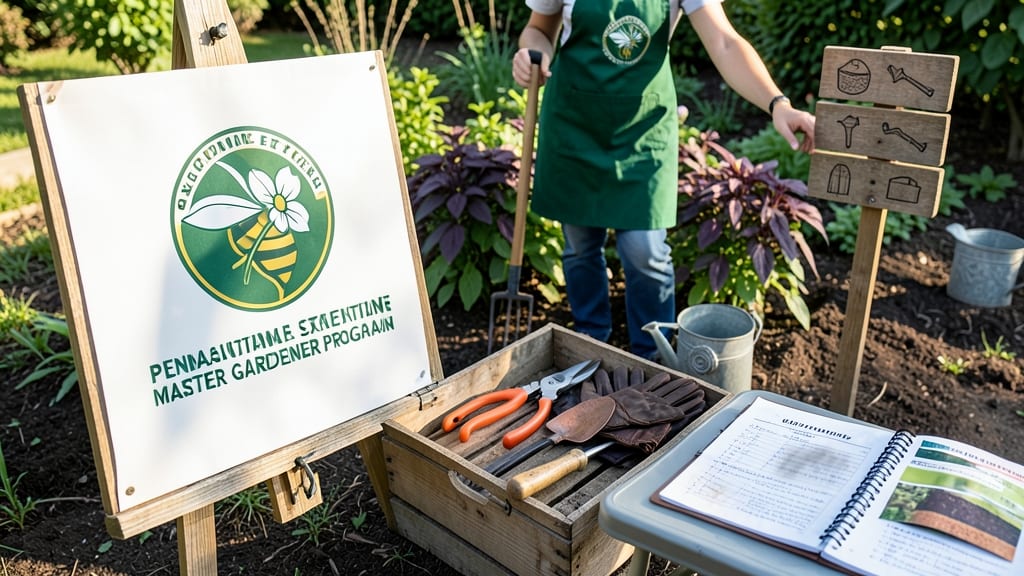
The Pennsylvania Master Gardener Program trains volunteers to share horticultural expertise through Penn State Extension, covering 40+ hours of coursework, a final exam, and 50 hours of annual community service. County programs adjust timing and topics based on local needs.
This program transforms gardening passion into community impact by blending classroom learning with real-world application. 🌱 The curriculum dives into plant science, sustainable practices, and problem-solving techniques—all grounded in Penn State’s research.
What sets it apart is the hands-on requirement: volunteers apply their knowledge through county-led projects, from school gardens to urban greening initiatives.
County offices tailor programs to regional challenges, like managing invasive species in the Poconos or supporting urban agriculture in Philadelphia. The application process varies, but most prioritize local residents with a demonstrated interest in gardening—whether through experience or enthusiasm.
💡 In This Article
- Pennsylvania Master Gardener Training Curriculum Breakdown
- How to Enroll in Your County’s Master Gardener Program
Pennsylvania Master Gardener training curriculum breakdown
The Pennsylvania Master Gardener Program's curriculum is meticulously designed by Penn State Extension to provide a comprehensive foundation in horticultural science. The 40+ hours of coursework typically span 8-12 weeks, depending on the county, and cover core topics like plant physiology, entomology, and landscape ecology.
What makes this program unique is its integration of research-backed practices—every module connects classroom learning to real-world applications, such as diagnosing plant diseases or designing sustainable landscapes. 🌱
One standout feature is the emphasis on pest management, where volunteers learn integrated pest management (IPM) techniques that prioritize prevention and biological controls over chemical solutions.
For example, the curriculum includes hands-on sessions on identifying beneficial insects like ladybugs and lacewings, which can reduce pest populations by up to 70% in some cases.
Soil science is another critical module, teaching participants how to analyze soil composition and amend it for optimal plant growth—something we’ve seen transform struggling gardens into thriving ecosystems.
Sustainable gardening practices are woven throughout the program, with modules on water conservation, native plant selection, and organic gardening methods. Counties often customize these sections to address local challenges, such as managing invasive species like Japanese knotweed in the Allegheny region or promoting pollinator-friendly gardens in urban areas.
This regional focus ensures that graduates can immediately apply their knowledge to address community needs. 🌿
The curriculum also includes a final exam that tests both theoretical knowledge and practical skills, such as identifying plant diseases from symptoms or designing a garden layout.
What’s fascinating is how the program balances science with hands-on learning—volunteers often work in demonstration gardens or greenhouses during training, where they can see concepts like root development or nutrient uptake in action.
Beyond the core topics, many counties offer electives tailored to regional interests, such as urban agriculture in Philadelphia or forestry basics in the Poconos. These optional modules allow participants to deepen their expertise in areas that align with their passions or local priorities.
The program’s flexibility ensures that whether you’re a backyard gardener or a landscape professional, you’ll find relevant content to expand your skills.
What truly sets this program apart is its commitment to continuous learning. After certification, volunteers must complete 25 hours of advanced training every three years to maintain their status. This ensures that graduates stay current with the latest research and techniques, making them valuable resources for their communities. 🌟