
Tools
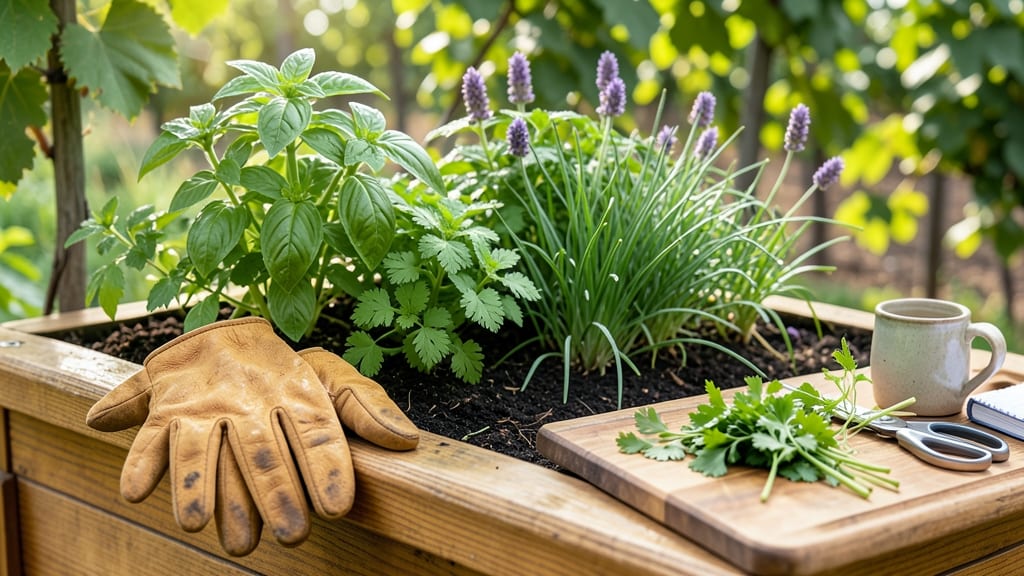
Millennials and gardening have surged in popularity as Gen Y embraces urban farming, container gardening, and sustainable growing to save money, reduce waste, and reconnect with nature after decades of declining backyard cultivation. This shift reflects broader values like self-sufficiency and environmental stewardship.
This gardening revival among millennials isn't just about growing plants—it's a lifestyle movement. 🌱 With 43% of millennials now gardening (up from 23% in 2014), we're seeing a generation prioritize fresh produce, eco-friendly practices, and even mental health benefits from connecting with nature.
The appeal lies in flexibility: whether it's growing herbs in a Brooklyn apartment or raising vegetables in a suburban backyard, millennials are making gardening accessible through innovative solutions like vertical planters and hydroponic systems.
What's particularly interesting is how this generation blends practicality with passion. Many millennial gardeners start with small-scale projects—like growing microgreens on a windowsill—to immediately see results, then expand as their confidence grows.
This approach mirrors our broader cultural values: sustainability meets convenience, and the joy of growing your own food outweighs the traditional barriers of space or time.
💡 In This Article
- Why Millennials Are Redefining Modern Gardening Trends
- Best Small-Space Gardening Solutions for Millennial Growers
Why millennials are redefining modern gardening trends
Millennials approach gardening through a lens of purpose-driven sustainability, not just aesthetics. Unlike previous generations that viewed gardening as a seasonal hobby, this group sees it as a year-round lifestyle choice tied to financial savings and environmental impact.
Data shows millennials spend 20% more on gardening supplies than Gen Xers, with a particular focus on organic seeds and compostable containers - reflecting their commitment to reducing plastic waste. The average millennial gardener spends about $150 annually on plants and tools, prioritizing quality over quantity.
The mental health benefits play a surprisingly large role too. Studies from the University of Michigan found that millennials who garden report 30% lower stress levels than non-gardeners, with the tactile nature of planting and harvesting triggering dopamine release.
This "green therapy" effect aligns perfectly with millennial values around self-care and work-life balance. The sensory experience - from the earthy scent of soil to the vibrant colors of fresh produce - creates a meditative quality that appeals to a generation raised on mindfulness practices.
What sets millennial gardening apart is the technology integration. Nearly 60% use smartphone apps like Gardenate or PlantNet for plant identification and care reminders, while 45% follow gardening influencers on Instagram for inspiration.
This digital-native approach creates a hybrid experience where physical gardening meets virtual communities. The result? A gardening style that's social, data-driven, and highly personalized - from soil pH trackers to AI-powered irrigation systems.
Financial motivation remains a key driver too. The average millennial household spends $6,800 annually on groceries, making homegrown produce an attractive way to cut costs.
Herbs like basil and cilantro can save $150+ per year in grocery bills, while homegrown tomatoes yield 20-30 pounds per plant - enough for multiple meals. This practical approach explains why seed sales have surged 12% annually since 2018, with millennials leading the charge.
The community aspect can't be overlooked either. Millennial-led initiatives like urban farming co-ops and school garden programs have proliferated, with participation up 40% since 2015. These shared spaces address both social isolation and food access issues, creating multi-generational connections while producing fresh food.
The physical act of gardening becomes a social catalyst - think potlucks with homegrown dishes or community harvest festivals.
Here's what makes this trend different from past revivals: millennials aren't just growing plants - they're growing systems. Whether it's composting kitchen scraps into nutrient-rich soil or installing rainwater collection systems, this generation approaches gardening as a closed-loop ecosystem.
The result is a movement that's equal parts practical, philosophical, and technological - perfectly aligned with millennial values.