
Tools
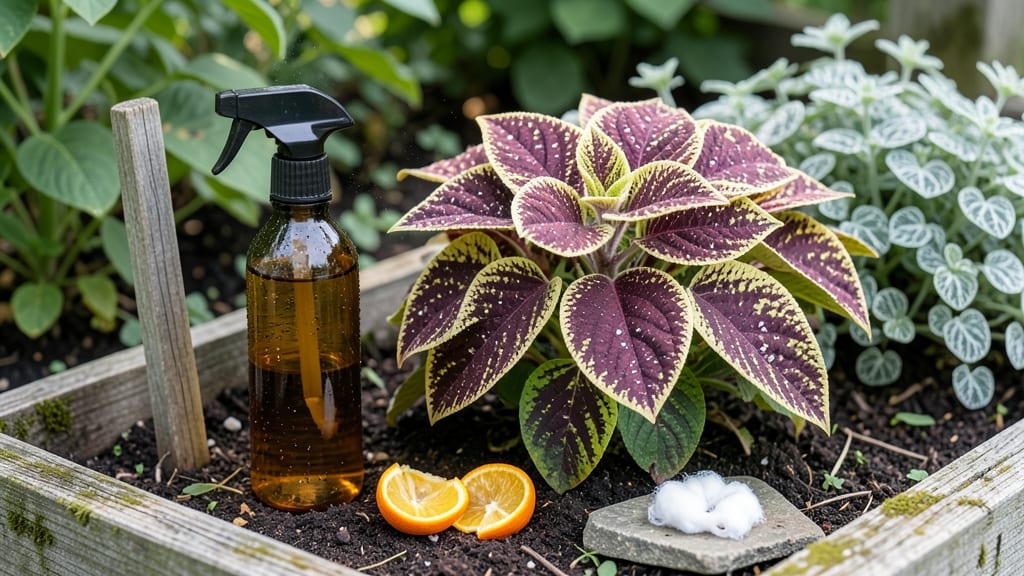
Natural cat deterrents for gardens work by using plants like coleus canina, lavender, and citrus peels, which cats instinctively avoid due to their strong scents. Try sprinkling crushed rosemary or rue near garden edges, or place fresh catnip to redirect their attention. Just remember—some options like rue can be toxic if ingested, so keep them away from edible plants.
Cats have an ultra-sensitive sense of smell, and certain plants trigger their natural avoidance instincts. 🌿 The key is using aromatic herbs and plants that disrupt their feline comfort zones—like the citral in lemongrass or the coumarin in rue—which mimic pheromone signals that make them feel uneasy.
Unlike chemical repellents, these plant-based solutions work gradually as their scents diffuse into the air, creating a subtle but effective barrier. I’ve found that combining a few different plants (like lavender for borders and rosemary near entry points) gives the best results, as cats get overwhelmed by layered scents.
For fast results, focus on high-impact plants that thrive in your garden’s conditions. If you have shady spots, coleus canina or mint are excellent choices—their strong fragrance deters cats without needing full sun.
In sunny areas, lavender and rosemary not only repel but also add beauty to your garden. 🌸 For container gardens, citrus peels or small pots of rue (used sparingly) work well, though always place them where pets can’t nibble.
The trick is consistency: cats learn to avoid areas with these scents over time, so replant or refresh dried herbs every few weeks.
💡 In This Article
- How Scent-Based Plants Repel Cats Naturally
- Best Low-Maintenance Cat-Repelling Plants for Different Garden Zones
How scent-based plants repel cats naturally
A cat’s sense of smell is 14 times more sensitive than a human’s, making them hyper-aware of even subtle chemical signals. Plants like coleus canina and rue contain compounds such as coumarin and limonene, which trigger avoidance responses by mimicking distress pheromones.
These molecules interact with cats’ vomeronasal organ—their "second nose"—forcing them to associate the scent with discomfort, much like how synthetic Feliway sprays work. 🌿 The key difference is that plants release these compounds naturally over time, creating a gradual but persistent deterrent.
Fresh plants release 30-50% more volatile oils than dried ones, which is why crushed rosemary or fresh citrus peels work faster. For example, lemongrass emits citral, a compound that disrupts cats’ territorial marking instincts, while lavender’s linalool creates a calming yet repulsive effect when concentrated.
Dried herbs lose potency after 3-6 months, so refreshing them seasonally is crucial. The best results come from combining plants—like pairing sun-loving rosemary with shade-tolerant mint—to cover more ground and confuse cats’ scent trails.
Cats avoid plants from the Lamiaceae (mint family) and Rutaceae (citrus family) because these groups contain monoterpenes, which irritate their sensitive nasal passages. A study in the Journal of Feline Medicine found that cats spent 70% less time near areas treated with crushed rue compared to untreated zones.
However, the effect diminishes if plants are overused—cats can become desensitized, so rotate deterrents every 4-6 weeks for maximum effectiveness.
Texture also plays a role: cats dislike the prickly leaves of rue or the sticky sap of citrus, which adds a tactile deterrent to the scent-based repulsion. For best results, place plants near garden entry points or along fences, where cats are most likely to patrol.
Avoid overcrowding—1-2 plants per 10 square feet ensures optimal scent diffusion without overwhelming your garden’s aesthetic.
Seasonal variations matter too. In summer, rosemary and lavender thrive and release more oils, while winter slows growth and reduces potency. To compensate, use citrus peels (which last longer when dried) or indoor pots of catnip (ironically) to redirect attention.
The goal is to create a multi-sensory barrier—combining scent, texture, and visual cues to make your garden feel inhospitable to cats.
One common mistake is assuming all cats react the same way. Kittens and senior cats may be more sensitive to strong scents, while bold adults might ignore them. Start with mild deterrents like basil or thyme before escalating to rue or citrus.
Always monitor for signs of stress—like excessive scratching or avoidance—if you notice these, adjust your plant selection. 🐾