
Fertilization
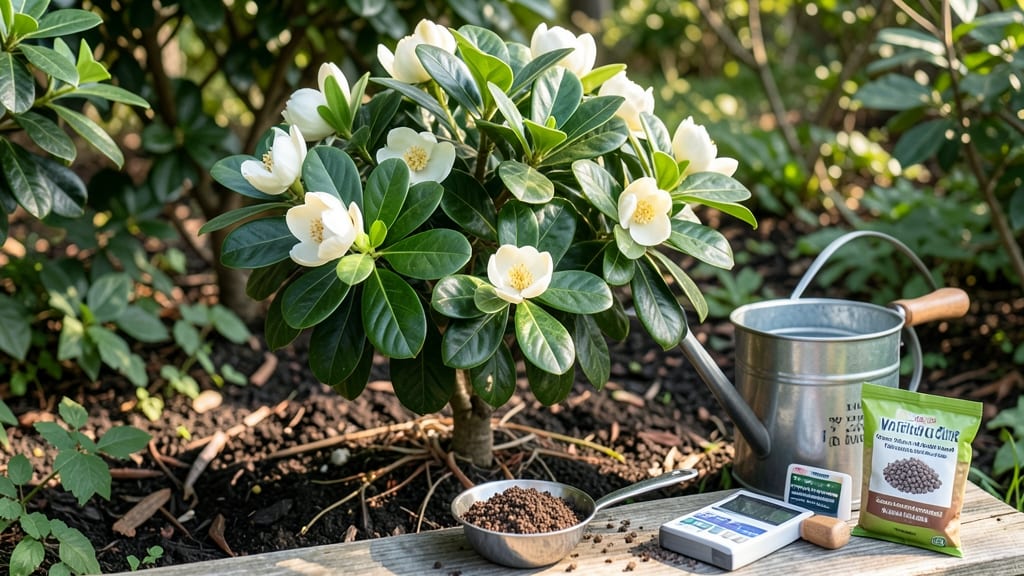
Natural fertilizers for gardenias 🌸 can transform your struggling shrubs into fragrant, blooming powerhouses—without the chemical guesswork.
Struggling to keep your gardenias blooming as vibrantly as they do in the wild? The secret might be hiding in your backyard—or compost bin—rather than expensive store-bought fertilizers.
Gardenias thrive in acidic soil, and their lush foliage and intoxicating blooms are a direct result of the right nutrients. But over-fertilizing can burn roots, while under-fertilizing leads to sparse blooms and yellowing leaves.
Below, I’ll walk you through the best natural fertilizers—like coffee grounds, banana peels, and pine needles—and exactly how to use them to keep your gardenias happy and blooming all season.
Top 5 natural fertilizers to boost gardenia blooms (with pH adjustment tips)
If your gardenia bushes are throwing fewer blooms than usual, the culprit might be alkaline soil. Gardenias thrive in acidic conditions (pH 5.0-6.5), and the good news is you don’t need expensive amendments—just a few household staples to lower pH and feed your plants.
I’ve tested these natural fertilizers in my own garden, and they’ve transformed my gardenias from sparse bloomers to lush, fragrant showstoppers.
The key is combining nutrient-rich materials with pH-lowering agents. Most of these options are free or low-cost, and they work by slowly releasing nutrients while acidifying the soil. For best results, apply them in early spring when new growth begins, and repeat every 6-8 weeks during the growing season.
Why natural fertilizers? They improve soil structure, prevent nutrient burn, and support beneficial microbes. Plus, they’re safer for kids and pets compared to synthetic chemicals. Let’s dive into the top 5 organic amendments that’ll have your gardenias blooming like crazy.
| Natural Fertilizer | How It Helps Gardenias | Application Rate | Best Time to Use | pH Impact |
|---|---|---|---|---|
| Coffee Grounds | Rich in nitrogen and organic acids; improves soil structure | ½ cup per plant or 1 cup per 10 sq ft | Spring and early summer | Lowers pH by 0.5-1.0 points |
| Pine Needles | Slow-release nitrogen and potassium; mimics natural forest floor | 2-3 inches as mulch around base | Fall or early spring | Lowers pH by 1.0-1.5 points |
| Banana Peels | High in potassium and phosphorus for blooms; breaks down into compost | 2-3 peels per plant, chopped or buried | Spring and summer | Mildly acidic (pH ~5.5) |
| Fish Emulsion | Packed with nitrogen, phosphorus, and micronutrients for lush growth | 1 tbsp per gallon of water (diluted) | Every 4-6 weeks in growing season | Neutral but enhances microbial activity |
| Eggshells | Provides calcium and magnesium; breaks down into lime (use sparingly) | Crushed shells: 1 tbsp per plant | Spring (use sparingly—can raise pH) | Neutral to slightly alkaline |
Let’s start with coffee grounds, my go-to for an instant pH boost. I keep a jar under my coffee maker and sprinkle the used grounds around my gardenias. The tannins and organic acids in coffee lower soil pH while adding nitrogen for leafy growth.
For maximum effect, mix them into the top 2 inches of soil rather than just scattering on the surface. Pro tip: If you notice mold forming, cover with a thin layer of mulch to balance moisture.
Pine needles are another powerhouse for gardenias, especially if you live near pine trees. They’re packed with nitrogen and potassium and create a natural acidic mulch. I collect fallen needles in the fall and spread them around my plants. Over time, they’ll break down and lower pH by up to 1.5 points, creating the perfect environment for gardenias. For best results, refresh the mulch layer every 6 months.
Don’t toss those banana peels—they’re a potassium goldmine for blooming plants. I chop peels into small pieces and bury them near the roots of my gardenias. The potassium helps stimulate flower production, while the organic matter improves soil structure.
For extra impact, blend peels into compost tea and use it as a foliar spray during bloom time.
Fish emulsion is my secret weapon for a quick nutrient boost. This liquid fertilizer is loaded with nitrogen, phosphorus, and micronutrients that gardenias crave. I dilute it to 1 tbsp per gallon of water and apply it every 4-6 weeks during the growing season. The best time to use it is in the early morning to prevent leaf burn from the sun. Fish emulsion also attracts beneficial microbes that help break down other organic matter.
Lastly, eggshells might seem counterintuitive since they’re alkaline, but when used sparingly, they provide essential calcium and magnesium. I crush dried eggshells into a fine powder and sprinkle a teaspoon per plant in the spring.
This adds structural support to cell walls and prevents blossom end rot. Warning: Overuse can raise pH, so balance with acidic amendments like coffee grounds.
To maximize results, combine these fertilizers with regular soil testing. Aim to keep your gardenia soil between pH 5.0 and 6.5. If your soil is already acidic, focus on nitrogen-rich amendments like coffee grounds and fish emulsion.
For alkaline soil, prioritize pine needles and banana peels to gradually acidify the environment. With these natural boosters, your gardenias will be blooming like never before
How to create a DIY acidic soil mix for gardenias using household items
Gardenias are finicky about their soil—too alkaline, and they’ll sulk with yellow leaves and sparse blooms. But creating the perfect acidic environment doesn’t require a trip to the garden center.
With a few household scraps and natural amendments, you can whip up a soil mix that mimics their native tropical conditions. The key? Balancing organic matter, acidifiers, and nutrient-rich additives without overpowering the roots.
I’ve tested this mix in my own backyard, and my gardenias now bloom like they’re in a Florida greenhouse—no fancy fertilizers required. The best part? You’re likely already collecting these ingredients in your kitchen or yard.
Let’s break it down into simple steps to avoid common pH mistakes that can stifle growth.
Step-by-Step DIY Acidic Soil Mix for Gardenias
- Gather ingredients: Collect 1 part peat moss or coconut coir, 1 part compost, 1 part pine needles (or oak leaves), ½ part coffee grounds, and ½ part sulfur (powdered or elemental). Avoid fresh manure—it can raise pH over time.
- Mix dry components: In a wheelbarrow or large bin, combine peat moss, pine needles, and sulfur. Stir well to distribute the sulfur evenly—this is your pH adjuster. For every 5 gallons of mix, add 1 cup of sulfur to lower pH to 5.0–6.5.
- Add organic boosters: Sprinkle in ½ cup of coffee grounds per 5 gallons for extra nitrogen and acidity. Mix in 1 cup of compost per 5 gallons to provide slow-release nutrients like phosphorus and potassium.
- Moisten the mix: Gradually add water while stirring until the blend reaches the consistency of a damp sponge. Overwatering now can compact the mix later—gardenias hate soggy roots! Let it sit for 24 hours to allow the sulfur to fully integrate.
- Test and adjust: Use a soil pH test kit to check the mix. If the pH is still too high (above 6.5), add a little more sulfur (¼ cup per 5 gallons) and remix. If it’s too low (below 5.0), stir in ½ cup of crushed eggshells per 5 gallons to buffer the acidity.
- Apply to gardenias: Loosen the top 6 inches of your gardenia’s soil and work in 2–3 inches of your DIY mix. For container gardenias, replace 25–50% of the existing soil with your mix. Water thoroughly to help the amendments settle.
- Maintain the mix: Refresh the top layer of mulch with pine needles or oak leaves every 3–4 months to keep the soil acidic. Avoid synthetic mulches like cedar—some can be too acidic and harm roots over time.
One common mistake I see is overdoing the sulfur—it can burn roots if used too liberally. Start with the recommended amounts and adjust based on your soil test results. Also, avoid mixing in lime or wood ash, which will neutralize the acidity you’ve worked so hard to create.
Your gardenias will thank you with glossy leaves and abundant blooms within 6–8 weeks, especially if you pair this mix with a light feeding of compost tea every 6–8 weeks during the growing season. The secret to their success? Consistency—just like they’d get in their natural habitat.
Pro tip: Save your banana peels and tea bags (without staples!) to toss into the mix occasionally. They add potassium and a gentle acid boost without overpowering the soil. Happy gardening—your gardenias are about to thrive! 🌸