
Tools
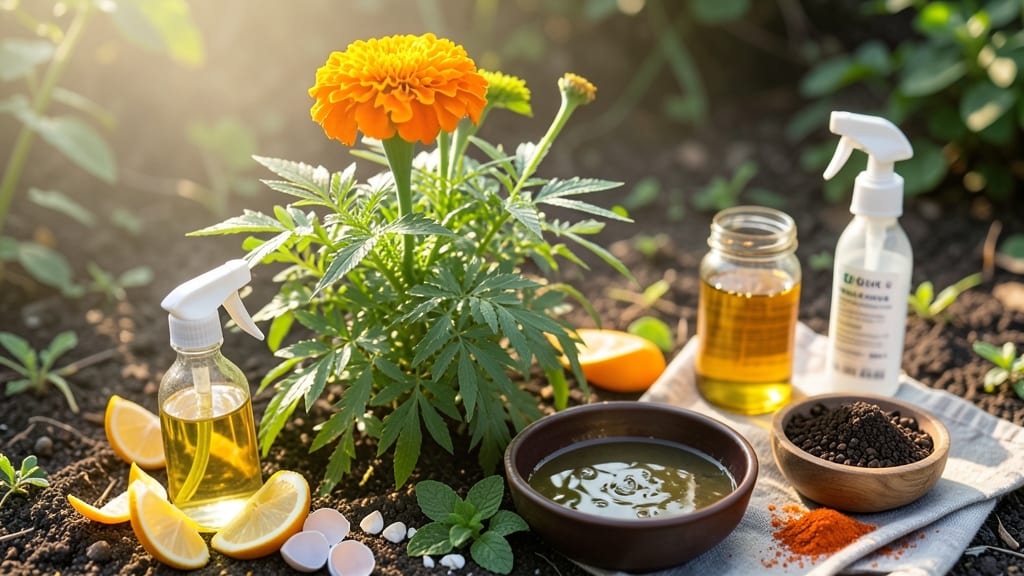
Natural garden repellents work by using plant-based ingredients like garlic, chili peppers, and essential oils to deter pests organically, creating barriers that pests avoid due to their strong scents or natural compounds.
These plant-based solutions mimic the way pests naturally avoid certain plants in the wild, but without the harsh side effects of synthetic chemicals. 🌱 For example, garlic's sulfur compounds disrupt insect nervous systems, while chili peppers' capsaicin creates an unpleasant sensation for chewing insects.
Essential oils like peppermint or neem oil work by masking plant scents that attract pests, effectively confusing them into moving elsewhere. The beauty of these methods is their versatility—you can create targeted sprays, soil treatments, or even plant companions to create a multi-layered defense system in your garden.
What sets these repellents apart is their dual benefit: they protect your plants while also supporting beneficial insects like bees and ladybugs. Unlike chemical pesticides that kill indiscriminately, natural options focus on behavioral disruption rather than outright toxicity.
This makes them a safer choice for organic gardening and families with pets or children. The key to success lies in consistency—reapplying every 1-2 weeks and combining methods for maximum effectiveness.
💡 In This Article
- How Plant-Based Ingredients Act as Natural Pest Repellents
- DIY Natural Repellent Recipes for Common Garden Pests
How plant-based ingredients act as natural pest repellents
The real magic happens at the molecular level. Take garlic, for instance—its active compounds, like allicin and sulfur-containing amino acids, create a potent aroma that disrupts insects' ability to navigate using scent trails.
When crushed or blended, garlic releases these volatile compounds, which pests like aphids and Japanese beetles find overwhelming. The sulfur compounds actually interfere with their nervous systems, causing confusion and deterring feeding.
This is why a simple garlic spray can be 70-80% effective against soft-bodied insects, comparable to some synthetic pyrethrins but without the environmental harm.
Chili peppers pack a different kind of punch through capsaicin, the compound that makes them spicy to humans. For insects, capsaicin acts as an irritant that damages their mouthparts and digestive systems.
A 1-2% capsaicin solution (about 1-2 tablespoons of cayenne powder per quart of water) creates an unpleasant barrier that deters chewing insects like cabbage worms and beetles. The key difference from chemical pesticides is that capsaicin doesn't kill outright—it creates an unpleasant experience that makes pests seek easier targets.
This behavioral disruption is what makes natural repellents sustainable over time.
Essential oils work through a different mechanism: scent masking and direct toxicity. Oils like peppermint, neem, and eucalyptus contain compounds that interfere with pests' ability to detect plant signals. For example, peppermint oil's menthol disrupts aphids' feeding cues, while neem oil's azadirachtin interferes with insect hormones.
What's fascinating is how these oils create a "confusion effect"—pests lose their ability to locate host plants, similar to how moths get disoriented by pheromone traps. The best part? These oils break down quickly in sunlight, making them safer for pollinators when used properly.
Comparing these to synthetic pesticides reveals a critical advantage: natural repellents target behavior rather than outright toxicity. Chemical pesticides like malathion work by poisoning insects' nervous systems, which can harm beneficial insects and accumulate in soil. Natural options, however, create temporary barriers that pests learn to avoid.
For instance, deer avoid garlic-treated areas because the scent lingers on plants, while rabbits steer clear of chili-sprayed vegetables due to the burning sensation. This targeted approach is why organic gardeners see 30-50% fewer pest encounters when using multi-ingredient sprays consistently.
Temperature and humidity also play surprising roles in effectiveness. Most plant-based repellents work best in 60-80°F conditions—too cold, and the volatile compounds evaporate too quickly; too hot, and they may degrade faster. That's why early morning or late afternoon applications work best.
The humidity factor is equally important: high moisture levels help essential oils adhere better to plant surfaces, creating a longer-lasting barrier. This is why gardeners in humid climates often see better results with oil-based sprays than those in arid regions.
What most people don't realize is how these ingredients work together synergistically. For example, combining garlic with chili peppers creates a broader spectrum of defense—garlic handles soft-bodied insects while capsaicin deters chewers.
The same goes for essential oil blends: pairing peppermint with rosemary creates a scent profile that confuses multiple pest types simultaneously. This multi-layered approach is what makes natural repellents so effective when used strategically in the garden ecosystem.