
Tools
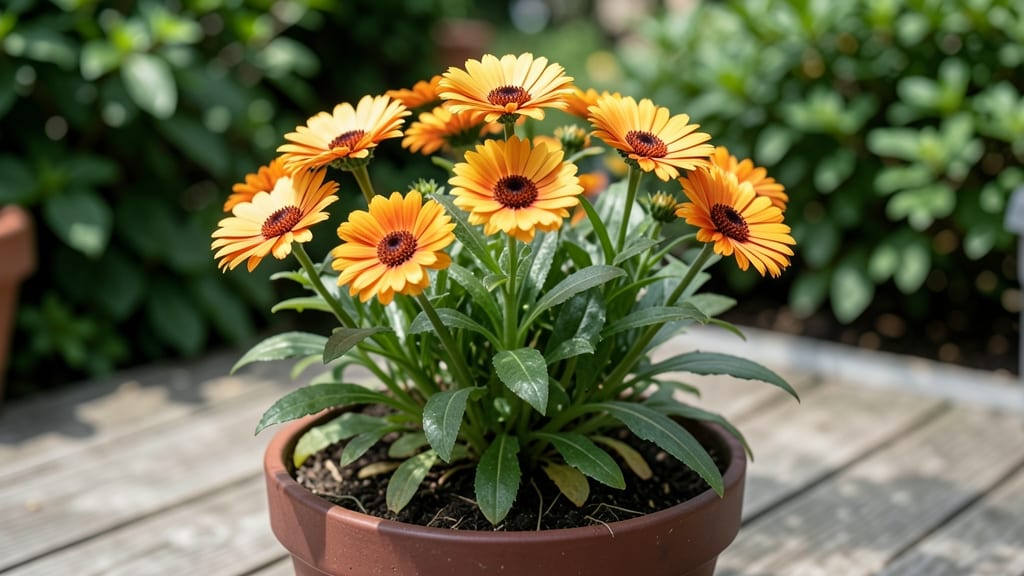
The new garden eye monitors plant health by tracking soil moisture, light exposure, and temperature—critical metrics that directly impact growth and vitality. Its smart sensors help you catch early signs of stress so you can adjust care before problems escalate.
The new garden eye acts like a personal plant doctor, using real-time data to give you actionable insights. 🌱 Its moisture sensors detect when roots are thirsty or drowning, while light sensors measure if your plants are getting just the right amount of sunshine.
Temperature readings help identify heat stress or cold damage before it becomes visible. What sets this tool apart is its ability to combine all three factors into a single health score, making it easier than ever to keep your garden thriving.
This isn't just about checking numbers—it's about understanding your plants' needs at a deeper level. For example, if the device shows high soil moisture but low light readings, you might need to adjust both your watering schedule and plant placement.
The real power comes when you pair these readings with the device's alerts, which can warn you about potential issues like overwatering or nutrient deficiencies before they cause permanent damage.
💡 In This Article
- How Garden Eye Sensors Detect Plant Stress
- Setting Up Your Garden Eye for Maximum Plant Health
How garden eye sensors detect plant stress
The garden eye’s moisture sensors work by measuring soil conductivity—specifically, how easily electrical current passes through the soil. When soil is dry, fewer ions are available to conduct electricity, triggering a lower reading. Conversely, saturated soil shows high conductivity due to excess water and dissolved minerals.
These sensors can detect moisture levels as shallow as 2 inches below the surface, where most plant roots absorb water first. 🔥 For example, a reading below 20% moisture might indicate dehydration, while consistent readings above 60% could signal overwatering.
Light sensors analyze photosynthetic activity by measuring the intensity and spectrum of light hitting leaf surfaces. They focus on the photosynthetically active radiation (PAR) range (400-700 nm), which is most critical for plant growth. If PAR drops below 10,000 lux (like in shaded areas), the device flags potential light stress.
Meanwhile, excessive light (above 50,000 lux) can cause leaf scorch, which the temperature sensors help confirm by detecting sudden spikes in leaf surface temperature—often 5-10°F warmer than ambient air.
Temperature sensors go beyond just air readings—they monitor both soil and foliage. Soil temperature fluctuations of more than 10°F in 24 hours can stress roots, while leaf temperatures 5°F above ambient air often signal water loss or disease.
For instance, a tomato plant wilting in 85°F air but showing leaf temps at 95°F might need shade or increased humidity. The garden eye cross-references these readings to pinpoint whether stress stems from environmental factors or internal plant health issues.
What makes these sensors unique is their ability to correlate data. For example, if moisture is low but light is abundant, the device might suggest checking for root rot or fungal growth—common in dry, sunny conditions. Meanwhile, high moisture with low light could indicate compacted soil or poor drainage.
This multi-sensor approach mimics how experienced gardeners observe plants but with precise, data-driven insights. 💫 The result? Early detection of problems like powdery mildew (which thrives in 70-80°F with high humidity) or nutrient deficiencies (often linked to cooler soil temps).
Advanced models even analyze diurnal patterns—like sudden nighttime temperature drops—which can reveal issues like poor insulation or cold-sensitive species. For instance, a basil plant might show stress if soil temps drop below 50°F at night, even if daytime conditions seem ideal.
By tracking these patterns over weeks, the garden eye builds a "plant health baseline," making it easier to spot deviations that could lead to disease or stunted growth.
Here’s a quick breakdown of how each sensor works together:
- Moisture sensors: Measure soil conductivity to detect dehydration or overwatering (ideal range: 30-50% moisture)
- Light sensors: Track PAR levels to identify light stress or insufficient photosynthesis (optimal: 15,000-30,000 lux)
- Temperature sensors: Monitor soil and foliage temps to catch heat/cold stress or disease risks (critical thresholds: ±5°F from ambient)
The magic happens when the device combines these readings into a single health score—like a plant’s "vital signs"—so you can act before symptoms like yellowing leaves or stunted growth appear. ✨