
Size
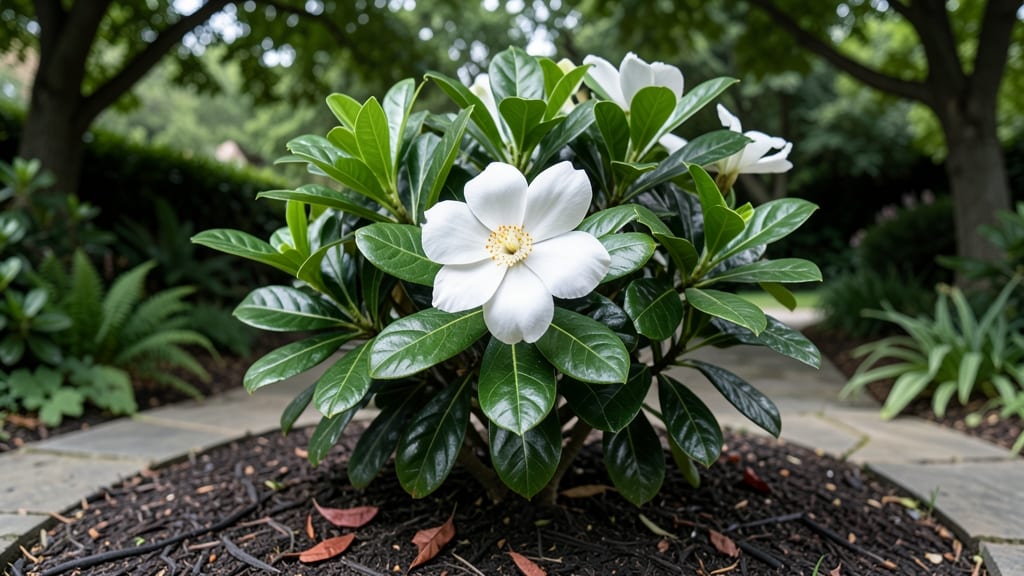
The gardenia growth rate depends on the variety, with most plants reaching maturity at 3–6 feet tall and producing blooms within 2–5 years when given warm climates, well-draining soil, and partial shade. Compact varieties may flower sooner but grow more slowly overall.
Understanding gardenia growth rate helps you set realistic expectations for your garden.
These tropical shrubs thrive in USDA zones 8–11, where they can double in size each year when young, but slower growth is normal as they mature. 🌸 The key to faster blooming lies in consistent care—acidic soil (pH 5.0–6.5) and regular pruning after flowering encourage bushier growth and more abundant blooms.
I've found that container-grown gardenias often bloom earlier than those planted in the ground, likely due to better control over moisture and nutrients.
For impatient gardeners, choosing fast-blooming varieties like 'Kleim's Hardy' can get you flowers in just 1–2 years, though they may only reach 2–3 feet tall. Meanwhile, larger varieties like 'Radicans' grow aggressively but take longer to produce their signature fragrant blooms.
The trade-off between size and speed is worth considering based on your garden space and goals.
💡 In This Article
- Factors Influencing Gardenia Growth Speed and Bloom Time
- Fastest-Blooming Gardenia Varieties for Quick Color
Factors influencing gardenia growth speed and bloom time
Gardenia growth speed is primarily controlled by soil acidity, which these plants crave like a gourmet chef craves truffle oil.
The ideal pH range of 5.0–6.5 triggers faster nutrient uptake, particularly iron and phosphorus, which fuel both leafy growth and flower bud formation. 🌱 In alkaline soils (above 7.0), growth slows dramatically—sometimes by up to 40%—because essential nutrients become locked away.
I've seen gardenias in neutral soil take 3 years longer to bloom compared to their acidic counterparts.
Sunlight exposure creates another critical divide: while gardenias need 4–6 hours of bright, indirect light daily, direct afternoon sun can scorch leaves and stress the plant, diverting energy away from flowering.
Partial shade (like under high-canopy trees) keeps temperatures stable around 70–85°F, which is perfect for metabolic processes that produce those iconic creamy-white blooms.
In full sun, plants may grow taller but produce fewer flowers—a trade-off that's especially noticeable in varieties like 'Radicans', which can reach 6 feet but often delay blooming until their third year.
Temperature zones play a hidden but dramatic role, with USDA zones 8–10 offering the ideal climate for rapid growth. In cooler zones (7 or below), gardenias enter a survival mode, focusing energy on root development rather than flowering.
This is why 'Kleim's Hardy' thrives in zone 7—it's been bred to tolerate 20°F dips, but even then, it may take 2 years to produce its first blooms compared to 1 year in zone 9.
Watering patterns also matter: consistent moisture (about 1–1.5 inches per week) keeps growth steady, while drought stress can cause buds to drop before opening.
Pruning creates one of the most underrated levers for controlling growth speed. When you prune right after flowering, you're encouraging the plant to produce multiple new shoots from the base, which can lead to 20–30% more blooms the following season.
The key is to cut back by one-third of the plant's height, using clean, sharp shears to avoid damaging the stems. I've found that container-grown gardenias respond particularly well to this technique, often blooming 6–8 weeks earlier than unpruned counterparts because they're not competing with extensive root systems.
One surprising factor is how container size affects growth rate. Gardenias in 15-gallon pots or larger can grow 2–3 times faster than those in 5-gallon containers because they have more room to develop robust root systems. The trade-off? Larger containers require more frequent watering and fertilization.
For fastest results, use a pot with drainage holes and a well-draining mix of 50% peat moss, 30% perlite, and 20% sand—this combination keeps roots aerated while maintaining that critical acidity.
Seasonal timing matters too. Plants established in early spring (when soil temperatures reach 60°F) often bloom 3–4 months earlier than those planted in fall. This is because they have the entire growing season to establish roots before winter dormancy.
The exception? Dwarf varieties like 'Fortuniana' may bloom in their first year regardless of planting time, but their overall growth remains stunted—typically maxing out at 2–3 feet tall—because their genetic makeup prioritizes early flowering over height.