
Tools
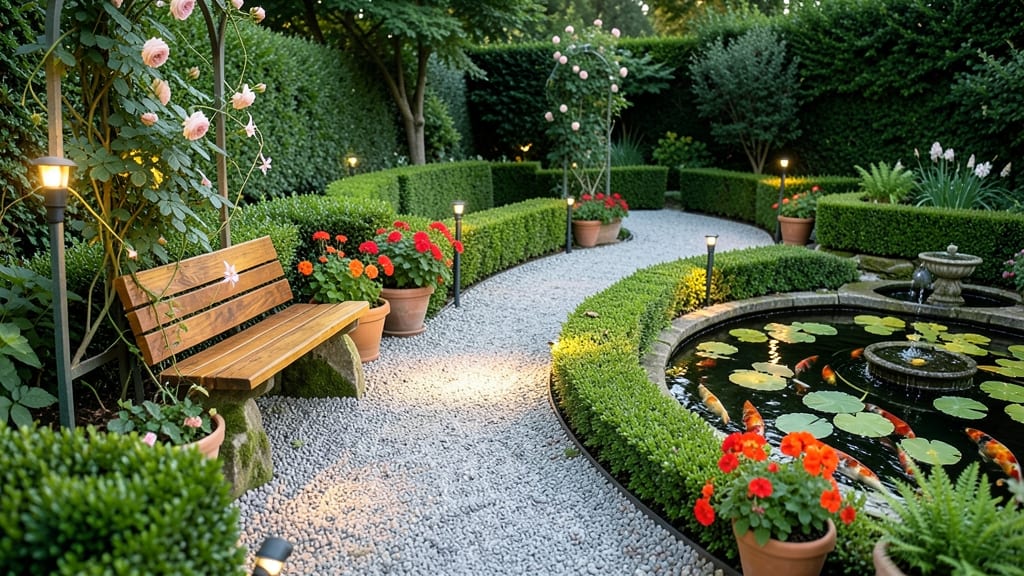
The nicest gardens in the world captivate visitors with their harmonious blend of stunning visuals and intentional design, such as Keukenhof’s vibrant tulip fields, Kyoto’s serene Philosopher’s Path, and the Alhambra’s intricate Islamic gardens, creating immersive experiences where nature and artistry unite.
The world’s most beloved gardens aren’t just pretty—they’re carefully crafted spaces that tell stories through their layouts. 🌿 Take Keukenhof, for example, where millions of tulips bloom in synchronized waves, creating a living canvas that changes daily.
Meanwhile, Kyoto’s Philosopher’s Path transforms mossy stone paths into meditative journeys, while the Alhambra’s gardens use water channels and geometric patterns to reflect Islamic principles of balance.
What makes these gardens truly special is how they adapt to their environments—whether through seasonal color shifts or climate-responsive plant choices—while inviting visitors to slow down and appreciate nature’s details.
Beyond their visual appeal, these gardens often incorporate cultural traditions that enhance their magic. The Alhambra’s courtyard fountains, for instance, were designed to create cooling mist during Spain’s hot summers, while Kyoto’s gardens emphasize wabi-sabi aesthetics, celebrating imperfection as part of beauty.
Many of these spaces also serve as living museums, preserving centuries-old horticultural techniques alongside modern conservation efforts. Whether you’re drawn to their artistic brilliance or their historical significance, these gardens offer more than just scenery—they provide transformative experiences that linger long after the visit.
💡 In This Article
- Design Principles Behind Iconic Global Gardens
- Visitor Tips for Experiencing the World’s Best Gardens
Design principles behind iconic global gardens
At the heart of the world’s most celebrated gardens lies a masterful interplay between architecture and botany. Take Versailles, for example, where axial symmetry creates dramatic focal points like the Grand Canal, stretching over 660 meters with perfectly mirrored flowerbeds.
This design principle, borrowed from Renaissance palaces, forces visitors to move in a controlled path, revealing vistas only at specific moments—like the 1,400-meter-long Water Parterre that appears only when viewed from the palace’s center.
The gardens’ 1,500+ fountains also serve a dual purpose: they’re both artistic statements and engineering marvels, using 630 pumps to circulate 6,000 cubic meters of water daily.
The Alhambra’s gardens in Granada employ a different philosophy rooted in Islamic geometry. Here, water isn’t just decorative—it’s a spiritual element.
The Court of the Myrtles, for instance, features 125 columns supporting a ceiling of myrtle trees, while the 14 fountains create a constant soothing sound that masks the arid climate’s harshness.
The use of Arabesque patterns in the tilework and stucco work reflects the infinite nature of Allah, while the quadrilateral layout ensures every visitor experiences the gardens’ four cardinal directions.
This approach mirrors the Charbagh tradition found in Persian gardens, where water channels divide spaces into four symbolic quadrants representing paradise on earth.
Seasonal adaptation is another hallmark of iconic gardens. Keukenhof’s 7 million bulbs are planted in 800 varieties, with each bloom carefully timed to create a three-month spectacle from March to May.
The garden’s 32 hectares are organized by color and height, with taller flowers like tulips placed behind shorter ones to prevent shading. Meanwhile, Kyoto’s Philosopher’s Path relies on moss cultivation, a practice perfected over centuries where gardeners trim moss into 1-2 millimeter layers to create its velvety texture.
The path’s 2-kilometer length encourages contemplation, with each step revealing new perspectives of the surrounding bamboo groves and Kamo River.
Climate responsiveness is critical in these designs. The Singita Grumeti Reserve in Tanzania, for instance, uses indigenous Baobab trees and acacia woodlands to create natural shade while supporting local wildlife. Its 100+ species of birds and 50 mammal species thrive because the gardens mimic the savanna’s natural ecosystem.
Even the stone paths are placed to avoid disturbing termite mounds, showing how human design can coexist with nature’s rhythms.
This principle extends to the Butchart Gardens in Canada, where 55 acres of plants are selected for their ability to thrive in Zone 7b climates, with rose gardens featuring 1,000+ varieties that bloom from May to October.
Cultural storytelling often defines these gardens’ layouts. The Hortus Conclusus (enclosed garden) motif in medieval European gardens symbolized the Virgin Mary’s purity, while the Japanese Zen gardens use raked gravel to represent water, inviting meditation.
At the Shalimar Gardens in Kashmir, the three terraced levels mirror the Hindu trinity, with each level representing a different aspect of creation.
Even modern gardens like High Line in New York incorporate urban history—its 1.45-mile elevated park built on a former freight rail line uses 300+ plant species to tell the story of Manhattan’s industrial past.
What unites these designs is their ability to balance human intervention with natural harmony. The Alhambra’s water channels not only cool the air but also reflect the sky, while Keukenhof’s tulip fields use drip irrigation to conserve 30% more water than traditional methods.
These principles remind us that the world’s nicest gardens aren’t just pretty—they’re living testaments to how thoughtful design can elevate our connection to nature. 🌟