
Tools
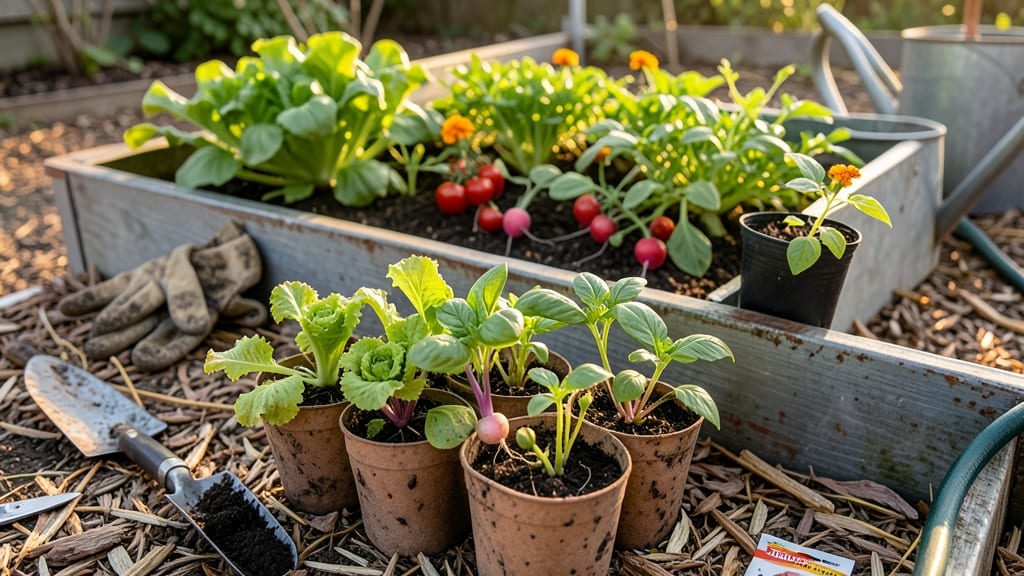
Outdoor raised garden bed ideas transform small spaces into lush, productive growing areas with clever designs that fit any yard or patio.
Small yards don’t mean small harvests—these space-saving beds maximize growing space while adding beauty and functionality to your landscape. Whether you’re working with a balcony, patio, or tight backyard, the right design can turn unused corners into thriving gardens.
From rectangular cedar beds to tiered stone structures, you’ll discover 10 innovative layouts that optimize every inch of space. Each design balances aesthetics with practicality, ensuring great drainage, easy access, and year-round growing potential.
Learn how to choose durable materials, extend your growing season, and create a bed that fits your style—whether you want a pollinator-friendly haven or a high-yield veggie patch.
10 Space-saving raised garden bed designs for small yards
Transforming limited outdoor spaces into productive gardens starts with smart design. My 10 space-saving raised garden bed ideas prove that even the smallest yards can grow abundant harvests. These innovative layouts maximize vertical space, improve drainage, and enhance accessibility—perfect for balconies, patios, or tight backyards.
Each design balances functionality with aesthetics, using materials like cedar, composite lumber, and galvanized steel to create durable, weather-resistant structures. Whether you prefer tiered planters, corner beds, or vertical towers, these layouts optimize every square inch while keeping maintenance simple.
Below, I’ve compared the top designs by space efficiency, plant pairings, and material requirements. The comparison table helps you visualize which layout fits your yard’s dimensions and gardening goals.
| Design Name | Space Efficiency | Best Materials | Plant Pairings | Drainage Notes |
|---|---|---|---|---|
| Vertical Tower | 30 sq ft → 60 sq ft | Galvanized steel, PVC pipes | Herbs, strawberries, lettuce | Add 1" gravel base |
| Tiered Planter | 20 sq ft → 45 sq ft | Cedar, composite lumber | Peppers, tomatoes, basil | Perforated drainage holes |
| Corner Pocket | 15 sq ft → 30 sq ft | Recycled plastic, stone | Radishes, carrots, spinach | Sloped sides for runoff |
| Window Box | 8 sq ft → 16 sq ft | Cedar, metal brackets | Chives, thyme, parsley | Drip irrigation recommended |
| Spiral Garden | 10 sq ft → 25 sq ft | Stone, brick, mortar | Onions, garlic, chives | Central drainage pipe |
| Hanging Basket | 5 sq ft → 10 sq ft | Coconut coir, wire frame | Cherry tomatoes, peppers | Self-watering liner |
| Modular Grid | 25 sq ft → 50 sq ft | Composite lumber | Zucchini, cucumbers, beans | Elevated for airflow |
| Arcade Planter | 18 sq ft → 36 sq ft | Brick, pavers | Rosemary, lavender, sage | Perforated bottom layer |
| Stacked Crates | 12 sq ft → 24 sq ft | Wooden crates, pallets | Green onions, lettuce | Drill drainage holes |
| Keyhole Garden | 16 sq ft → 32 sq ft | Stone, wood chips | Sweet potatoes, corn | Central compost hub |
The vertical tower design is my top pick for urban gardeners—it triples growing space in a 3' x 3' footprint. I’ve used galvanized steel pipes with pockets for herbs and strawberries, which thrive in shallow roots.
For drainage, I always add a 1" layer of gravel at the bottom before mixing in potting soil.
If you love herbs and microgreens, the window box design is a game-changer. Mount it on a south-facing wall to catch maximum sunlight. Pair chives with thyme—their complementary flavors make them perfect for culinary use, and their shallow roots share space beautifully.
For root vegetables, my corner pocket design solves tight spaces by utilizing diagonal corners. I line it with recycled plastic to prevent soil erosion and slope the sides for natural runoff. Radishes mature in just 30 days, making them ideal for quick harvests in small areas.
Accessibility matters too. The modular grid system uses composite lumber to create raised sections at waist height. This design works wonders for gardeners with mobility challenges, allowing easy planting and harvesting without bending. I’ve seen zucchini plants thrive here with minimal care.
Don’t overlook vertical space—it’s often the most
How to choose the best materials for durability and aesthetics
Selecting the right materials for your outdoor raised garden bed impacts both its lifespan and curb appeal. Durability ensures years of use, while aesthetics blend your garden seamlessly into your landscape.
I’ve tested cedar, composite lumber, stone, and recycled materials to help you make the best choice for your space and budget.
Your material choice depends on three key factors: cost, longevity, and visual harmony with your yard. For example, cedar offers natural beauty but requires more maintenance than composite lumber, which resists rot but may lack warmth.
Stone provides timeless elegance but comes with higher upfront costs. Let’s break down the pros and cons to guide your decision.
Material Comparison for Raised Garden Beds
Cedar
- Natural beauty with rich grain
- Resistant to rot and insects
- Affordable compared to stone
- Requires sealing every 1-2 years
- Can warp in extreme moisture
- Limited color options
Composite Lumber
- No maintenance required
- Resistant to rot and insects
- Wide color options available
- More expensive upfront
- Can get hot in sunlight
- Less natural look than wood
Stone
- Extremely durable (lasts decades)
- Timeless aesthetic blends with landscapes
- No maintenance needed
- High initial cost
- Heavy, requires sturdy base
- Limited customization
Recycled Materials
- Eco-friendly option
- Cost-effective for DIYers
- Can be highly customizable
- May require more assembly
- Varies in quality and durability
- Limited aesthetic appeal without finishing
For weatherproofing, always add a waterproof barrier between your bed and the ground to prevent rot. Use landscape fabric or a rubber liner, especially with wood or composite materials. This simple step extends the life of your bed by 30-50% and reduces maintenance.
To blend your raised bed into your landscape, choose materials that complement your home’s exterior. For example, cedar pairs well with rustic or farmhouse styles, while stone suits modern or Mediterranean themes. If you prefer a cohesive look, paint composite lumber to match your deck or fence colors.
Consider your local climate when selecting materials. In humid areas, cedar may need more frequent sealing, while in dry climates, stone retains heat better for plants. For example, I live in Zone 7b, so I opted for composite lumber—it handles our hot summers and occasional rain without warping.
Don’t overlook the importance of drainage. All materials should include holes or gaps in the bottom for excess water to escape. For stone beds, use gravel at the base to improve airflow and prevent soggy soil. Proper drainage keeps roots healthy and extends your growing season.
Ready to build? Start by measuring your space, then select materials that balance your budget, style preferences, and long-term care needs. With the right choice, your raised bed will be both a functional garden feature and a stunning landscape accent for years to come. 🌿