
Vegetables
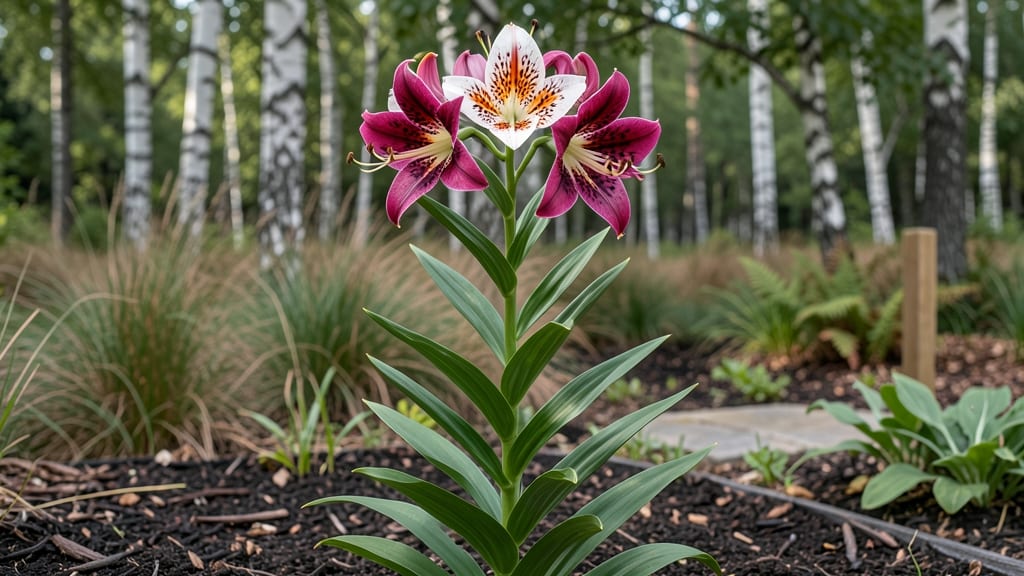
Pacific Star Gardens fruit ripens when pods turn deep golden and split slightly at the seams, usually 60-90 days after flowering. Harvest by gently twisting pods when fully mature to preserve flavor and seed quality.
Pacific Star fruit reaches its peak when the pods develop that signature golden hue and start separating along the seams—a clear sign the sugars have fully developed. 🌟 The timing can shift slightly based on your local climate, but those visual cues are your best guide.
I’ve found that harvesting at this stage ensures the best balance of sweetness and texture, while picking too early leaves you with bland, underdeveloped pods.
Once you spot those telltale signs, act quickly—ripe Pacific Star pods are delicate and can overripen fast, especially in warm conditions. The gentle twist method helps avoid damaging the plant’s stems, which is key for encouraging future yields.
For storage, keep harvested pods in a cool, dry place until you’re ready to use them, as they won’t last long once picked.
💡 In This Article
- Identifying Pacific Star Fruit Ripeness Through Visual and Tactile Cues
- Step-by-Step Guide to Harvesting Pacific Star Fruit Without Damaging Plants
Identifying Pacific Star fruit ripeness through visual and tactile cues
The ripening process of Pacific Star fruit begins with a subtle but critical color transformation. Initially, the pods start as a pale green, almost translucent shade, but as they mature, they develop a rich, deep golden hue—similar to the color of a ripe honeydew melon.
This shift occurs due to the breakdown of chlorophyll and the accumulation of carotenoids, pigments that also give carrots their orange color.
The deeper the golden tone, the sweeter and more flavorful the fruit inside. 🌟 What’s fascinating is that this color change isn’t uniform; pods exposed to more direct sunlight often develop a brighter gold faster than those in shaded areas.
Texture plays a equally important role in determining ripeness. When fully ripe, the pods become slightly softer to the touch, almost papery along the seams where they begin to split.
You’ll notice a gentle give when you press them lightly with your thumb—a sign the internal structure is breaking down to release the seeds and sweet pulp. Overripe pods, however, feel mushy and may even leak a sticky, fermented liquid, indicating the sugars have converted into alcohol.
For the best flavor, aim to harvest when the pods are firm yet yielding, like a perfectly ripe avocado.
Seed development is another key indicator of ripeness. Inside a mature Pacific Star pod, you’ll find large, plump seeds embedded in a gel-like pulp. These seeds should be fully formed and dark brown, almost black, in color.
If the seeds are still small, pale, or shriveled, the pod hasn’t reached peak ripeness yet. The pulp surrounding the seeds should also be thick and translucent, not watery or stringy.
This is your cue that the fruit’s sugars have fully developed, creating that signature sweet-tart flavor that Pacific Star fruit is known for.
Environmental factors like temperature and sunlight can significantly influence the ripening timeline. In warmer climates, pods may mature in as little as 60 days, while cooler regions could extend this to 90 days or more. High humidity can also accelerate the ripening process, causing pods to split open faster.
To delay ripening slightly, you can shade the plants during peak sunlight hours, though this may reduce overall yield. Conversely, if you’re in a cooler climate, providing supplemental heat or using black plastic mulch around the base of the plants can help speed up maturation.
One common mistake gardeners make is relying solely on the pod’s appearance. While the golden color and slight splitting are strong indicators, it’s equally important to perform the "twist test." Gently grasp a pod near the stem and twist it—if it detaches easily with a clean break, it’s ripe.
If it resists or tears, it’s not ready yet. This tactile cue is especially useful in overcast conditions when color changes might be less pronounced. 💫 By combining visual, tactile, and environmental clues, you can consistently harvest Pacific Star fruit at its peak flavor and texture.
For those growing Pacific Star fruit in containers or urban gardens, pay close attention to the plant’s overall health. Stressed plants—whether from overwatering, underwatering, or nutrient deficiencies—may produce pods that ripen unevenly or develop off-flavors.
A healthy plant will have vibrant green leaves and sturdy stems, which directly correlate with the quality of the fruit it produces. Regularly inspecting the plants for pests or disease can also prevent issues that might interfere with ripening.