
Landscaping
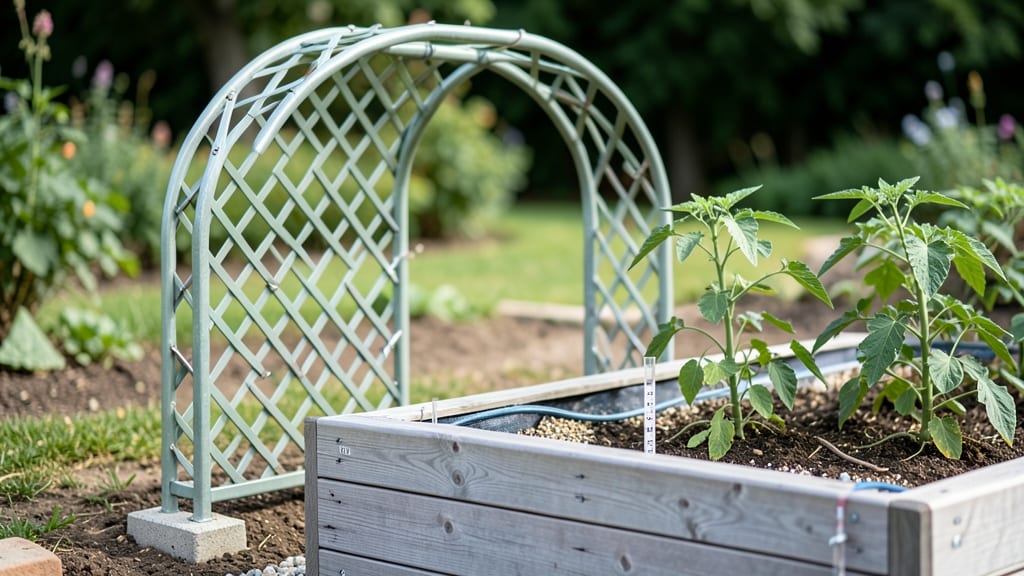
Getting the right raised garden bed height is the foundation of a thriving garden — too shallow and your plants struggle, too tall and you’re fighting drainage and maintenance headaches.
Picture this: you’ve spent hours building the perfect bed, only to watch your tomatoes and carrots refuse to grow because the roots hit hardpan at 6 inches deep. Or worse, your bed becomes a soggy mess because it’s too deep for proper drainage.
The wrong height isn’t just a minor setback—it’s a silent killer of your harvest.
Most gardeners assume 12 inches is the magic number, but the truth is more nuanced. Shallow-rooted herbs like basil need just 6 inches of soil, while deep-rooted veggies like potatoes demand 18 inches or more.
Then there’s accessibility: taller beds reduce bending, but they also require sturdier materials to avoid collapsing under the weight of soil and water.
In this guide, I’ll break down the ideal raised garden bed height for different plants, how to balance drainage and soil temperature, and the 3 most common mistakes that ruin beds before they even get planted.
By the end, you’ll know exactly how high (or low) to build for your 🌱 General Raised Garden Bed Plants in Zone 6a.

Optimal raised garden bed height for root depth and plant types
Choosing the right raised garden bed height isn’t just about aesthetics—it’s about giving your plants the root space they need to thrive.
Shallow-rooted herbs like basil and thyme can thrive in just 6-12 inches of soil, while deep-rooted vegetables like asparagus or carrots demand 18-24 inches to reach their full potential. The wrong height can lead to stunted growth, poor yield, or even plant failure.
Most gardeners default to 12-inch beds, but this often falls short for heavy feeders. I’ve learned that 18-24 inches is the sweet spot for most vegetables, striking a balance between root depth and maintenance ease.
For berry bushes or fruit trees, you’ll need even deeper—up to 36 inches—to accommodate their extensive root systems.
Here’s the key: Soil depth directly impacts yield. Plants with deeper roots can access nutrients and moisture more efficiently, leading to healthier growth and higher productivity. For example, tomatoes in a 12-inch bed may produce smaller fruits compared to those in a 18-inch bed, where roots can spread freely.
Let’s break it down by plant type so you can tailor your bed height to your garden’s needs. Whether you’re growing leafy greens, root vegetables, or herbs, the right depth makes all the difference.
For shallow-rooted herbs like basil or cilantro, a 12-inch bed is perfect—it’s easy to maintain and prevents soil compaction. I’ve seen these plants thrive in shallower beds because their roots don’t need much depth to access nutrients.
However, if you’re growing tomatoes or peppers, those 18-24 inches become critical for strong stems and abundant fruit production.
One common mistake I’ve seen is underestimating the needs of deep-rooted perennials. Plants like asparagus or rhubarb can take years to establish, and if their roots hit the bottom of a 12-inch bed, they’ll struggle to grow.
Investing in a 24-36 inch bed for these plants pays off in long-term productivity and fewer replanting headaches.
Another factor to consider is soil quality. Deeper beds allow you to layer compost and organic matter more effectively, improving drainage and nutrient retention. I recommend adding a 4-6 inch layer of compost at the bottom of deeper beds to create a nutrient-rich foundation for roots to explore.
If you’re growing a mix of plants, consider creating multiple bed heights in your garden layout. For example, dedicate a 12-inch bed to herbs and a 18-inch bed to vegetables.
This way, you optimize space without compromising on root depth for any plant type. Just ensure all beds have proper drainage holes to prevent waterlogging, regardless of height.
Pro tip: If you’re unsure about your bed height, start with 18 inches—it’s versatile enough for most vegetables and gives you room to experiment with deeper-rooted plants later. Over time, you’ll learn which heights work best for your specific garden conditions and plant varieties.
Remember, the goal is to mimic the natural root environment of your plants. In the wild, most plants grow in soil with ample depth, and your raised bed should do the same. With the right height, you’ll see healthier plants, better yields, and a garden that’s
How raised garden bed height affects drainage and soil temperature
When you build a raised bed, the height isn’t just about aesthetics—it’s a critical factor for two key elements: drainage and soil temperature. Taller beds drain faster, preventing root rot, while shorter beds warm up quicker in spring.
But get it wrong, and you’ll either drown your plants or delay germination for weeks. The ideal height depends on your climate, soil type, and the plants you’re growing.
For example, in Zone 6a, where frost lingers until mid-April, a 6-inch-tall bed warms up 2-3 weeks faster than ground-level soil, giving you an earlier start on basil and lettuce.
Meanwhile, a 12-inch bed improves drainage for potatoes and carrots, which hate soggy roots. The trade-off? Taller beds dry out quicker in summer, so you’ll need to water more often.
Here’s the science: raised beds create an insulated microclimate. The air gap beneath the bed acts as a buffer, keeping soil 5-10°F warmer in spring and cooler in summer. But if your bed is too deep (over 18 inches), the bottom soil stays cold longer, slowing root development.
Conversely, shallow beds (6 inches) warm up fast but may not drain well in heavy clay soils.
| Bed Height | Drainage Impact | Soil Temp Effect | Best For |
|---|---|---|---|
| 6 inches | Poor (risks waterlogging in clay) | Warms fastest in spring | Herbs, lettuce, strawberries |
| 12 inches | Good (fast drainage) | Moderate warming (2-3 weeks early) | Vegetables, flowers, root crops |
| 18+ inches | Excellent (prevents rot) | Slower warming (bottom stays cool) | Trees, deep-rooted veggies |
To balance drainage and temperature, aim for 12 inches as a starting point. Add gravel or landscape fabric at the bottom to improve drainage without sacrificing warmth.
For Zone 6a, I’ve found that a 12-inch bed with 6 inches of compost-rich soil (on top of 6 inches of drainage material) gives the best results—fast warming for early spring planting and excellent drainage for summer.
Pro tip: If you’re growing heat-loving plants like tomatoes or peppers, consider a slightly taller bed (14-16 inches) to retain moisture while still allowing good airflow. Just monitor soil moisture closely—taller beds can dry out 30% faster than ground-level plots. Mulch heavily to retain moisture and regulate temperature.
Remember, the right height isn’t one-size-fits-all. Test your bed’s drainage by filling it with water and timing how long it takes to drain completely. If it’s still soggy after 30 minutes, add more drainage material or choose a shallower depth.
For 🌱 General Raised Garden Bed Plants, start with 12 inches, adjust based on your soil, and watch your plants thrive!