
Tools
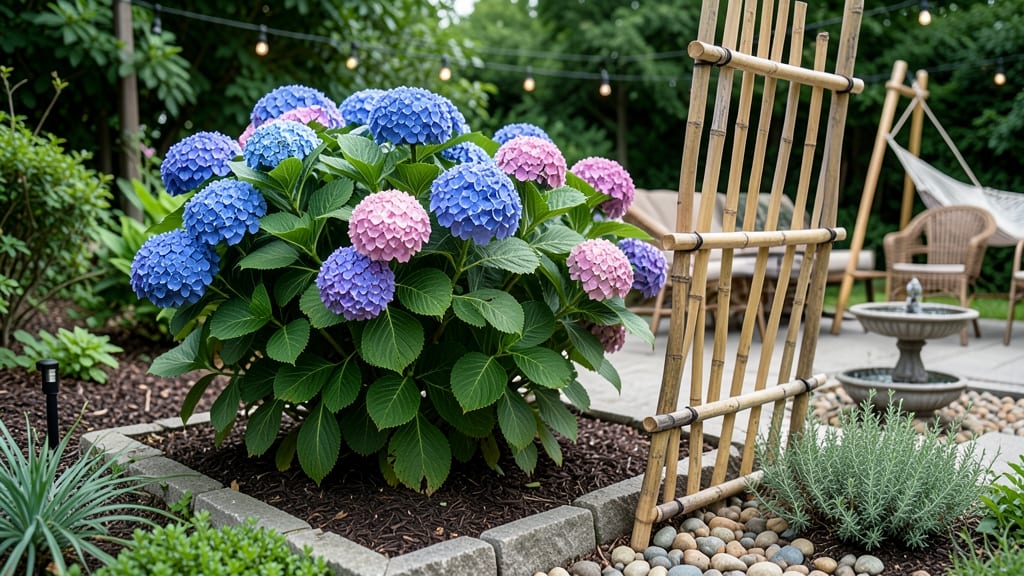
A screened-in garden creates a private outdoor oasis where you can relax without bugs, wind, or unwanted guests 🌿 — and the best part? It’s easier to build than you think.
Picture this: a cozy corner of your yard where you can sip morning coffee surrounded by lush greenery, or host dinner parties under string lights without a single mosquito buzzing by. The key is choosing the right materials and layout to keep airflow fresh while blocking pests and prying eyes.
Whether you’re working with a small balcony or a sprawling backyard, the right screening plants and structural elements can transform any space into a functional retreat. From bamboo shades to decorative lattice panels, we’ll show you how to pick what works best for your climate and style.
Ready to design a garden that feels like an escape? Below, I’ll walk you through privacy solutions, plant picks, and layouts that make every square foot count—without sacrificing beauty or comfort.
Best privacy screening materials for screened-in gardens
A screened-in garden creates a magical balance between outdoor privacy and natural airflow, but choosing the right screening material can make all the difference. Whether you prefer organic textures or modern durability, each option impacts your garden’s aesthetics, maintenance, and plant health.
Let’s explore the top materials to help you decide which fits your vision best.
For a natural, eco-friendly look, materials like bamboo shades and lattice panels blend seamlessly with greenery, while synthetic options like polyester mesh and decorative fencing offer low-maintenance solutions.
The key is balancing privacy levels, airflow needs, and visual appeal—especially if you’re growing plants that thrive in semi-enclosed spaces.
Below, I’ve compared four popular screening materials based on durability, aesthetics, airflow, and ease of installation to help you make an informed choice. Each option has unique pros and cons, so let’s dive into the details!
📌 Pro Tip: Measure your garden space before purchasing materials. Most screening options come in standard panel sizes (e.g., 4’x8’), but custom cuts may be needed for irregular shapes.
Bamboo shades are my top pick for gardeners who love a natural, organic feel. They’re lightweight, easy to install, and provide just enough shade to protect plants from harsh sunlight while allowing ample airflow. However, they require occasional sealing to prevent warping, especially in humid climates. Pair them with climbing vines like jasmine or clematis for a lush, private retreat.
Lattice panels are a fantastic choice if you want to maximize airflow while still offering some privacy. Their open design lets sunlight filter through, making them ideal for sun-loving plants like tomatoes or herbs. Plus, they’re low-maintenance and blend well with almost any garden style. For a modern twist, opt for powder-coated metal lattices that resist rust.
Polyester mesh is a game-changer for gardeners dealing with insects or wind. It blocks up to 90% of pests while still allowing light and air to pass through, which is perfect for delicate plants like ferns or calatheas. The mesh is also UV-resistant and won’t degrade quickly, making it a long-term investment. Choose a fine weave for better privacy without sacrificing airflow.
If you’re going for complete privacy and don’t mind sacrificing some airflow, decorative fencing is the way to go. Whether you choose wooden picket fences, vinyl panels, or metal screens, you’ll create a cozy, enclosed space that feels like a secret garden.
Just remember to leave small gaps at the top for ventilation—this prevents humidity buildup, which can harm plants over time.
For small gardens, consider combining materials. For example, use bamboo shades on one side for a breezy, open feel and polyester mesh on another for extra privacy. This hybrid approach lets you tailor your screened-in garden to your specific needs while keeping it visually dynamic.
Don’t forget to test airflow after installation—your plants will thank you!
🌿 Whether you prioritize natural beauty, low maintenance, or pest protection, there’s a screening material that’s perfect for your screened-in garden. Take your time experimenting with different
Creative screened-in garden layouts for small and large spaces
A screened-in garden isn’t just about blocking pests—it’s about crafting a space that works for your lifestyle. Whether you have a tiny balcony or a sprawling backyard, the right layout can maximize every inch while keeping your garden thriving.
The key is balancing functionality with aesthetics, ensuring airflow and sunlight reach your plants while creating a cozy retreat for you.
For small spaces, think vertically and multi-purpose. Corner nooks with climbing vines or tiered planters can add depth without taking up floor space. In larger areas, you can incorporate multi-level terraces, integrated seating, and even water features to elevate the design.
Each layout should prioritize plant compatibility—some thrive in shaded corners, while others need direct sunlight near screened edges.
Space-Optimizing Screened-In Garden Layouts
- 1 Corner Nook Layout – Ideal for small spaces, use vertical screens with climbing plants like jasmine or clematis to fill empty corners. Add a wall-mounted planter for herbs or succulents.
- 2 Multi-Level Terraces – Perfect for larger yards, create stepped levels with raised beds or stone platforms. Plant drought-tolerant shrubs like lavender or rosemary on upper tiers for easy access.
- 3 Integrated Seating Areas – Combine a screened pergola with built-in benches or swing chairs. Use shade-loving plants like ferns or impatiens to soften the space.
- 4 Vertical Garden Walls – Install modular planters on screens to grow edibles like strawberries or microgreens. This maximizes space while adding a modern touch.
- 5 Sunroom-Inspired Layout – Use sheer curtains or lattice screens to diffuse light while keeping bugs out. Place citrus trees or palms near windows for a tropical vibe.
When designing your layout, consider the sunlight patterns in your space. South-facing screens can support full-sun plants like tomatoes or sunflowers, while north-facing areas are better for shade-tolerant varieties like hostas or calatheas. Always leave gaps for airflow—even in enclosed spaces, plants need ventilation to prevent fungal issues.
For a cohesive look, stick to a color palette that complements your home’s exterior. Pair evergreen shrubs like boxwood with flowering annuals for year-round interest. Don’t forget to include pathways or stepping stones to connect different zones—this keeps the space functional while adding visual appeal.
Finally, think about how you’ll use the space. Will it be a quiet reading nook, a dining area, or a play zone for kids? Each use requires different plant selections and furniture placements.
For example, a dining area might need low-maintenance ground covers like creeping thyme, while a play area could benefit from soft, child-safe plants like lamb’s ear or dusty miller.
With the right layout, your screened-in garden will feel like a natural extension of your home—private, productive, and perfectly tailored to your needs. Start small, experiment with different designs, and let your plants guide the way! 🌿