
Tools
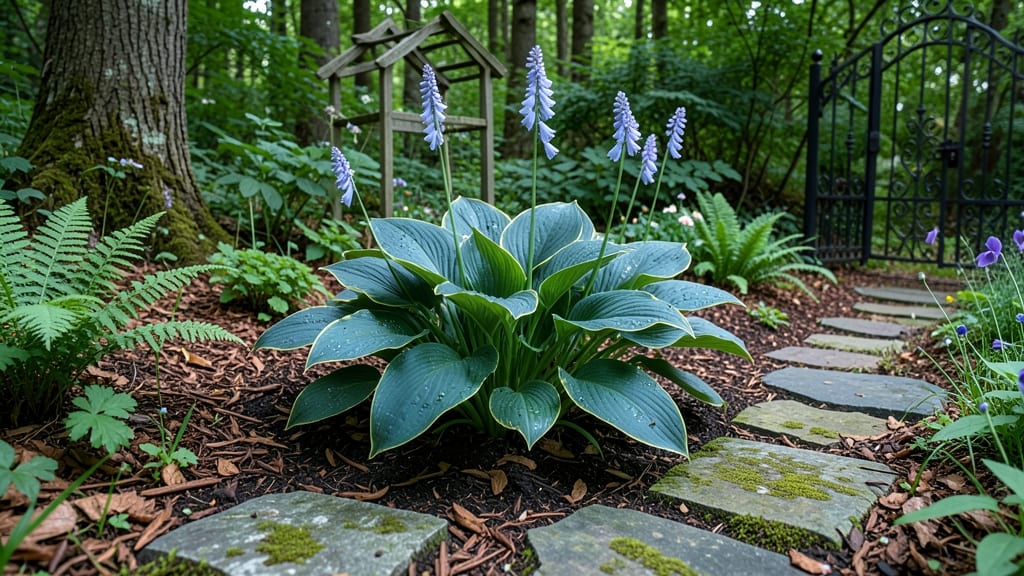
Secret Garden Seattle creates vibrant urban green spaces by maximizing vertical growth, container gardening, and layered plant arrangements to enhance privacy and functionality in compact areas like balconies and rooftops. Native Pacific Northwest species adapt well to Seattle's limited sunlight and tight spaces.
This approach isn't just about aesthetics—it's a strategic way to work with Seattle's unique climate challenges. 🌿 Vertical gardens help capture precious sunlight in shaded areas, while container plants allow you to rotate crops seasonally.
The layered foliage technique creates visual depth, making small spaces feel larger while providing natural privacy screens. I've seen these methods turn postage-stamp patios into lush retreats that actually produce herbs, berries, and even small vegetables.
The real magic happens when you select plants that thrive in Seattle's specific conditions. Native varieties like sword ferns and Oregon grape don't just survive—they flourish with minimal intervention. Dwarf conifers add year-round structure, while heuchera brings vibrant foliage colors that brighten dark corners.
The key is understanding how these plants interact with Seattle's 6-8 months of rain and variable sunlight patterns.
💡 In This Article
- Vertical Gardening Solutions for Seattle’s Urban Spaces
- Best Low-Maintenance Plants for Seattle’s Secret Gardens
Vertical gardening solutions for Seattle’s urban spaces
Seattle’s urban gardening thrives on vertical solutions because horizontal space is often scarce. The city’s mixed sunlight patterns—where some areas get only 2-4 hours of direct sun daily—make vertical gardens ideal for capturing light.
Trellises with climbing plants like ivy or clematis can transform blank walls into living screens, while wall-mounted planters (like those with built-in irrigation) allow you to grow herbs and succulents in tight corners.
The key is using lightweight materials like coconut coir or plastic mesh planters, which handle Seattle’s 20-30 inches of annual rainfall without rotting or cracking.
Drainage is non-negotiable in Seattle’s wet climate. I’ve found that fabric grow bags with drainage holes prevent root rot, while modular wall systems let you adjust plant spacing as they grow.
For heavier plants like dwarf conifers or ferns, distribute weight evenly—think 10-15 pounds per square foot—and use L-shaped brackets anchored into studs.
Hanging gardens, like those with macramé or metal chains, work beautifully for trailing plants such as sword ferns or creeping thyme, but ensure they’re 6-12 inches from the wall to avoid moisture buildup.
Seattle’s humidity also demands careful plant selection. Plants like English ivy or Boston ferns love the moisture but need airflow to prevent fungal issues. I recommend spaced-out planters with 2-3 inches between plants to improve circulation.
For rooftop gardens, windproofing is critical—use windbreaks or low-profile planters to shield delicate foliage from 20+ mph gusts common in the city. The result? A lush, productive vertical garden that stays healthy year-round without constant upkeep.
Layering is where the magic happens. Start with tall plants like dwarf conifers or ornamental grasses at the back, then add medium-height shrubs such as heuchera, and fill gaps with trailing or ground-cover plants. This creates depth and hides structural elements while maximizing space.
In shady balconies, I’ve seen hostas or Japanese painted ferns thrive in the understory, proving that even 2 hours of indirect light can support vibrant growth.
One often-overlooked detail is seasonal rotation. Swap out heavy winter plants (like holly or wintercreeper) for lighter spring/summer varieties (such as coleus or nasturtiums) to reduce structural strain. This also keeps your garden visually dynamic.
For example, a 10-gallon container on a balcony can host 4-6 plants in spring but only 2-3 hardy evergreens in winter. The flexibility of vertical gardening makes it perfect for Seattle’s ever-changing weather.
Pro tip: Use reflective surfaces—like light-colored walls or mirrors—near your vertical garden to amplify 20-30% more light to shade-loving plants. This trick is especially useful in north-facing urban spaces where sunlight is scarce. Combine it with self-watering systems, and you’ll spend 50% less time maintaining your garden. 🌿