
Tools
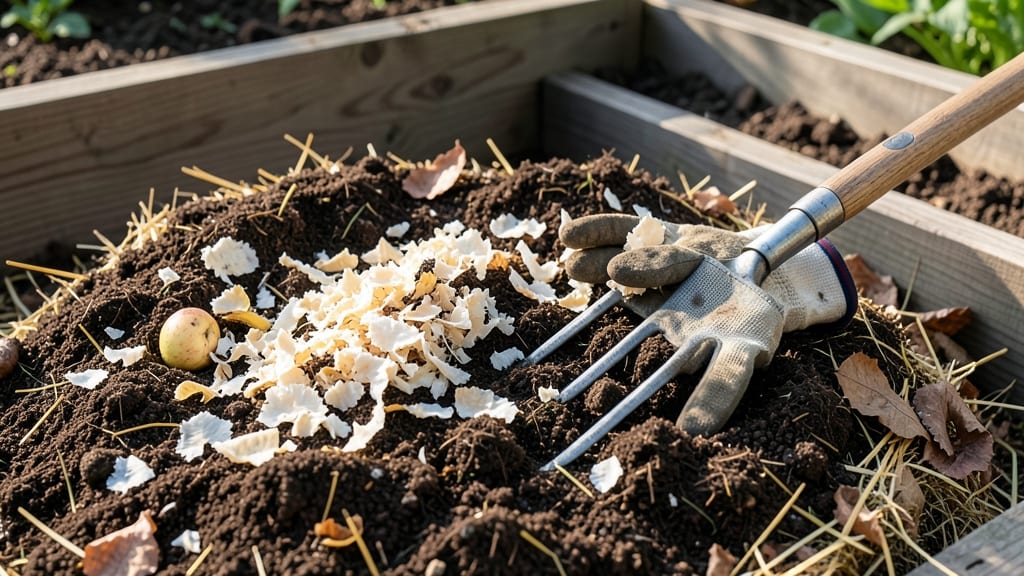
Shredded paper in gardens acts as a dual-purpose mulch that decomposes into nutrient-rich compost while blocking weeds by cutting off sunlight. This eco-friendly method enhances soil health naturally for organic gardeners.
This simple garden hack works because paper breaks down slowly, releasing carbon-rich nutrients that feed soil microbes. 🌱 Unlike synthetic mulches, it won't disrupt your compost system—just avoid glossy or colored papers, which can contain harmful chemicals.
I've found the best results come from layering 2-3 inches of shredded paper around plants in early spring, letting it decompose gradually while keeping weeds at bay.
For maximum benefits, pair it with nitrogen-rich materials like grass clippings to balance the carbon-to-nitrogen ratio. The paper also helps retain moisture, reducing your watering needs while creating a protective barrier against soil erosion. What's surprising is how well it mimics natural leaf litter—just without the mess!
💡 In This Article
- How Shredded Paper Improves Soil Fertility
- Best Practices for Applying Shredded Paper Mulch
How shredded paper improves soil fertility
Shredded paper works like nature's original mulch because it mimics the slow decomposition of fallen leaves. When you spread it in your garden, the cellulose fibers break down through microbial action, releasing organic matter that improves soil structure.
This process adds carbon to your soil, which feeds beneficial microbes and fungi that help break down other organic materials.
The key here is the carbon-to-nitrogen (C:N) ratio—paper has a high carbon content (around 50:1), so pairing it with nitrogen-rich materials like grass clippings or coffee grounds helps balance the mix for faster decomposition.
The decomposition rate depends on paper thickness and moisture levels. In ideal conditions, uncoated paper breaks down in 3-6 months, while thicker sheets may take up to a year.
During this time, the paper creates a protective layer that prevents soil compaction from rain or foot traffic, allowing roots to penetrate more easily. You'll notice the soil becomes looser and darker over time as the paper integrates, similar to how compost amends garden beds. 🌱 The best part?
This process happens without disturbing your existing soil ecosystem.
What makes this method particularly effective is how it supports microbial diversity. The paper provides habitat for decomposers like bacteria and fungi, which in turn create channels in the soil that improve aeration and water infiltration.
Studies show that mulched soils can retain 25-30% more moisture than bare soil, reducing your watering needs while keeping roots cool during hot weather. This is especially valuable in drought-prone areas where every drop counts.
For maximum fertility benefits, avoid colored or glossy papers—they often contain plastic coatings or toxic inks that can harm soil life. Plain white or brown paper (like newspaper or printer paper) breaks down cleanly and adds nutrients without introducing harmful chemicals.
The paper also helps regulate soil temperature by providing shade during summer heat, which prevents nutrient loss through volatilization. This makes it an excellent choice for vegetable gardens where nutrient availability directly impacts plant health.
One surprising advantage is how shredded paper prevents soil-borne diseases. By creating a physical barrier, it reduces splashing of contaminated water onto plant stems—a common issue in traditional gardening. The paper's fibrous structure also traps beneficial insects like ground beetles, which help control pests naturally.
Over time, you'll see stronger, healthier plants with fewer problems from soil pathogens. 💫
The nutrient release from decomposing paper isn't just about carbon—it also includes trace minerals like potassium and phosphorus, though in smaller amounts. These elements become more available to plants as the paper breaks down, creating a slow-release fertilizer effect.
Unlike chemical fertilizers that provide quick but temporary boosts, paper mulch delivers sustained nutrition that builds soil health over seasons. This makes it particularly valuable for long-term garden maintenance.