
Pests
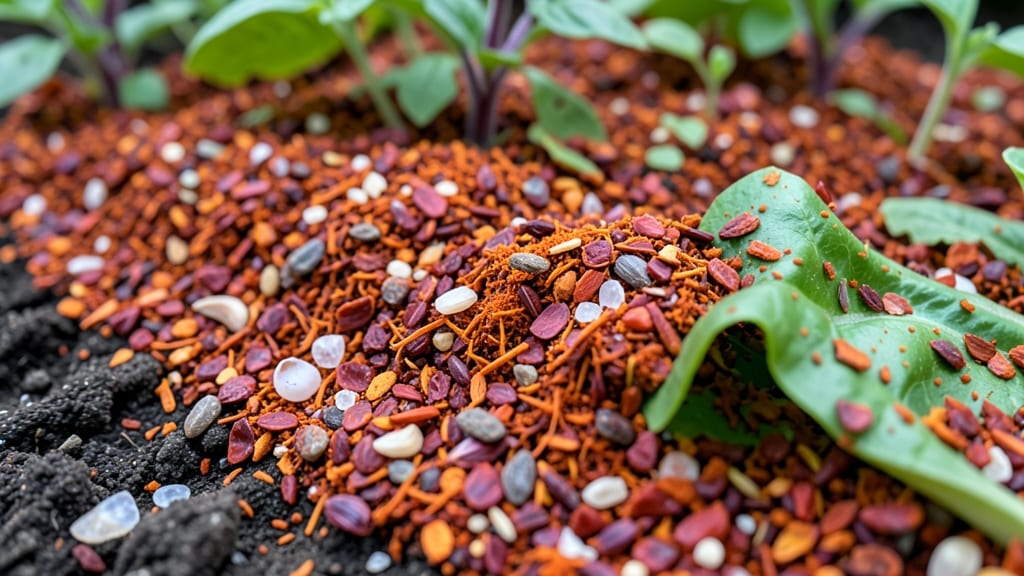
Squirrel repellent for gardens works best when applied strategically to deter rodents from digging or eating plants, using sprays, granules, or natural barriers like peppermint oil or castor oil-based solutions. Always follow label instructions for safety and reapply after rain.
Squirrels are drawn to gardens for food and shelter, but their digging and chewing can damage plants and landscaping. 🌱 The key to effective squirrel deterrence lies in disrupting their senses—strong smells like peppermint or bitter tastes from castor oil confuse their foraging instincts.
I’ve found that combining repellents with physical barriers (like wire mesh) creates a multi-layered defense that’s far more reliable than relying on one method alone. Timing matters too: squirrels are most active at dawn and dusk, so applying repellents during these windows maximizes their effectiveness.
For organic gardeners, peppermint oil is a top choice because its scent lingers longer than most commercial sprays.
Just dilute it properly—undiluted oil can harm plants. 💛 If you’re dealing with persistent squirrels, consider a granular repellent with capsaicin (the compound that makes peppers spicy), which irritates their paws when they dig.
Always test repellents on a small area first to check for plant sensitivity, and store them securely to keep pets and children safe.
💡 In This Article
- How Squirrel Repellents Work: Active Ingredients and Science
- Top Natural and Commercial Squirrel Repellent Options for Gardens
How squirrel repellents work: active ingredients and science
Squirrel repellents primarily work by exploiting their highly developed senses of smell and taste. The most effective ingredients—like peppermint oil or capsaicin—trigger an instinctive avoidance response. Peppermint oil, for example, contains menthol, which squirrels perceive as bitter and overwhelming.
When applied to soil or plants, this scent lingers for 1-2 weeks and disrupts their foraging patterns, forcing them to seek food elsewhere. 🔥 The key is concentration: a 10% dilution of peppermint oil in water creates the optimal repellent strength without harming plants.
Castor oil-based repellents use ricinoleic acid, a bitter compound that makes squirrels gag when they taste it. This works because squirrels rely on their sense of taste to identify safe foods. When they encounter bitter flavors, their natural survival instinct kicks in, teaching them to avoid that area.
Commercial repellents often combine bittering agents with strong scents like garlic or chili powder to create a multi-sensory deterrent. The science here is simple: squirrels associate these unpleasant experiences with your garden and avoid it.
Timing plays a crucial role in repellent effectiveness. Squirrels are crepuscular, meaning they’re most active at dawn and dusk. Applying repellents during these windows ensures the scents are fresh when they’re most likely to investigate.
Rain can wash away sprays, so reapplication every 7-10 days or after heavy rain is essential. For granular repellents, watering them into the soil at sunrise helps them bind to the roots, making them harder for squirrels to dig around.
Physical barriers complement repellents by creating a multi-layered defense. Squirrels can’t climb smooth surfaces, so wrapping tree trunks with aluminum foil or installing wire mesh around vulnerable plants adds an extra layer of protection. This works because squirrels rely on tactile cues to navigate, and unfamiliar textures throw them off.
The combination of scent-based repellents and physical barriers creates a psychological barrier that’s far more effective than either method alone.
It’s also worth noting that squirrels have excellent memories. If they repeatedly find food despite repellents, they may eventually ignore them.
That’s why rotating repellent types—like switching between peppermint oil and capsaicin-based sprays—keeps them guessing. 💫 The goal is to make your garden an unpleasant experience, not just a temporary nuisance.
Consistency is key: squirrels learn faster than we think, and once they associate your garden with discomfort, they’ll move on to easier targets.