
Vegetables
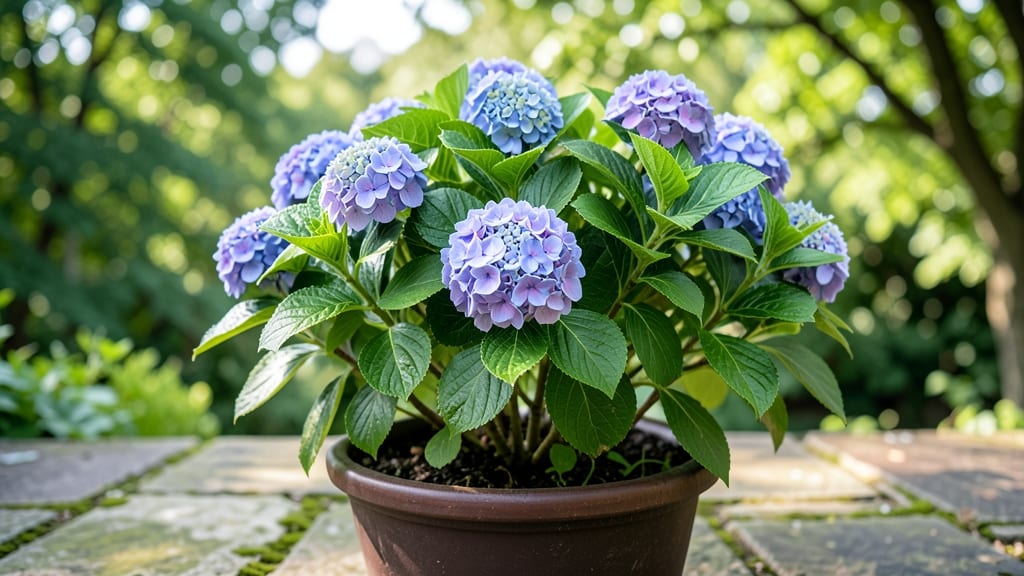
Stan Hywet Hall and Gardens offers a blend of historic architecture and breathtaking botanical displays, showcasing rare plant collections, seasonal floral arrangements, and unique exhibits like the Conservatory’s tropical plants and the underground tunnels. Visitors should time their trips to coincide with spring tulip festivals or autumn foliage for the most vibrant experiences.
Stan Hywet Hall and Gardens isn’t just Ohio’s most lavish estate—it’s a living museum where horticulture meets history. 🌿 The Conservatory’s tropical plants, like orchids and ferns, thrive year-round, while the underground tunnels offer a mysterious glimpse into the estate’s original construction.
Beyond the famous tulip festivals, the gardens host lesser-known events like the Holiday Lights display, transforming the estate into a winter wonderland. Pro tip: The private greenhouse tours reveal how rare specimens are cultivated, making it a must for plant enthusiasts.
For the best experience, plan your visit around the estate’s seasonal transformations. Spring brings 100,000+ tulips in bloom, while autumn showcases fiery foliage and pumpkin displays. The underground tunnels, often overlooked, are a fascinating detour with original stonework and hidden chambers.
Whether you’re drawn to the historic mansion or the meticulously designed gardens, Stan Hywet delivers a full-day experience that blends education, beauty, and tranquility.
💡 In This Article
- Exploring Stan Hywet’s Rare Plant Collections and Botanical Wonders
- Seasonal Visitor’s Guide: Best Times and Hidden Gems
Exploring Stan Hywet’s rare plant collections and botanical wonders
The Conservatory at Stan Hywet is a climate-controlled sanctuary housing over 500 tropical plant species, including rare orchids like the Phalaenopsis and delicate ferns from Southeast Asia. These plants thrive year-round thanks to precise temperature control—maintaining 70-80°F with 60-70% humidity—mimicking their native habitats.
The greenhouse’s curved glass roof, designed in the 1930s, maximizes sunlight while protecting delicate foliage from Ohio’s harsh winters. 🌿
One standout collection is the peony garden, featuring over 150 varieties that bloom from late May to June.
Peonies were favored by 19th-century European aristocracy for their opulent, fragrant blooms, and Stan Hywet’s collection includes heirloom cultivars like 'Sarah Bernhardt', a double-flowered pink variety named after the famous actress.
The estate’s horticulturists use a layering technique—planting peony roots horizontally just below the soil surface—to encourage robust, multi-stemmed growth. This method, combined with well-draining soil mixes, ensures each plant produces 5-10 blooms per stem.
Beyond the Conservatory, the underground tunnels—originally built in 1915—house rare cacti and succulents that require minimal water. These plants, like the Echeveria and Mammillaria species, store water in their leaves and stems, allowing them to survive in the tunnels’ 55-65°F environment with 30-40% humidity.
The tunnels also feature original stonework and brick arches, offering a glimpse into the estate’s early infrastructure while serving as a microclimate for drought-resistant species. 🌵
Seasonal transformations are equally impressive. In spring, the tulip festival showcases 100,000+ bulbs planted in 1927, including rare Darwin Hybrid tulips with 6-inch-wide blooms.
Autumn brings fiery foliage from Japanese maples and smoke trees, while winter’s Holiday Lights display features 1 million LED lights and 30+ decorated trees. Each season, the gardens rely on rotational planting—swapping out seasonal blooms—to maintain visual interest year-round.
The estate’s private greenhouse tours reveal how rare specimens are cultivated, including bromeliads that take 3-5 years to flower and Victoria amazonica water lilies, whose leaves can grow up to 3 feet wide.
These tours highlight the propagation techniques used, such as air layering for orchids and seed stratification for rare bulbs, ensuring the collection’s longevity. For plant enthusiasts, the greenhouse’s living library of botanical books—dating back to the 18th century—adds an extra layer of historical context. 📚
What makes Stan Hywet’s collections unique is their historical continuity. Many plants were introduced by Frederick C. Stone, the estate’s original owner, who traveled Europe collecting 1,000+ plant varieties in the 1920s.
Today, the gardens maintain these original species alongside modern hybrids, creating a living archive of horticultural history. The estate’s certified arborists use soil pH testing and pest monitoring systems to preserve this legacy, ensuring each plant thrives in its ideal conditions. 🌸