
Tools
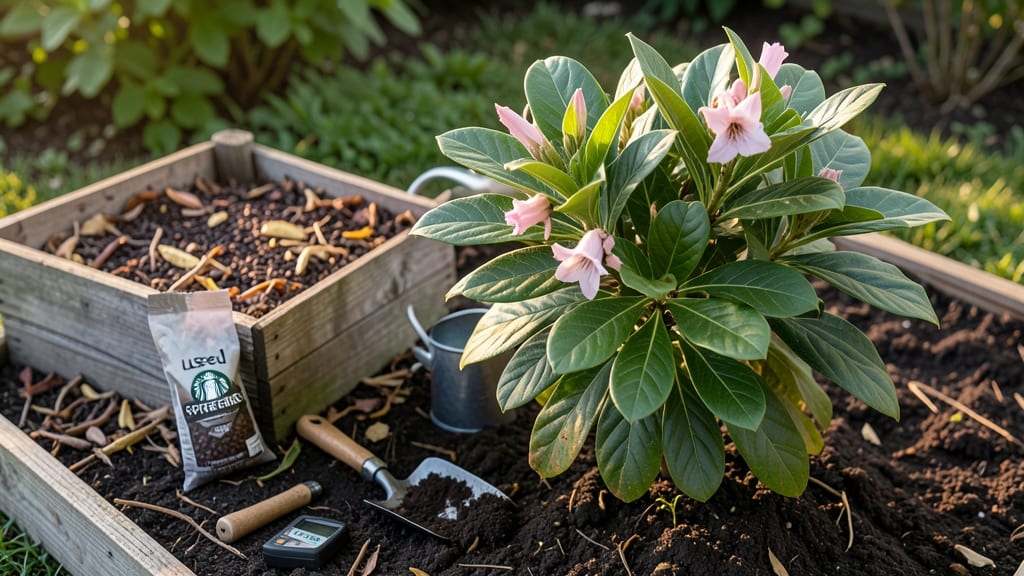
Using Starbucks coffee grounds in your garden enriches soil with nitrogen, improves drainage, and deters pests like slugs, while also providing a free, nutrient-rich mulch for acid-loving plants like blueberries and azaleas. Always compost or dry them first to prevent mold and over-acidification.
Starbucks coffee grounds are a gardener's secret weapon because they're packed with organic nitrogen that feeds soil microbes and plants alike. 🌱 The grounds also repel slugs and snails naturally, making them a dual-purpose amendment.
I've found that mixing them into compost piles speeds up decomposition, while sprinkling them around acid-loving plants gives those varieties an extra growth boost without breaking the bank.
What sets these grounds apart is their dual functionality—they work as both fertilizer and mulch. The key is proper preparation: drying them first prevents mold buildup, and composting ensures they break down evenly.
For best results, I recommend layering them in garden beds or mixing them into homemade compost tea for a nutrient-rich liquid fertilizer.
💡 In This Article
- How Coffee Grounds Boost Soil Health
- Best Ways to Repurpose Starbucks Coffee Grounds in Gardening
How coffee grounds boost soil health
The real magic of Starbucks coffee grounds lies in their nitrogen content, which sits at about 2% by weight—far higher than most household waste. This nitrogen acts as a fertilizer, feeding soil microbes that break it down into plant-available forms like ammonium and nitrate.
These compounds become the building blocks for chlorophyll production, giving your plants that lush, green growth we all love. 🌱 The process also stimulates microbial activity, creating a thriving ecosystem that improves soil structure over time.
Beyond nitrogen, coffee grounds contain small amounts of phosphorus and potassium, the three key nutrients in any balanced fertilizer. What's unique is how these grounds improve soil aeration—their coarse texture creates tiny air pockets when mixed into soil, enhancing root respiration.
This is especially valuable for heavy clay soils, which often suffocate plant roots. The grounds also act as a natural water retention aid, absorbing moisture like a sponge while gradually releasing it to plant roots, reducing watering frequency by up to 30%.
The pH impact is where things get interesting. Fresh coffee grounds are acidic (pH 4.5-5.5), which makes them ideal for acid-loving plants like blueberries, azaleas, and rhododendrons. However, when properly composted, their acidity mellows to a more neutral range (pH 6.0-7.0), making them safe for most garden plants.
The key is mixing them with equal parts compost—this dilutes their acidity while maintaining their nutrient benefits. 💫 What most gardeners don't realize is that this composting process also converts the grounds into a slow-release fertilizer, preventing nutrient spikes that can burn plant roots.
Here's the science behind their pest-deterring properties: The caffeine and tannins in coffee grounds act as natural repellents for slugs, snails, and even some insects. These compounds disrupt the pests' feeding patterns without harming beneficial organisms like earthworms.
In fact, earthworms actually thrive in coffee-amended soil—their castings further enrich the soil with nutrients. For maximum effectiveness, sprinkle a thin layer (1/4 inch) around vulnerable plants or create a barrier between garden beds and mulch.
One often-overlooked benefit is their ability to suppress weeds. The dense layer of grounds blocks sunlight, preventing weed seeds from germinating while maintaining soil moisture. This dual action makes them an excellent mulch alternative, especially in container gardens where space is limited.
The grounds also help regulate soil temperature, keeping roots cooler in summer and warmer in winter—a boon for tender plants like tomatoes and peppers.
For best results, aim to use 1-2 cups of dried coffee grounds per square foot of garden bed, mixed into the top 2-3 inches of soil. This ratio provides enough nutrients without over-acidifying the soil.
Over time, you'll notice improved soil tilth (texture) and a noticeable increase in beneficial microbial activity, which is visible through darker, richer soil and healthier plant growth. 🌿 The transformation happens gradually but consistently over 2-3 months of regular application.