
Tools
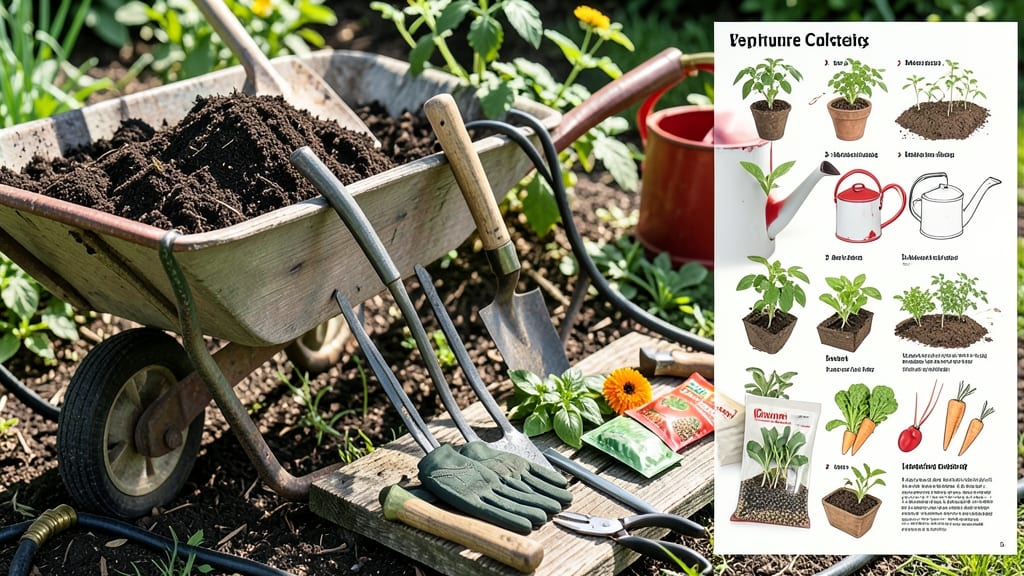
Gardening steps for beginners start with the right preparation—because even the hardiest plants need a strong foundation to thrive.
Picture this: You’ve picked your plot, dug in the soil, and planted your first seeds—only to watch them wilt under the sun or drown in your well-intentioned watering. That’s why mastering the basics isn’t just helpful; it’s the difference between a frustrating flop and a flourishing garden.
From soil prep to pest control, these foundational steps cover everything you need to know, whether you’re growing veggies in pots or flowers in the ground. No green thumb required—just a willingness to learn and a little patience.
By the end, you’ll have a clear, step-by-step roadmap to turn dirt into dinner, cuttings into blooms, and blank space into a lush, productive garden. Let’s get started.
Step-by-step gardening process for absolute beginners
Starting a garden can feel intimidating, but breaking it down into simple, manageable steps makes it achievable for anyone. Whether you're growing vegetables, flowers, or herbs, these proven steps for gardening will help you build confidence and create a thriving garden from scratch.
The key is to start small, plan carefully, and focus on the basics before expanding.
I’ve helped countless beginners transform their yards (or even balconies) into lush gardens by following this exact process. The beauty of gardening is that every expert was once a beginner—so don’t worry about making mistakes.
What matters is that you start, learn, and adapt along the way. Let’s dive into the essential steps to set you up for success.
Select a spot with at least 6 hours of sunlight daily for most plants. Observe your yard to identify areas with the best light exposure—this is critical for healthy growth. Avoid low-lying spots where water pools, as this can lead to root rot.
Use a soil test kit (available at garden centers) to check pH and nutrient levels. Most vegetables prefer a slightly acidic to neutral soil (pH 6.0–7.0). Amend your soil with compost or organic matter to improve drainage and fertility.
Sketch a simple layout on paper, grouping plants with similar water needs and sunlight requirements. Leave 12–18 inches between plants to allow for airflow and easy maintenance. Consider adding mulch to retain moisture and suppress weeds.
Follow the planting schedule for your climate—most cool-season crops (like lettuce or peas) go in early spring, while warm-season crops (like tomatoes or peppers) wait until after the last frost. For seeds, plant them at the depth recommended on the packet.
Water your garden in the early morning to reduce evaporation and fungal risks. Aim for 1 inch of water per week, adjusting for rainfall. Use a soaker hose or drip irrigation to deliver water directly to the roots without wasting it.
Once your plants are in the ground, the real magic happens with regular care. I recommend checking your garden daily for the first few weeks to monitor for pests, diseases, or signs of stress.
For example, yellowing leaves often signal overwatering or nutrient deficiencies, while chewed foliage might mean it’s time to introduce beneficial insects or organic pest control.
Fertilizing is another key step for gardening success. Use a balanced organic fertilizer (like 10-10-10) every 4–6 weeks during the growing season. Always water before and after applying fertilizer to prevent root burn. For container gardens, fertilize more frequently—about every 2–3 weeks—since nutrients wash out faster.
Don’t forget to keep an eye on the weather! If a heatwave is forecasted, provide shade cloth for delicate plants like lettuce or spinach. Conversely, a sudden cold snap might require covering young seedlings with row covers or frost blankets.
Paying attention to these weather cues will help you protect your garden and extend the growing season.
Finally, embrace the learning process. Gardening is as much about observation as it is about action. Keep a simple journal to track what you plant, when you plant it, and how it performs.
Over time, you’ll notice patterns—like which plants thrive in your soil or which pests are most common—and you can adjust your strategies accordingly.
With these steps for gardening under your belt, you’re well on your way to creating a garden that not only survives but thrives. Remember, even the most experienced gardeners started exactly where you are now—with a shovel, a dream, and a whole lot of curiosity. Happy gardening! 🌱
Critical mistakes to avoid when starting your garden
Starting a garden is exciting, but even small oversights can derail your progress. As someone who’s learned the hard way, I’ll share the most common beginner gardening mistakes that lead to wasted time, money, and wilted plants.
These errors are easier to prevent than fix later, so let’s tackle them head-on.
First, many new gardeners skip soil testing and assume their yard soil is perfect. Clay-heavy or sandy soil can strangle plant roots if left unamended. I’ve seen tomato plants thrive in amended soil but struggle in untested ground—don’t make that mistake.
A simple pH test kit (around $10) reveals what nutrients your soil lacks.
Another frequent error is planting too close together. Overcrowded gardens compete for sunlight, water, and nutrients, leading to stunted growth. I once planted basil too densely, and by summer, only the center plants survived. Always check spacing guidelines on seed packets—it’s not just a suggestion!
Ignoring your local climate is another silent killer. Frost dates, rainfall patterns, and heatwaves vary by region. For example, I planted peppers too early in my zone 6 garden, and they bolted before producing fruit. Use your USDA hardiness zone map and local extension service resources to time plantings correctly.
⚠️ callout-warning
🚨 Top 3 Costly Gardening Mistakes
1. Skipping Soil Prep: Compacted or nutrient-poor soil = failed plants. Always loosen soil 12" deep and mix in compost (2-3 inches).
2. Overwatering: Soggy roots rot faster than you can say "fungus." Water deeply 2-3x/week (morning is best) and check soil moisture before watering.
3. Planting at Wrong Time: Cool-season crops (like lettuce) in summer? They’ll bolt. Warm-season crops (tomatoes) in spring? They’ll freeze. Always follow frost-free date guidelines.
Many beginners also neglect mulching, which isn’t just for decoration. A 2-3 inch layer of mulch retains moisture, suppresses weeds, and regulates soil temperature. I once grew zucchini without mulch in my hot climate, and the soil dried out so fast I had to water twice daily.
Now I mulch everything!
Finally, don’t assume organic equals no-care. Even "low-maintenance" plants need attention. I’ve seen organic tomato plants collapse from blight because I ignored the first yellow leaves. Always monitor for pests and diseases—prevention is easier than cure.
By avoiding these mistakes, you’ll save time, money, and frustration. Start with healthy soil, proper spacing, and climate-smart planting, and your garden will reward you with lush growth and bountiful harvests. Happy gardening!