
Vegetables
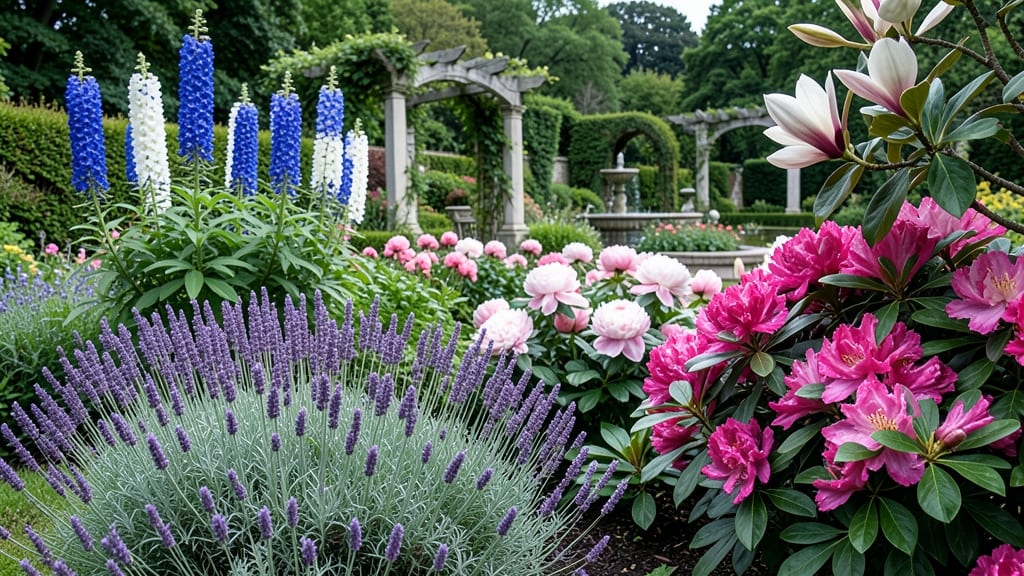
The Butchart Gardens in Victoria, BC, transform into breathtaking seasonal spectacles year-round, from spring's tulip explosions to winter's magical light displays, featuring legendary gardens like the Sunken Garden and Rose Garden that attract visitors worldwide. Timing your visit to align with seasonal peaks and guided tours unlocks the full experience.
The Butchart Gardens in Victoria, BC, are more than just a collection of plants—they're a living canvas that changes with each season. 🌸 During spring, the gardens burst with 20,000 tulips in vibrant hues, while summer transforms into a romantic rose garden with over 500 varieties.
What makes these displays so remarkable is the meticulous horticultural planning behind them, including soil preparation and climate-controlled greenhouses that extend the growing season. The gardens also host unique seasonal events like the Night Illuminations festival, where thousands of lights create a winter wonderland atmosphere.
Beyond the seasonal beauty, the gardens offer nine distinct themed gardens, each designed to showcase different horticultural techniques. The Sunken Garden, for example, features rare plants from around the world, while the Japanese Garden provides a serene escape with its koi ponds and traditional architecture.
Visitors can explore these areas at their own pace or join guided tours that reveal fascinating stories about the gardens' history and plant care.
The best time to visit depends on which season's displays you want to experience, with spring and summer attracting the most blooms and winter offering its magical light shows.
💡 In This Article
- Seasonal Blooms and Landscape Designs at Butchart Gardens
- Must-See Exhibits and Visitor Tips for Butchart Gardens
Seasonal blooms and landscape designs at Butchart gardens
The gardens' seasonal transformations begin with spring, when 20,000 tulips bloom in synchronized waves across 10 acres of landscaped beds. Horticulturists use a technique called "staggered planting" to extend the bloom period from April through May, ensuring continuous color.
Each tulip variety is planted at specific depths and spacings—typically 6-8 inches deep and 4-6 inches apart—to optimize sunlight exposure and prevent overcrowding. 🌷 The vibrant hues aren't just for show; they're carefully selected to create visual harmony while attracting pollinators like bees and butterflies.
Summer brings the Rose Garden, home to over 500 rose varieties that bloom from June to September. Unlike traditional rose gardens, Butchart's uses a "no-spray" approach, relying on companion planting with herbs like lavender and rosemary to naturally repel pests.
The garden's 1.5-acre size allows for microclimate variations—warmer sections near the greenhouse support heat-loving varieties like 'Knock Out' roses, while cooler areas near the water feature thrive with hybrid teas. Pruning occurs in three phases: initial shaping in early spring, mid-season deadheading to encourage reblooming, and final cleanup in fall.
Autumn transforms the gardens into a fiery palette, with maple trees (like the Japanese Bloodgood variety) turning brilliant red and ornamental grasses swaying in the coastal breeze.
The Sunken Garden's 30-foot-deep terraces showcase rare plants adapted to acidic soils, including rhododendrons and azaleas that bloom in late spring but maintain their foliage interest through fall.
What's less obvious is the 18-inch layer of peat moss used to maintain the acidic soil pH (around 4.5-5.5), crucial for these acid-loving species. 🍂 The gardens also introduce seasonal pumpkins and gourds, weighing up to 30 pounds each, that double as both decoration and pollinator attractants.
Winter's magic comes from the Night Illuminations festival, where 500,000 lights transform the gardens into a twinkling wonderland.
The lighting design uses LED technology with color temperatures ranging from 2700K (warm white) to 4000K (cool white) to create different moods—warmer lights near the greenhouse entrance, cooler tones in the Japanese Garden.
What's fascinating is how the lighting follows the natural contours of the landscape; for instance, 12-foot-tall light columns in the Sunken Garden align with the terraces to create dramatic shadows. The festival runs for 6 weeks (November through December), with nightly visits extending the experience beyond daylight hours.
Behind these seasonal transformations is a 20,000-square-foot greenhouse complex that operates year-round. Here, plants are propagated using hydroponic systems that maintain precise humidity levels (60-70%) and temperatures (70-75°F during propagation).
Rare species like the Victoria water lily (leaves up to 6 feet wide) are grown in 10-foot-deep ponds that replicate their natural swamp habitats. The greenhouse also serves as a nursery, where 500,000 plants are grown annually to replenish the gardens' displays. 🌱
What most visitors don't realize is how the gardens leverage Victoria's mild maritime climate (average winter lows of 34°F, summer highs of 70°F) to extend growing seasons. The coastal location provides 2,000 hours of sunlight annually, while ocean breezes naturally reduce pest pressure.
This climate allows for year-round blooms of camellias (winter), dahlias (summer), and chrysanthemums (fall), creating a continuous floral calendar that keeps the gardens vibrant in every season.