
Tools
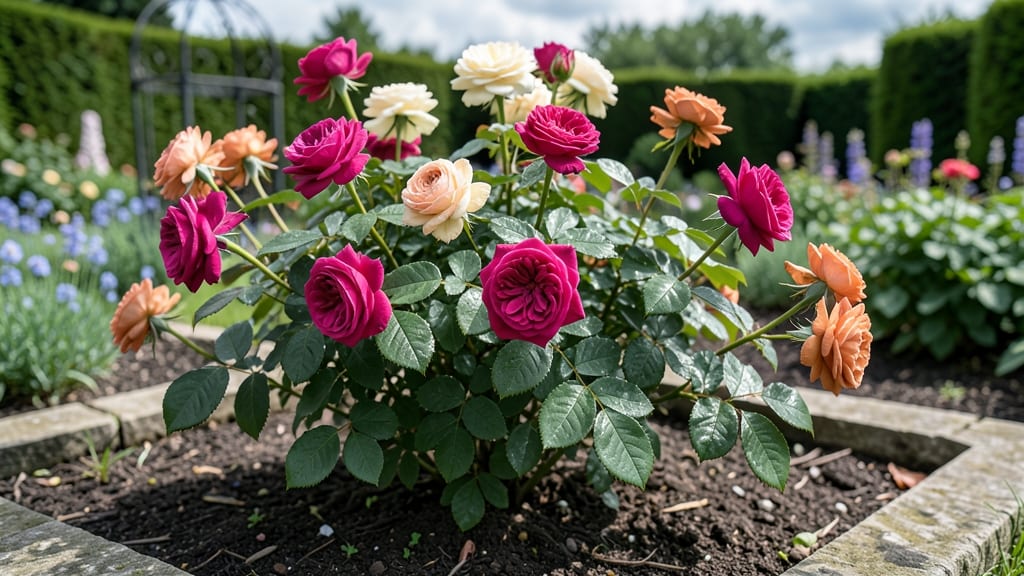
The Woodland Park Rose Garden at North 50th Street in Seattle, WA, offers free public access daily from dawn to dusk, featuring over 500 rose varieties in peak bloom from June through September, with seasonal highlights like the annual Rose Festival in June.
This iconic Seattle garden transforms from a quiet spring pre-show into a vibrant summer spectacle, where 500+ rose varieties create a fragrant canopy. 🌸 The Rose Festival in June brings special displays and educational workshops, while Seattle's mild climate ensures roses bloom longer than in many other regions.
I always recommend visiting on weekdays to avoid crowds—early mornings offer the best light for photos, and the garden's elevated location provides stunning city views.
Beyond the main paths, explore the heritage rose section and climbing varieties that frame the garden's arches. The nearby Woodland Park Zoo even incorporates rose bushes into its botanical exhibits, creating a seamless nature experience.
Pro tip: Check the garden's social media for last-minute updates on special events or extended hours during peak bloom season.
💡 In This Article
- Best Times to Visit Woodland Park Rose Garden
- Hidden Features and Gardening Tips for Rose Enthusiasts
Best times to visit woodland park rose garden
The garden's seasonal transformation begins in late May, when gardeners prepare the beds for peak bloom. This is when you'll notice the first delicate buds forming on hybrid teas and floribundas, varieties that dominate the main paths.
The real magic happens from June through September, when over 500 varieties reach their full glory, with some like 'Double Delight' producing 100+ blooms per stem during this window. 🌸
Seattle's mild maritime climate (USDA Zone 8) creates ideal conditions—cooler summers prevent heat stress, while winter rains provide consistent moisture. The garden's elevated location at 300 feet also means less humidity than downtown, reducing fungal diseases that can plague roses in hotter climates.
Visitors often ask why the roses bloom so late—it's because Seattle's long, cool springs delay early flowering, making the summer display more concentrated.
For photography, early mornings (6-9 AM) offer soft light and fewer crowds, while late afternoons (4-6 PM) create dramatic shadows. The Rose Festival in June adds special lighting displays that extend viewing until 9 PM during peak bloom.
I've noticed the garden's climbing roses (like 'New Dawn') perform best in morning light, while darker varieties (such as 'Black Baccara') photograph stunningly in golden hour.
Visitors often overlook the fall transition (October-November), when roses like 'September Song' provide late-season color. The garden staff actually prunes 50% of the plants in late fall to prepare for next year's bloom, which is why you'll see some beds looking sparse during winter.
This strategic pruning—combined with compost-rich soil (pH 6.0-6.5)—explains why the garden consistently outperforms similar Pacific Northwest collections.
Pro tip: The weekdays between 10 AM-2 PM offer the best balance of blooms and manageable crowds. I've timed visits during light rain showers—the garden's permeable pathways handle moisture well, and the droplets create beautiful macro photography opportunities with the dew-covered petals of varieties like 'Iceberg'.
Don't miss the educational signs placed near each section—they reveal the 1925 planting date of the original garden and how Seattle's first rose society (founded 1890) influenced the collection.
These historical markers explain why you'll find heirloom varieties like 'Souvenir de la Malmaison' alongside modern hybrids, creating a living timeline of rose breeding. 🌿